

Dealing with a stubborn cold or an irritating cough is something almost everyone goes through at some point. When the body feels heavy, the throat is scratchy, and the nose won’t stop running, it often becomes difficult to focus on daily tasks. While many people rush to over-the-counter medicines, Ayurveda offers a gentle, natural, and effective way to support the body. For centuries, people have relied on Ayurvedic Remedies for Cold and Cough to soothe symptoms using herbs and simple home preparations.
Ayurveda views illnesses differently from modern medicine. Instead of treating symptoms alone, it aims to balance the body so recovery becomes smooth and natural. Cold and cough usually arise from an imbalance in Kapha and sometimes Vata, causing congestion, heaviness, low appetite, chills, and dryness. The beauty of Ayurvedic Remedies for Cold and Cough is that they work with the body’s natural healing ability. These traditional remedies use everyday ingredients such as ginger, honey, turmeric, tulsi, cinnamon, and warm ghee.
These ingredients are not new discoveries. They have been used across generations, and many households still depend on them. The comfort of warm herbal teas, steam inhalation, and soothing mixtures can help one feel better without harsh chemicals. The best part is that these remedies are safe for most people and easy to prepare. Let’s explore how Ayurveda explains a cold and cough, and how you can use practical Ayurvedic Remedies for Cold and Cough right at home.
Understanding Cold and Cough Through Ayurveda
According to Ayurveda, cold and cough mainly develop when the body’s Kapha energy becomes excessive or stagnant. Kapha is connected with qualities such as heaviness, coldness, and moisture. When Kapha rises beyond a healthy level—often due to weather changes, cold foods, weak digestion, lack of rest, or exposure to viruses—the body reacts with mucus buildup, cough, blocked sinuses, and reduced energy.

Sometimes, Vata imbalance can also trigger a dry cough, especially if the environment is cold and dry. Ayurveda encourages restoring balance naturally with herbs, diet changes, and supportive routines. This is where Ayurvedic Remedies for Cold and Cough become highly useful because they calm the aggravated doshas while easing the symptoms.
Warmth, moisture, easy digestion, and gentle herbal support are the core principles behind managing these imbalances. When followed consistently, these Illuminate natural methods help reduce discomfort and bring quicker relief.
Most Effective Ayurvedic Herbs for Cold and Cough
Ayurveda offers a treasure of herbs that work beautifully to support respiratory health. Many of these are already in your kitchen or garden.
1. Ginger (Adrak)
Ginger is one of the most trusted herbs used in Ayurvedic Remedies for Cold and Cough. It warms the body, breaks down mucus, and strengthens digestion. Fresh ginger tea can ease throat irritation and relax the airways. A simple ginger decoction with black pepper and honey is a classic Ayurvedic preparation used in many homes.

2. Turmeric (Haldi)
Turmeric supports the respiratory system and promotes warmth in the body. Mixing turmeric with warm milk creates a calming drink that helps the throat and chest. This golden drink is often recommended at night for better sleep and faster recovery.
3. Tulsi (Holy Basil)
Tulsi works wonderfully for both cold and cough. It supports the lungs and offers comfort during episodes of sneezing or congestion. Tulsi leaves can be boiled with water, ginger, and cloves for a soothing Ayurvedic herbal tea that reduces heaviness.
4. Black Pepper
Black pepper helps open the sinuses and break down thick mucus. It is commonly used in Ayurvedic Remedies for Cold and Cough along with honey or in herbal teas.
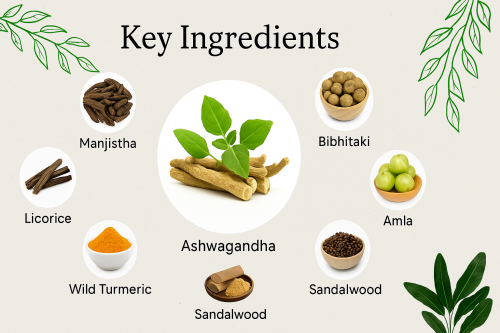
5. Liquorice (Mulethi)
Liquorice is sweet and cooling, making it ideal for a sore or scratchy throat. It also reduces dryness and helps calm persistent coughing.
6. Cinnamon (Dalchini)
Cinnamon generates warmth in the body and supports proper circulation. It helps improve breathing comfort when added to herbal teas.
7. Cloves
Cloves are powerful and warming. They help reduce throat discomfort, especially in productive cough.
These herbs, when combined in the right way, can offer quick comfort and support smooth breathing.
Top Ayurvedic Remedies for Cold and Cough
Below are some simple, safe, and time-tested Ayurvedic Remedies for Cold and Cough that you can easily prepare at home.
1. Ginger, Honey, and Black Pepper Mix
This remedy is a favourite in many households. Crush a small slice of ginger, mix it with a pinch of black pepper, and add a spoon of honey. This mixture offers warmth, melts mucus, and soothes the throat.
It is especially helpful when taken after meals. Honey should not be heated directly, so always add it to a warm—not hot—mixture.
2. Turmeric Milk Before Bed
Warm milk with turmeric is deeply calming. It helps the body relax and supports easier breathing. Drinking this golden milk at night keeps the throat moisturised and reduces nighttime coughing.
Many people find that taking this regularly for two or three days provides noticeable comfort.

3. Tulsi and Ginger Herbal Tea
Boil a handful of tulsi leaves with slices of ginger and a few cloves. This tea is one of the most effective Ayurvedic Remedies for Cold and Cough because it helps open the airways and reduces congestion. Sip it warm throughout the day.
4. Steam Inhalation with Eucalyptus or Mint
Steam inhalation gently loosens mucus from the nose and chest. Adding a few drops of eucalyptus or mint oil can enhance the effect. This helps reduce blocked sinuses and makes breathing easier.
Steam inhalation works well when done once or twice a day, especially before bedtime.
5. Saltwater Gargle
This age-old method works beautifully for sore throats. Warm saltwater helps reduce throat swelling and clears mucus. You can repeat gargling two or three times a day for the best results.
6. Mulethi Water
Boil a small piece of mulethi in water until the water turns slightly brown. Sip this warm drink to help soothe throat dryness and control persistent coughing.
Mulethi water is one of the gentlest Ayurvedic Remedies for Cold and Cough, making it suitable even for those with sensitive throats.

7. Cinnamon and Honey Warm Drink
Mix warm water with cinnamon powder and a spoon of honey. This drink calms the throat and helps reduce coughing fits. Many people prefer to take it in the morning or evening.
8. Warm Ghee on Roti or Rice
Warm ghee supports digestion and nourishes the body, especially during a cold. Many Ayurvedic practitioners recommend including a small amount of warm ghee in meals when feeling sick because it helps balance Vata and reduces dryness.
9. Ajwain Steam or Ajwain Poultice
Roasted ajwain (carom seeds) wrapped in a cloth can be inhaled gently to clear nasal passages. Alternatively, inhaling steam prepared with ajwain helps melt mucus faster.
10. Herbal Concoction (Kadha)
A kadha made with ginger, tulsi, black pepper, cinnamon, and cloves is one of the strongest Ayurvedic Remedies for Cold and Cough. It helps the body warm up, reduce heaviness, and clear congestion naturally.
Diet Tips to Support Recovery
Food plays a big role in how quickly the body recovers. When digestion is weak, the body cannot process heavy meals. Ayurveda recommends eating light, warm, and easily digestible foods during a cold and cough.
Here are some helpful tips:
1. Choose Warm Meals
Eat foods that are warm, soft, and easy to digest. Soups, khichdi, warm rice porridge, and light vegetables support the healing process.
2. Stay Away from Cold and Oily Foods
Cold beverages, ice creams, fried foods, and heavy sweets can increase Kapha and delay recovery. Avoid them until the body feels normal again.
3. Drink Enough Warm Liquids
Warm water, herbal teas, and clear broths keep the throat moist and support breathing. Staying hydrated also thins mucus.
4. Use Spices Wisely
Cardamom, ginger, cinnamon, and pepper help digestion and support the respiratory system. These spices play a big role in many Ayurvedic Remedies for Cold and Cough.
5. Avoid Dairy at Night
Milk can create heaviness if taken at the wrong time. If consuming milk, add turmeric or ginger and take it warm—not cold.

Helpful Lifestyle Practices During Cold and Cough
Ayurvedic wisdom extends beyond remedies. Small lifestyle adjustments help speed recovery and prevent symptoms from worsening.
1. Rest Properly
Rest allows the body to use its energy for healing instead of daily physical activities. Even short naps or quiet time can help you recover faster.
2. Stay Warm
Cover your chest, neck, and head when stepping out. Warmth prevents further imbalance of Kapha and Vata.
3. Keep Your Room Humid
Dry air can make coughing worse. Keeping a bowl of warm water in the room or using a humidifier helps maintain moisture in the air.
4. Avoid Going Out Early Morning or Late Evening
These times are naturally colder. Staying indoors reduces exposure to cold wind and keeps symptoms from getting worse.
5. Practice Light Breathing Exercises
entle breathing practices help improve airflow and calm the mind. Slow inhalation and exhalation are enough; avoid strong techniques when sick.
Why Ayurvedic Remedies Work So Well
Ayurvedic Remedies for Cold and Cough are effective because they support the natural processes of the body. They do not suppress symptoms forcefully; instead, they work by strengthening the respiratory system and balancing the doshas. Since these remedies use herbs and spices that are easy to digest, the body accepts them without strain.
The warmth generated by ginger, cinnamon, pepper, and tulsi helps break down mucus and improves circulation. Honey provides a soothing coating to the throat. Turmeric adds natural comfort to the airways. Together, these ingredients help the body return to balance.
Another reason these remedies are trusted is that they have been part of traditional routines for centuries. Many families pass these methods down through generations, and people continue to experience comfort even today.

Keynote Takeaway
Managing cold and cough does not always require strong medicines. The gentle strength of Ayurveda, combined with simple home practices, can offer great comfort. Ayurvedic Remedies for Cold and Cough make use of everyday herbs that work in harmony with the body. With warm food, rest, herbal teas, and proper care, recovery becomes smoother and quicker. These remedies not only ease symptoms but also support long-term respiratory wellness.
FAQs:
Yes, many people notice comfort within a day or two. Warm herbal teas, ginger, tulsi, and turmeric often give quick relief. Consistency matters, so using the remedies for a few days brings better results.
Most Ayurvedic home remedies are gentle and safe for daily use. However, if you have long-term health issues or allergies, it’s good to check with a healthcare expert before starting something new.
A warm tea made with ginger, tulsi, black pepper, and a little honey is one of the most comforting drinks. It helps open the airways and reduces heaviness.
Yes, steam inhalation softens mucus, clears blocked sinuses, and supports easy breathing. Adding eucalyptus or mint oil makes it even more effective.
Cold drinks, ice creams, fried foods, heavy sweets, and anything chilled should be avoided. They increase mucus and slow recovery.
Most remedies like warm ginger water, tulsi tea, and turmeric milk are safe for children in small amounts. Still, it’s better to start with mild doses and avoid strong spices for very young kids.
Most people feel better in three to five days with proper rest, warm liquids, and regular remedies. If symptoms continue for too long, it’s wise to get checked by a doctor.
Yes, honey naturally soothes the throat and reduces dryness. It works well when mixed with ginger or warm water.
Leave a Reply