

Feeling heavy, bloated, or uncomfortable after meals is something almost everyone experiences at some point. Sometimes it happens because of stress, sometimes because of food choices, and sometimes it feels like your system is simply moving slower than usual. This is where Yoga for Digestion becomes a quiet, gentle, and effective helper. Simple movements, mindful breathing, and light stretches can wake up your digestive system and bring relief in a natural way.
This practice does not require any special equipment, and you don’t need to be flexible. You only need a few minutes, a calm space, and a willingness to move with ease. When you follow these simple steps every day, you will slowly feel your belly becoming lighter and more relaxed. People often notice that their stress levels drop at the same time, which is helpful because stress and digestion are deeply connected.
In this guide, we will walk through the most helpful poses that support the digestive system, release trapped gas, reduce bloating, and keep things moving smoothly. Each pose can be done by beginners, and each one is gentle on the body. As long as you listen to yourself and move slowly, this can be a pleasant daily routine.
Why Yoga Helps With Digestion
When we talk about Yoga for Digestion, we are talking about a blend of movement, breath, and awareness. These three elements work together to relax the abdominal area and stimulate the organs inside.
Here are a few reasons why yoga is so effective:
1. Improved Blood Flow
Gentle twists, forward bends, and pressure around the abdominal area help increase circulation. Better blood flow encourages the digestive organs to work more efficiently.
2. Reduced Stress
The gut is very sensitive to stress. When you feel worried or tense, your digestion often slows. Breathing deeply and moving mindfully signals the nervous system to calm down. This calm energy helps the stomach and intestines work better.
3. Gentle Compression and Release
Many poses add mild pressure on the belly and then release it. This simple action can help move gas, reduce bloating, and support regular bowel movements.
4. Strengthening the Core
A steady core helps digestion too. When your core muscles are weak, your posture changes, and this can affect how your organs function. Light strengthening movements support healthy posture and freer movement inside the abdomen.
5. Helps Food Move Smoothly
Yoga movements gently stretch the stomach area and open the hips. This encourages the digestive system to work in a smoother rhythm.

Before You Start: Helpful Tips
Before trying Yoga for Digestion poses, keep these tips in mind:
- Wear loose, comfortable clothing.
- Allow at least one hour after eating a large meal.
- Move slowly and never force a pose.
- Breathe deeply through your nose.
- Stop if anything feels painful.
- Keep a bottle of water nearby.
A slow and steady pace always works better for digestion than fast, forceful movements.
Best Yoga Poses to Reduce Bloating
Below are effective yoga poses you can begin today. These movements are simple, calming, and gentle on all body types.
1. Wind-Relieving Pose (Pawanmuktasana)
This pose is often the first step in any Yoga for Digestion routine. It directly helps remove trapped gas and eases pressure in the abdomen.
How to do it:
- Lie on your back.
- Pull your right knee toward your chest.
- Hold your shin with both hands.
- Keep your left leg stretched out on the floor.
- Take long breaths and stay for 20–30 seconds.
- Switch legs and repeat.
- Finish by hugging both knees to your chest.
This simple movement helps your stomach relax and encourages movement inside the intestines.
2. Cat-Cow Flow (Marjaryasana–Bitilasana)
This gentle flow massages your belly and supports healthy motion in your digestive tract. It also warms up your spine.
Steps:
- Come onto your hands and knees.
- Inhale as you lift your head and drop your belly down.
- Exhale as you round your back and tuck your chin.
- Repeat this slow flow for one minute.
This movement creates a wave-like motion through the belly, which is wonderful for bloating relief.
3. Seated Forward Bend (Paschimottanasana)
This pose stretches the back, hips, and hamstrings while applying soft pressure on the stomach.
How to practice:
- Sit with your legs straight.
- Lift your arms and grow tall through the spine.
- Fold forward gently and reach toward your feet.
- Breathe deeply and relax your shoulders.
Seated forward bends are calming and supportive for the digestive system.
4. Half Lord of the Fishes Pose (Ardha Matsyendrasana)
Twisting poses are central in Yoga for Digestion. They squeeze the abdominal organs and then release them, which can stimulate digestion.
Instructions:
- Sit on the floor with legs extended.
- Bend your right knee and place your foot outside your left thigh.
- Twist gently to the right while keeping shoulders relaxed.
- Hold for a few breaths.
- Switch sides.
This twist is especially good for easing bloating that comes from slow digestion.
5. Cobra Pose (Bhujangasana)
Cobra stretches the belly area and helps improve posture.
Steps:
- Lie on your stomach.
- Place hands under your shoulders.
- Press gently into your hands as you lift your chest.
- Keep elbows close to your sides.
- Breathe slowly.
Cobra creates a soft stretch in the abdomen, which supports your digestive system.
6. Child’s Pose (Balasana)
Child’s Pose helps settle the body, ease stress, and provide comfort to the abdominal area.
How to do it:
- Sit on your knees.
- Lower your chest toward your thighs.
- Rest your forehead on the floor.
- Stay here for one minute.
This pose is often used between movements when practicing Yoga for Digestion, as it brings calmness to the belly.
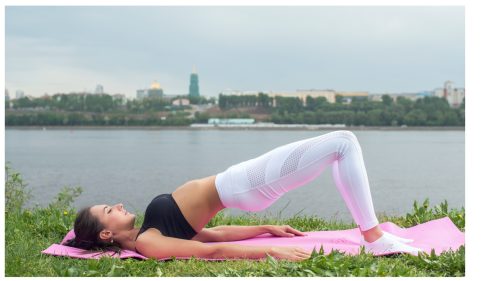
7. Bridge Pose (Setu Bandhasana)
This pose opens the chest and stretches the belly while strengthening the core.
Steps:
- Lie on your back with your knees bent.
- Lift your hips slowly.
- Keep your neck long.
- Stay for several breaths and lower down.
Bridge Pose helps restore energy in the stomach area.
8. Supine Spinal Twist (Supta Matsyendrasana)
This relaxing twist is a favorite for bloating relief.
How to do it:
- Lie on your back.
- Bring your right knee over your body to the left side.
- Stretch your right arm out.
- Breathe deeply.
- Switch sides.
This twist relaxes the lower belly and supports healthy digestion.
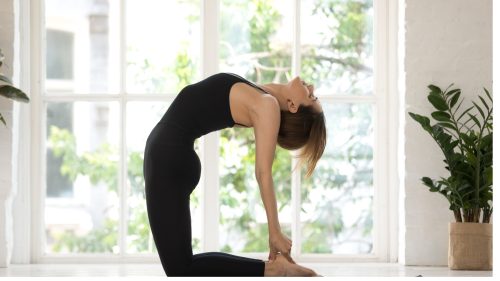
9. Camel Pose (Ustrasana)
Camel Pose stretches the front of the body deeply. It creates more space for breathing and digestion.
Steps:
- Kneel with your knees hip-width apart.
- Place your hands on your lower back or heels.
- Lean back gently while opening your chest.
- Breathe calmly.
Because this pose stretches the belly so well, it may feel energizing for digestion.
10. Legs Up the Wall (Viparita Karani)
This pose brings calmness to the body and helps improve circulation.
How to do it:
- Sit close to a wall.
- Lie on your back and stretch your legs up the wall.
- Keep arms relaxed by your sides.
- Hold for 3–5 minutes.
This is a restful ending pose for any Yoga for Digestion practice.

Breathing Techniques That Support Digestion
Breathing is just as important as movement. When you breathe deeply, your diaphragm moves up and down gently, giving your digestive organs a light massage.
1. Belly Breathing
Place one hand on your chest and one on your belly. Inhale so your belly rises, and exhale so it falls. This helps the nervous system relax.
2. Extended Exhale
Exhale longer than you inhale. This soothes stress and helps your digestive organs work without tension.
3. Ujjayi Breathing
A slow, soft ocean-like breath that warms the body and encourages a calm mind.
Using these breaths during Yoga for Digestion exercises increases the benefits and helps you feel lighter and more grounded.
Simple Daily Routine for a Happy Belly
Here is a short routine you can try anytime your stomach feels heavy or tight:
- Cat-Cow Flow – 1 minute
- Wind-Relieving Pose – 30 seconds each side
- Seated Forward Bend – 1 minute
- Supine Spinal Twist – 30 seconds each side
- Child’s Pose – 1 minute
- Legs Up the Wall – 3 minutes
This daily routine uses gentle movements that support the digestive system. Many people feel relief in just a few minutes, especially when they practice regularly.
Healthy Habits That Improve Digestion Naturally
While Yoga for Digestion is powerful on its own, everyday habits also influence how your stomach feels.
Eat slowly.
Your stomach works better when you chew well and enjoy your food calmly.
Drink enough water.
Hydration helps prevent bloating and constipation.
Manage stress.
Gentle breathing, walking, or short breaks during the day can help.
Avoid lying down immediately after meals.
This gives your body time to digest.
Choose foods that feel good for you.
Everyone’s body is different. Pay attention to what makes you feel light and comfortable.
When these small habits come together with Yoga for Digestion, you create a supportive environment for your gut to function smoothly.

Final Thoughts
Digestive discomfort can interrupt your day, change your mood, and make you feel tired. The good news is that a gentle, natural, and calming practice is always available to you. When you use Yoga for Digestion regularly, your body responds with more ease, more comfort, and more balance. The movements are simple, the breathing is peaceful, and the results grow over time. You can use these poses anytime you feel bloated or heavy, or simply include them in your daily routine to maintain a health and comfortable digestive system.
FAQs:
You can practice it every day. Even ten minutes of gentle movement can help your stomach feel lighter and calmer. Many people like doing it in the morning or after work.
Yes. The poses are simple and gentle. Move slowly, breathe deeply, and stop if anything feels uncomfortable.
Most people feel relief within a few minutes, especially with poses like Wind-Relieving Pose or Cat-Cow Flow. Long-term improvement comes with regular practice.
Yes. Many poses gently press and release the belly, which helps move trapped gas and reduce bloating.
It’s best to wait at least one hour after a big meal. Light movements are fine, but deeper twists feel better when your stomach is not very full.
Absolutely. Slow belly breathing relaxes the nervous system and allows the digestive organs to work more smoothly.
Yes. Stress affects the gut directly. Gentle yoga lowers stress, which often reduces discomfort and bloating.
No. A simple mat or soft surface is enough. You can even practice some poses on your bed.
Leave a Reply