

India experiences multiple weather conditions throughout the year. While summers are hot and humid, winters can become extremely dry in many regions. Additionally, pollution, dust, sweat, and strong UV rays continuously affect the skin. Therefore, choosing the right skincare ingredients becomes essential for maintaining healthy and glowing skin.
Many people buy skincare products based on trends. However, not every ingredient suits Indian weather conditions. Instead, skincare should focus on hydration, oil control, barrier protection, and sun damage repair. Moreover, Indian skin often deals with pigmentation, tanning, acne, and dehydration at the same time.
In this detailed guide, you will learn about the best skincare ingredients for Indian weather. Furthermore, you will understand how these ingredients benefit different skin types and how to use them effectively in your routine.
Why Indian Weather Needs Special Skincare
Indian weather changes drastically from one season to another. Consequently, your skin reacts differently throughout the year.
For example:
- Summer increases sweating and oil production.
- Monsoon causes clogged pores and fungal infections.
- Winter leads to dryness and flaky skin.
- Pollution weakens the skin barrier daily.
Because of these factors, using climate-friendly skincare ingredients is extremely important. In addition, lightweight yet nourishing ingredients usually work better for Indian skin conditions.
Common Skin Problems in Indian Climate
Before selecting skincare ingredients, it is important to understand the most common skin concerns in India.
Excess Oil Production
Due to heat and humidity, many people experience oily skin and frequent acne breakouts. As a result, pores become clogged easily.
Hyperpigmentation and Tanning
Strong sunlight often causes uneven skin tone and stubborn pigmentation. Therefore, brightening ingredients become very important.
Dehydration
Even oily skin can lose water because of excessive sweating. Consequently, skin may appear dull and tired.
Sensitivity from Pollution
Dust and pollution damage the skin barrier over time. Moreover, they increase irritation and premature aging.
Dry and Flaky Skin During Winters
In colder regions, the skin loses moisture quickly. Thus, barrier-repair ingredients become necessary.
Aloe Vera – Best Cooling Ingredient for Indian Summers
Why Aloe Vera Works So Well
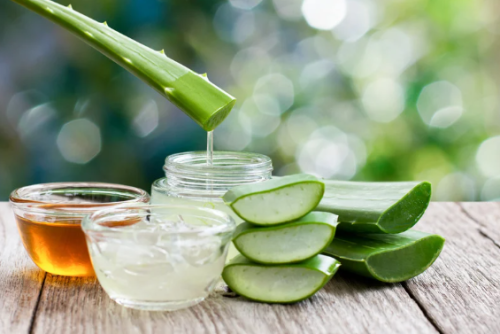
Aloe vera is one of the most effective ingredients for Indian weather. Since it contains high water content, it hydrates the skin without making it greasy. Additionally, it provides instant cooling and soothing benefits.
During hot summers, aloe vera helps calm sunburn, redness, and irritation naturally.
Benefits of Aloe Vera
- Hydrates skin deeply
- Soothes irritation
- Reduces inflammation
- Helps calm acne
- Provides cooling effect
- Supports skin healing

Best Skin Types for Aloe Vera
Aloe vera is suitable for:
- Oily skin
- Combination skin
- Sensitive skin
- Acne-prone skin
Furthermore, people with irritated or sunburned skin can benefit greatly from aloe vera gel.
How to Use Aloe Vera
You can include aloe vera in your routine through:
- Gel moisturizers
- Face masks
- After-sun gels
- Face mists
For better results, apply aloe vera gel after cleansing your face. Additionally, storing it in the refrigerator gives extra cooling benefits.
Niacinamide – Perfect for Oil Control and Brightening
What is Niacinamide?
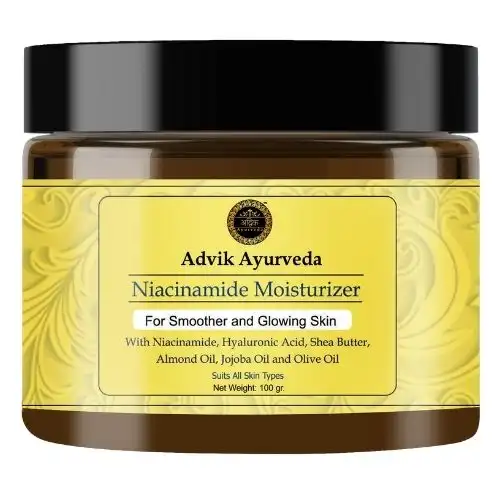
Niacinamide is a form of Vitamin B3 that helps strengthen the skin barrier. Moreover, it regulates oil production and improves overall skin texture.
Because Indian weather often causes oily skin and enlarged pores, niacinamide has become extremely popular.
Benefits of Niacinamide
- Controls excess oil
- Minimizes pores
- Reduces acne marks
- Brightens dull skin
- Improves skin texture
- Strengthens skin barrier
Why Niacinamide is Ideal for Indian Skin
Indian skin is more prone to pigmentation and post-acne marks. Therefore, niacinamide helps achieve a brighter and more even complexion gently.
Additionally, it works well in both humid and dry weather conditions.
How to Use Niacinamide
Use a serum containing 5% to 10% niacinamide after cleansing and before moisturizing. However, beginners should start with lower concentrations to avoid irritation.

Hyaluronic Acid – Lightweight Yet Powerful Hydration
Why Hydration Matters in Indian Climate
Many people believe oily skin does not need hydration. However, dehydration can affect every skin type, especially during hot weather.
Therefore, hyaluronic acid becomes an essential skincare ingredient.
Benefits of Hyaluronic Acid
- Retains moisture effectively
- Makes skin soft and plump
- Improves elasticity
- Reduces dryness
- Gives healthy glow

Why It Works Well in Humid Weather
Unlike heavy creams, hyaluronic acid provides lightweight hydration. Consequently, it does not clog pores or feel sticky on the skin.
Moreover, it layers well with other skincare products.
Best Way to Apply Hyaluronic Acid
Always apply hyaluronic acid on damp skin. Afterward, seal it with a moisturizer to lock hydration properly.
Turmeric – Traditional Indian Skincare Hero
Importance of Turmeric in Ayurveda
Turmeric has been used in Indian households for centuries. Since it contains curcumin, it offers strong antibacterial and anti-inflammatory properties.
Even today, turmeric remains one of the most trusted Ayurvedic skincare ingredients.
Benefits of Turmeric
- Brightens skin naturally
- Reduces acne
- Helps fade pigmentation
- Improves skin glow
- Fights bacteria
- Calms inflammation

Why Turmeric is Perfect for Indian Weather
Because Indian summers often cause tanning and dullness, turmeric helps restore brightness naturally. Additionally, it works well for uneven skin tone.
How to Use Turmeric Safely
You can use turmeric in:
- Face packs
- Ubtans
- Cleansers
- Spot treatments
However, avoid excessive use because too much turmeric may temporarily stain the skin.
Green Tea – Protection Against Pollution and Acne
Why Green Tea is Beneficial
Indian cities experience high pollution levels. Consequently, the skin faces oxidative stress daily.
Green tea contains antioxidants that help protect the skin from environmental damage.
Benefits of Green Tea
- Controls excess oil
- Reduces acne inflammation
- Protects against pollution
- Calms sensitive skin
- Prevents premature aging

Best Skin Types for Green Tea
Green tea works especially well for:
- Oily skin
- Acne-prone skin
- Sensitive skin
Furthermore, it helps refresh tired and dull-looking skin.
Ways to Use Green Tea
You can include green tea through:
- Face mists
- Toners
- Clay masks
- Serums
Additionally, chilled green tea bags can reduce under-eye puffiness.
Vitamin C – Best Ingredient for Glowing Skin
Why Vitamin C is Important
Strong sunlight often causes tanning and pigmentation in Indian skin. Therefore, Vitamin C becomes essential for repairing sun damage and improving radiance.
Benefits of Vitamin C
- Brightens dull skin
- Fades dark spots
- Boosts collagen production
- Protects against free radicals
- Improves uneven skin tone

Why Vitamin C Suits Indian Weather
Vitamin C works effectively against pollution and UV damage. Moreover, it helps maintain youthful and healthy-looking skin.
How to Use Vitamin C
Apply Vitamin C serum in the morning before sunscreen. Additionally, using sunscreen afterward improves protection against sun damage.
Rice Water – Gentle and Effective for Daily Use
Why Rice Water is Trending Again
Rice water has been used in traditional Asian skincare for generations. Since it contains vitamins and amino acids, it nourishes the skin gently.
Moreover, it suits humid Indian weather very well.
Benefits of Rice Water
- Brightens skin tone
- Controls oil
- Tightens pores
- Improves texture
- Soothes irritation

Best Skin Types for Rice Water
Rice water is especially beneficial for:
- Combination skin
- Oily skin
- Sensitive skin
How to Use Rice Water
You can use rice water as:
- Toner
- Facial mist
- DIY face rinse
Additionally, regular use may help improve skin smoothness over time.
Ceramides – Essential for Skin Barrier Repair
Why Skin Barrier Health Matters
Pollution, harsh cleansers, and changing weather conditions can damage the skin barrier. As a result, the skin becomes sensitive and dehydrated.
Ceramides help repair and strengthen the skin barrier effectively.
Benefits of Ceramides
- Prevent moisture loss
- Repair damaged skin
- Improve hydration
- Reduce sensitivity
- Strengthen skin barrier
Why Ceramides are Great for Indian Weather
Although summers require lightweight products, winters demand deeper nourishment. Therefore, ceramides work perfectly throughout the year.
Best Products with Ceramides
Choose:
- Barrier repair creams
- Moisturizers
- Night creams
Furthermore, ceramides pair well with hyaluronic acid and niacinamide.
Cucumber – Natural Cooling Ingredient
Why Cucumber is Popular in Summer
Cucumber contains high water content and antioxidants. Therefore, it instantly refreshes tired and overheated skin.
Benefits of Cucumber
- Hydrates skin naturally
- Reduces puffiness
- Soothes sunburn
- Refreshes dull skin
- Calms irritation
How to Use Cucumber
Cucumber can be used in:
- Face masks
- Toners
- Under-eye gels
- Cooling face mists
Additionally, chilled cucumber slices help reduce eye fatigue quickly.
Centella Asiatica – Best Ingredient for Sensitive Skin
What is Centella Asiatica?
Centella Asiatica, also known as Cica, is a medicinal herb widely used in Korean and Ayurvedic skincare. Since Indian weather often damages the skin barrier, Centella helps calm irritation and redness effectively.
Additionally, it supports faster skin healing.
Benefits of Centella Asiatica
- Soothes irritated skin
- Reduces redness
- Repairs damaged skin barrier
- Helps heal acne marks
- Provides lightweight hydration
Why It Works in Indian Weather
Hot temperatures, pollution, and excessive sun exposure can make the skin sensitive. Therefore, Centella becomes an excellent ingredient for calming stressed skin.
Moreover, it feels lightweight and non-greasy, which makes it suitable for humid climates.
Best Ways to Use It
Look for:
- Cica creams
- Barrier repair moisturizers
- Serums
- Gel-based calming masks
For best results, use Centella products during summer and monsoon seasons.
Salicylic Acid – Best Ingredient for Acne and Oily Skin
Why Acne Increases in Indian Climate
Heat and humidity increase sweat and oil production. Consequently, pores become clogged, leading to acne and blackheads.
Salicylic acid helps solve these issues effectively.
Benefits of Salicylic Acid
- Deep cleans pores
- Reduces acne breakouts
- Removes excess oil
- Controls blackheads
- Improves skin texture
Why Salicylic Acid is Ideal for Indian Summers
Since salicylic acid is oil-soluble, it penetrates deep into pores and removes excess sebum. Therefore, it works perfectly for oily and acne-prone skin in humid weather.
How to Use Salicylic Acid
You can use it in:
- Face cleansers
- Serums
- Spot treatments
- Exfoliating toners
However, avoid overusing it because excessive exfoliation can damage the skin barrier.
Squalane – Lightweight Moisture for All Seasons
What Makes Squalane Special?
Squalane is a lightweight moisturizing ingredient that mimics natural skin oils. Unlike heavy oils, it hydrates without making the skin greasy.
Therefore, it is perfect for Indian weather conditions.
Benefits of Squalane
- Locks in moisture
- Softens skin
- Strengthens skin barrier
- Reduces dryness
- Feels lightweight on skin
Why Squalane Works in Humid Climate
Many moisturizers feel sticky in Indian summers. However, squalane absorbs quickly and provides balanced hydration.
Additionally, it suits both oily and dry skin types.
Best Way to Use Squalane
Apply a few drops after serum and before sunscreen or night cream.
Furthermore, it pairs well with hyaluronic acid and ceramides.
Multani Mitti – Traditional Clay for Oil Control
Why Multani Mitti is Popular in India
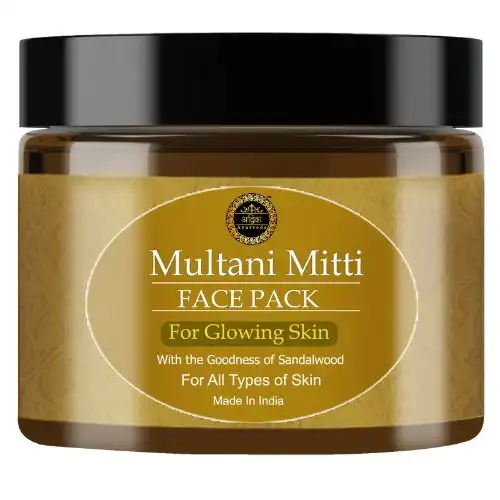
Multani Mitti, also known as Fuller’s Earth, has been used in Indian skincare for generations. Since it absorbs excess oil, it is especially useful during summer.
Benefits of Multani Mitti
- Controls excess oil
- Cleans clogged pores
- Removes dirt and impurities
- Refreshes skin
- Helps reduce acne
Why It Suits Indian Weather
Hot and humid conditions often make the skin greasy. Therefore, Multani Mitti helps keep the skin fresh and matte naturally.
How to Use Multani Mitti
You can mix it with:
- Rose water
- Aloe vera gel
- Curd
- Sandalwood powder
However, avoid using it daily because it may over-dry the skin.
Rose Water – Natural Skin Refresher
Why Rose Water is Essential
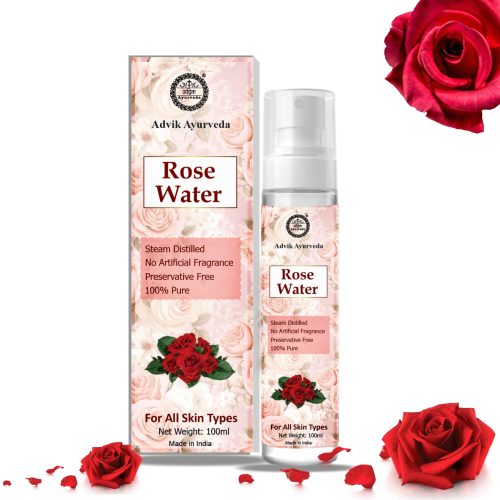
Rose water is one of the most versatile skincare ingredients for Indian weather. Since it hydrates and refreshes the skin instantly, it works wonderfully during hot summers.
Additionally, it helps balance the skin’s pH level.
Benefits of Rose Water
- Refreshes tired skin
- Provides light hydration
- Soothes irritation
- Helps tighten pores
- Reduces redness
Why It Works in Indian Climate
Because Indian summers are extremely hot, rose water gives immediate cooling relief. Moreover, it works well for all skin types.
How to Use Rose Water
You can use rose water as:
- Facial mist
- Toner
- Face pack ingredient
Furthermore, keeping it refrigerated provides extra freshness.
Licorice Root – Best Ingredient for Pigmentation
Why Pigmentation is Common in India
Strong sun exposure often causes tanning and dark spots. Consequently, pigmentation becomes a major skincare concern.
Licorice root helps brighten the skin naturally.
Benefits of Licorice Root
- Reduces pigmentation
- Brightens uneven skin tone
- Soothes inflammation
- Improves skin clarity
- Helps fade acne marks
Why It is Good for Indian Skin
Licorice root works gently without causing irritation. Therefore, it suits Indian skin tones that are prone to hyperpigmentation.
Best Products with Licorice Root
Choose:
- Brightening serums
- Spot correctors
- Night creams
Additionally, combining it with niacinamide gives better brightening results.
Oatmeal – Gentle Ingredient for Dry and Sensitive Skin
Why Oatmeal is Effective
Oatmeal contains soothing compounds that calm irritated skin. Therefore, it is especially useful during winter and for sensitive skin conditions.
Benefits of Oatmeal
- Relieves dryness
- Soothes itching
- Repairs skin barrier
- Reduces irritation
- Softens rough skin

Why Oatmeal Works in Indian Winters
Cold weather often makes the skin flaky and rough. Consequently, oatmeal helps restore softness and comfort.
How to Use Oatmeal
You can use oatmeal in:
- Face masks
- Cleansers
- Bath powders
- Soothing creams
Furthermore, colloidal oatmeal products work exceptionally well for eczema-prone skin.
Tea Tree Oil – Natural Acne Fighter
Why Tea Tree Oil is Popular
Tea tree oil is known for its antibacterial properties. Since acne-causing bacteria thrive in humid weather, tea tree oil helps keep breakouts under control.
Benefits of Tea Tree Oil
- Reduces pimples
- Controls acne bacteria
- Minimizes redness
- Helps dry active acne
- Refreshes oily skin
Best Skin Types for Tea Tree Oil
Tea tree oil works best for:
- Oily skin
- Acne-prone skin
- Combination skin
How to Use Tea Tree Oil Safely
Always dilute tea tree oil before applying it directly to the skin. Additionally, avoid excessive use because it may cause dryness.
Shea Butter – Deep Nourishment for Dry Weather
Why Shea Butter is Important
Although lightweight skincare works best in summer, winters require deeper nourishment. Shea butter provides intense hydration and protects the skin from dryness.
Benefits of Shea Butter
- Deeply moisturizes skin
- Repairs dry patches
- Strengthens skin barrier
- Prevents moisture loss
- Softens rough skin
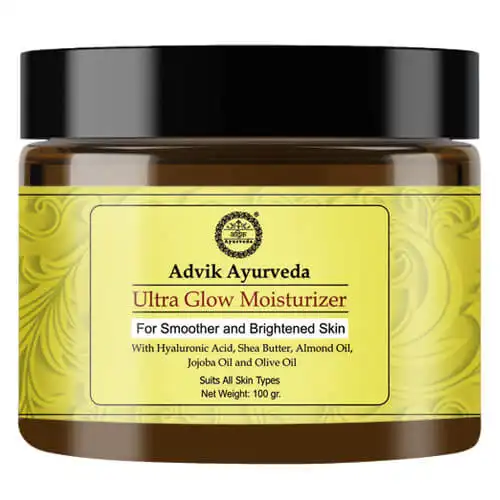
Why It Works During Indian Winters
Cold air and indoor heating often dry out the skin. Therefore, shea butter helps maintain long-lasting moisture.
Best Ways to Use Shea Butter
Choose:
- Body butters
- Winter creams
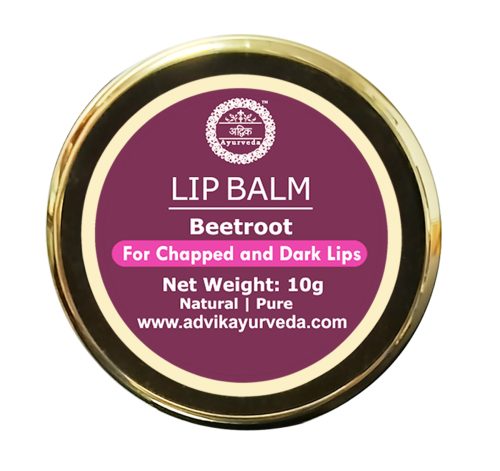
- Lip balms
- Hand creams
However, people with oily skin should use it carefully on the face.
Sunscreen Filters – Most Important Protection Step
Why Sunscreen is Essential in India
India receives strong sunlight throughout the year. Consequently, UV damage, tanning, pigmentation, and premature aging become common problems.
Therefore, sunscreen is not optional.
Benefits of Sunscreen
- Prevents tanning
- Protects against UV damage
- Reduces pigmentation
- Prevents premature aging
- Maintains even skin tone

Best Sunscreen Ingredients
Look for:
- Zinc Oxide
- Titanium Dioxide
- Tinosorb S
- Uvinul A Plus
These filters provide broad-spectrum protection.
How to Use Sunscreen Properly
- Apply sunscreen every morning
- Reapply every 2–3 hours outdoors
- Use SPF 30 or higher
Additionally, sunscreen should be used even during cloudy weather.
Final Thoughts
Indian weather can be challenging for the skin because of heat, humidity, pollution, seasonal dryness, and strong sunlight. Therefore, using the right skincare ingredients is essential for maintaining healthy and glowing skin throughout the year.
Ingredients like Centella Asiatica, salicylic acid, squalane, Multani Mitti, rose water, licorice root, oatmeal, tea tree oil, shea butter, and sunscreen filters help target different skin concerns effectively.
Moreover, understanding your skin type and seasonal needs allows you to choose products more wisely. Instead of following every skincare trend, focus on ingredients that truly support your skin in Indian weather conditions.
With the right skincare routine and suitable ingredients, you can achieve balanced, healthy, and radiant skin naturally.

FAQs:
The best skincare ingredients for Indian weather include aloe vera, niacinamide, hyaluronic acid, Vitamin C, turmeric, ceramides, and salicylic acid because they help with hydration, tanning, acne, and pollution damage.
Yes, hyaluronic acid works well in humid Indian weather because it provides lightweight hydration without making the skin oily or greasy.
Salicylic acid is one of the best ingredients for acne-prone skin during Indian summers because it deeply cleans pores and controls excess oil production.
Yes, Vitamin C helps reduce tanning, dark spots, and uneven skin tone while also protecting the skin from sun damage and pollution.
Sunscreen is essential in Indian weather because strong UV rays can cause tanning, pigmentation, premature aging, and skin damage throughout the year.
Leave a Reply