
Healthy skin needs care both morning and night. However, many people still wonder which skincare routine matters more. Some people focus only on daytime protection, while others invest heavily in nighttime repair products. In reality, both routines serve different purposes. Therefore, understanding how they work can help you achieve healthier and glowing skin.
During the day, your skin faces pollution, dust, sweat, UV rays, and environmental stress. Consequently, your morning skincare routine should focus on protection and hydration. At night, your skin enters repair mode. As a result, nighttime skincare should focus on recovery, nourishment, and skin renewal.
A balanced skincare routine not only improves your appearance but also supports long-term skin health. Moreover, consistent skincare can reduce dryness, acne, pigmentation, and early signs of aging.
In this detailed guide, you will learn:
- The importance of morning skincare
- Why nighttime skincare matters
- Key differences between the two routines
- Essential skincare steps
- Product recommendations by skin type
- Common mistakes to avoid
Why Morning and Night Skincare Are Different
Your skin behaves differently throughout the day. During daylight hours, it acts like a protective shield. Meanwhile, at night, it focuses on healing and regeneration.
Because of these natural skin cycles, your skincare products should also change according to the time of day.
Daytime Skin Functions
During the day, your skin:
- Produces oil and sweat
- Faces UV damage
- Encounters pollution and dirt
- Loses moisture
- Experiences oxidative stress
Therefore, morning skincare should mainly protect and hydrate the skin.
Nighttime Skin Functions
At night, your skin:
- Repairs damaged cells
- Builds collagen
- Improves blood circulation
- Recovers moisture balance
- Regenerates faster
As a result, nighttime skincare should focus on nourishment and repair.
Understanding the Purpose of Morning Skincare
A morning skincare routine prepares your skin for the day ahead. Additionally, it creates a protective barrier against harmful environmental factors.
Without proper daytime skincare, your skin may become dull, dehydrated, oily, or damaged over time.
Main Goals of a Morning Routine
A proper morning skincare routine helps:
- Protect against UV rays
- Prevent pollution damage
- Maintain hydration
- Control excess oil
- Prepare skin for makeup
- Reduce environmental stress
Although some people skip morning skincare, this habit can weaken the skin barrier over time.
Essential Steps in a Morning Skincare Routine
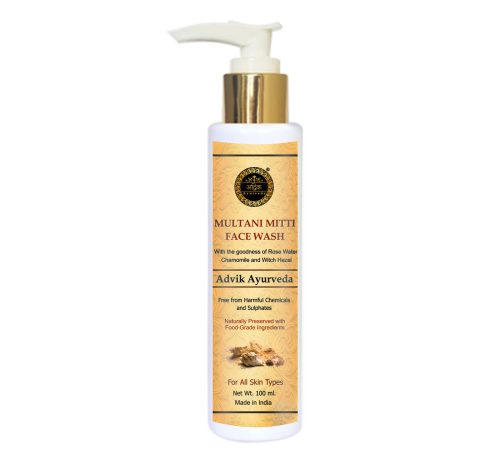
Gentle Cleansing
Cleansing is the first and most important step in the morning. Overnight, your skin collects oil, sweat, and bacteria. Therefore, cleansing helps refresh your face and remove impurities.
However, harsh cleansers can strip natural oils from the skin. Consequently, you should always use a gentle face wash.

Best Cleansers for Different Skin Types
Oily Skin
People with oily skin should choose:
- Gel cleansers
- Foaming face washes
- Salicylic acid cleansers
These products help remove excess oil effectively.
Dry Skin
Dry skin benefits from:
- Cream cleansers
- Milk cleansers
- Hydrating face washes
These cleansers maintain moisture while cleaning the skin gently.

Sensitive Skin
Sensitive skin requires:
- Fragrance-free cleansers
- Sulfate-free formulas
- Soothing ingredients like aloe vera
This helps prevent irritation and redness.
Combination Skin
Combination skin needs balanced cleansers that clean oily areas without drying other parts of the face.
Toner
After cleansing, toner helps rebalance the skin. In addition, it prepares the skin for better absorption of serums and moisturizers.
Modern toners are much gentler than older alcohol-based formulas. Therefore, they can provide hydration without causing dryness.
Benefits of Morning Toner
A toner can:
- Refresh tired skin
- Add lightweight hydration
- Balance oil production
- Improve product absorption
- Calm irritated skin
Hydrating ingredients like rose water, glycerin, and cucumber extract work especially well in morning toners.

Antioxidant Serum
Serums are highly concentrated skincare products. In the morning, antioxidant serums protect the skin from environmental damage.
Because pollution and UV exposure create free radicals, antioxidant protection becomes extremely important.
Vitamin C Serum
Vitamin C is one of the most popular morning skincare ingredients.
Benefits of Vitamin C
Vitamin C helps:
- Brighten dull skin
- Reduce pigmentation
- Improve uneven skin tone
- Support collagen production
- Protect against free radicals
Moreover, Vitamin C works even better when paired with sunscreen.

Niacinamide Serum
Niacinamide is another excellent morning ingredient.
Benefits of Niacinamide
Niacinamide can:
- Reduce oiliness
- Minimize pores
- Calm redness
- Strengthen the skin barrier
- Improve skin texture
As a result, it works well for oily, acne-prone, and sensitive skin.

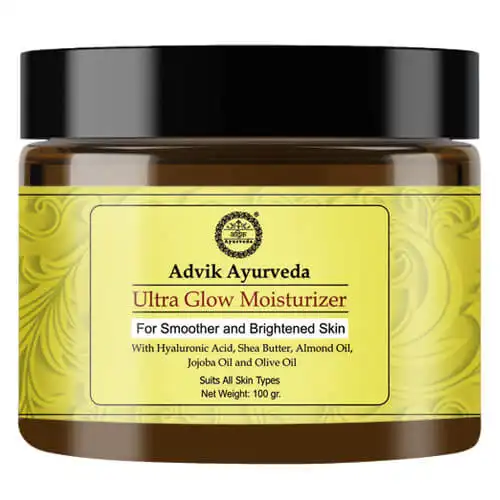
Moisturizer
Many people believe oily skin does not need moisturizer. However, this is a common misconception. In reality, all skin types need hydration.
Without proper moisture, the skin barrier becomes weak. Consequently, your skin may produce even more oil.
Benefits of Morning Moisturizer
A moisturizer helps:
- Prevent dehydration
- Keep skin soft
- Reduce dryness
- Protect the skin barrier
- Improve makeup application
Furthermore, hydrated skin usually looks healthier and smoother.
Choosing the Right Moisturizer
For Oily Skin
Use lightweight gel-based moisturizers.
For Dry Skin
Choose rich cream-based formulas.
For Acne-Prone Skin
Select non-comedogenic moisturizers.
For Sensitive Skin
Look for fragrance-free and calming ingredients.
Sunscreen
Sunscreen is the most important step in any morning skincare routine. Even if you use expensive serums, skipping sunscreen can damage your skin.
Therefore, daily sun protection is essential.
Why Sunscreen Matters
UV rays can:
- Cause premature aging
- Trigger pigmentation
- Damage collagen
- Create fine lines
- Increase skin cancer risk
Additionally, UV exposure can worsen acne marks and uneven skin tone.
How to Choose Sunscreen
A good sunscreen should:
- Have SPF 30 or higher
- Offer broad-spectrum protection
- Feel lightweight on the skin
- Match your skin type
Common Sunscreen Mistakes
Many people:
- Apply too little sunscreen
- Forget reapplication
- Skip sunscreen indoors
- Ignore the neck and ears
As a result, their skin remains vulnerable to sun damage.

Benefits of a Consistent Morning Skincare Routine
A proper morning routine offers both immediate and long-term benefits.
Short-Term Benefits
Morning skincare can:
- Refresh your face
- Improve hydration
- Reduce oiliness
- Brighten dull skin
- Help makeup last longer
Long-Term Benefits
Over time, consistent morning skincare may:
- Slow signs of aging
- Prevent sun damage
- Improve skin texture
- Reduce pigmentation
- Strengthen the skin barrier
Therefore, consistency matters more than using too many products.
Understanding the Purpose of Night Skincare
Nighttime skincare focuses on repair and recovery. While you sleep, your skin naturally renews itself. Consequently, nighttime is the best time to use treatment products.
Because the skin absorbs products more effectively at night, active ingredients often work better during this time.
Main Goals of Night Skincare
A nighttime routine helps:
- Repair skin damage
- Restore hydration
- Reduce acne
- Improve skin texture
- Support collagen production
- Strengthen the skin barrier
Unlike morning products, nighttime products are usually richer and more nourishing.

Essential Steps in a Night Skincare Routine
Double Cleansing
At night, your skin accumulates sunscreen, dirt, oil, pollution, and makeup. Therefore, proper cleansing becomes extremely important.
What Is Double Cleansing?
Double cleansing involves:
- Oil-based cleanser
- Water-based cleanser
The first cleanser removes makeup and sunscreen. Meanwhile, the second cleanser removes sweat, dirt, and remaining impurities.
Benefits of Double Cleansing
This method helps:
- Prevent clogged pores
- Reduce acne breakouts
- Remove stubborn makeup
- Clean skin deeply
- Improve product absorption
As a result, your skin feels cleaner and healthier.
Exfoliation
Exfoliation removes dead skin cells from the skin surface. Consequently, it improves texture and brightness.
However, over-exfoliating can damage the skin barrier. Therefore, moderation is important.
Types of Exfoliation
Physical Exfoliation
Physical exfoliants include:
- Face scrubs
- Cleansing brushes
- Exfoliating powders
These physically remove dead skin cells.
Chemical Exfoliation
Chemical exfoliants include:
- AHAs
- BHAs
- PHAs
These ingredients dissolve dead skin cells gently.
Benefits of Exfoliation
Regular exfoliation may:
- Brighten the skin
- Improve texture
- Reduce clogged pores
- Minimize dullness
- Help skincare absorb better
Generally, exfoliating two or three times weekly is enough.
Treatment Serums
Nighttime is ideal for stronger skincare ingredients because the skin is in repair mode.
Retinol
Retinol is one of the most effective anti-aging ingredients.
Benefits of Retinol
Retinol can:
- Reduce fine lines
- Improve skin texture
- Boost collagen
- Help acne
- Fade dark spots
However, beginners should use retinol slowly to avoid irritation.

Hyaluronic Acid
Hyaluronic acid deeply hydrates the skin overnight.
Benefits
It helps:
- Reduce dryness
- Improve softness
- Plump the skin
- Support the skin barrier
Peptides
Peptides support skin repair and elasticity.
Benefits
Peptides may:
- Improve firmness
- Reduce wrinkles
- Strengthen the skin barrier
- Enhance skin smoothness

Night Cream or Moisturizer
Night creams are richer than daytime moisturizers. Therefore, they help restore moisture while you sleep.

Benefits of Night Creams
Night moisturizers:
- Prevent overnight dryness
- Support skin repair
- Restore softness
- Improve hydration
- Reduce flakiness
Ingredients like ceramides, glycerin, and shea butter are especially beneficial at night.
Eye Cream
The skin around the eyes is delicate. Consequently, it often shows signs of aging first.
Benefits of Eye Creams
Eye creams help:
- Reduce puffiness
- Minimize dark circles
- Improve hydration
- Smooth fine lines
Additionally, nighttime eye care can help tired eyes look fresher in the morning.

What Happens to Your Skin While You Sleep?
Your body repairs itself during sleep. Similarly, your skin becomes more active at night.
Nighttime Skin Activities
While sleeping, your skin:
- Produces collagen
- Repairs damage
- Improves blood flow
- Regenerates cells faster
- Absorbs products better
Because of these natural processes, nighttime skincare can produce noticeable results over time.
Morning vs Night Skincare: Key Differences
| Morning Skincare | Night Skincare |
|---|---|
| Protects skin | Repairs skin |
| Lightweight products | Richer products |
| Focuses on sunscreen | Focuses on treatment |
| Prevents environmental damage | Supports recovery |
| Controls oil and pollution | Restores hydration |
Although both routines are different, they work together for healthier skin.
Which Routine Matters More?
Many people want to choose between morning and night skincare. However, both routines are equally important.
Morning skincare protects the skin from future damage. Meanwhile, nighttime skincare repairs existing damage.
Without daytime protection, your skin remains vulnerable. Similarly, without nighttime recovery, your skin cannot heal properly.
Therefore, the best skincare routine includes both morning and night care.
Common Skincare Mistakes
Skipping Sunscreen
This is one of the biggest skincare mistakes people make.
Over-Exfoliating
Too much exfoliation can weaken the skin barrier.
Sleeping With Makeup
This can clog pores and trigger breakouts.
Using Too Many Products
Layering too many actives may irritate the skin.
Ignoring Hydration
Even oily skin requires proper moisture.
Morning vs Night Skincare Routine: What Matters More?
In Part 1, we discussed the importance of both morning and nighttime skincare routines. We also explored how daytime skincare protects the skin, while nighttime skincare focuses on repair and recovery. However, building an effective skincare routine involves much more than simply applying products. Instead, it requires understanding your skin type, choosing suitable ingredients, and following a consistent routine.
Moreover, skincare needs can change due to weather, age, stress, diet, and lifestyle habits. Therefore, your skincare routine should adapt according to your skin’s condition and environmental factors.
In this part, you will learn:
- The best skincare routines for every skin type
- Proper skincare layering order
- Common ingredient mistakes
- Seasonal skincare adjustments
- Minimalist vs advanced skincare routines
- Popular skincare myths
- Expert skincare habits for healthy skin
Best Morning and Night Skincare Routine for Different Skin Types
Every skin type behaves differently. Therefore, using products designed for your specific skin concerns can improve results significantly. Additionally, choosing the wrong products may trigger breakouts, dryness, irritation, or sensitivity.
Oily Skin Routine
Oily skin produces excess sebum throughout the day. Consequently, people with oily skin often struggle with acne, enlarged pores, blackheads, and excessive shine.
However, oily skin still needs hydration and balanced care.
Morning Routine for Oily Skin
Step 1: Gel-Based Cleanser
First, use a gentle gel cleanser to remove excess oil and sweat. Additionally, cleansers with salicylic acid may help reduce clogged pores.

Step 2: Lightweight Toner
Next, apply an alcohol-free toner with ingredients like niacinamide or green tea. As a result, your skin feels refreshed without becoming dry.
Step 3: Vitamin C or Niacinamide Serum
After toner, use a lightweight serum. Vitamin C brightens the skin, while niacinamide helps control oil production.
Step 4: Oil-Free Moisturizer
Even oily skin requires moisture. Therefore, choose lightweight gel moisturizers that hydrate without feeling greasy.
Step 5: Matte Sunscreen
Finally, apply a non-comedogenic sunscreen with SPF 30 or higher. Moreover, matte sunscreens help reduce unwanted shine during the day.
Night Routine for Oily Skin
Step 1: Double Cleansing
At night, remove sunscreen, pollution, and dirt thoroughly. Therefore, double cleansing becomes extremely beneficial for oily skin.
Step 2: Exfoliation (2–3 Times Weekly)
Additionally, use BHA exfoliants like salicylic acid to unclog pores and reduce acne.
Step 3: Retinol or Acne Treatment
Retinol can improve texture and reduce acne over time. However, start slowly to avoid irritation.
Step 4: Lightweight Night Moisturizer
Finally, use a lightweight night gel to maintain hydration without clogging pores.

Dry Skin Routine
Dry skin often feels rough, flaky, and tight. Therefore, hydration and barrier repair become the primary focus.
Additionally, dry skin usually benefits from richer and creamier products.
Morning Routine for Dry Skin
Step 1: Cream Cleanser
Use a gentle cream cleanser because harsh cleansers may strip away natural oils.
Step 2: Hydrating Toner
Next, apply a toner containing hyaluronic acid, rose water, or glycerin. Consequently, your skin becomes softer and more hydrated.
Step 3: Vitamin C Serum
Vitamin C helps brighten dull skin. Furthermore, it supports collagen production and improves overall glow.
Step 4: Rich Moisturizer
After serum, apply a thick moisturizer with ceramides or shea butter to lock in moisture.
Step 5: Hydrating Sunscreen
Finally, use a moisturizing sunscreen to protect the skin barrier throughout the day.
Night Routine for Dry Skin
Step 1: Gentle Cleansing
At night, cleanse your face gently without over-drying the skin.
Step 2: Hydrating Serum
Then, apply hyaluronic acid serum because it attracts moisture into the skin.
Step 3: Nourishing Night Cream
Next, use a rich night cream with ceramides, peptides, or squalane.
Step 4: Facial Oil (Optional)
Additionally, facial oils can help seal hydration overnight. As a result, the skin feels softer and healthier in the morning.

Combination Skin Routine
Combination skin includes both oily and dry areas. Usually, the T-zone becomes oily, while the cheeks remain dry.
Therefore, combination skin requires balanced skincare products.
Morning Routine for Combination Skin
A balanced morning routine should include:
- Gentle cleanser
- Hydrating toner
- Niacinamide serum
- Lightweight moisturizer
- Broad-spectrum sunscreen

Night Routine for Combination Skin
At night, focus on balancing hydration and oil control.
Your routine should include:
- Double cleansing
- Mild exfoliation
- Hydrating serum
- Lightweight moisturizer
Additionally, seasonal adjustments can help maintain skin balance throughout the year.
Sensitive Skin Routine
Sensitive skin reacts easily to harsh ingredients, fragrances, and environmental changes. Therefore, simple and soothing skincare works best.
Morning Routine for Sensitive Skin
Use:
- Fragrance-free cleanser
- Gentle hydrating toner
- Calming moisturizer
- Mineral sunscreen
Additionally, avoid strong exfoliants during the daytime.
Night Routine for Sensitive Skin
At night, focus mainly on skin barrier repair.
Best Ingredients for Sensitive Skin
Ingredients like:
- Aloe vera
- Ceramides
- Oat extract
- Centella asiatica
can calm irritation and redness effectively.
However, avoid overusing active ingredients because sensitive skin becomes irritated easily.

Correct Skincare Product Layering Order
Applying skincare products correctly is just as important as choosing the right ingredients. Otherwise, products may not absorb effectively.
Therefore, always apply products from the thinnest consistency to the thickest.
Morning Skincare Layering Order
Follow this order:
- Cleanser
- Toner
- Serum
- Eye cream
- Moisturizer
- Sunscreen
As a result, every product absorbs properly into the skin.

Night Skincare Layering Order
At night, follow this sequence:
- Oil cleanser or makeup remover
- Water-based cleanser
- Exfoliant
- Treatment serum
- Eye cream
- Night moisturizer
Consequently, your skin receives maximum nourishment while you sleep.

Common Active Ingredient Mistakes
Many people unknowingly damage their skin by mixing strong ingredients incorrectly. Therefore, understanding ingredient combinations is extremely important.
Retinol and Strong Acids Together
Using retinol with strong acids may cause:
- Redness
- Dryness
- Irritation
- Peeling
Instead, use them on alternate nights.
Vitamin C and Benzoyl Peroxide
These ingredients may reduce each other’s effectiveness. Therefore:
- Use Vitamin C in the morning
- Use benzoyl peroxide at night
This method works much better for most skin types.
Over-Exfoliating the Skin
Many people believe frequent exfoliation creates glowing skin. However, excessive exfoliation can damage the skin barrier.
Signs of over-exfoliation include:
- Burning
- Tightness
- Redness
- Sensitivity
- Dry patches
Therefore, exfoliating two or three times weekly is usually enough.
Seasonal Skincare Adjustments
Your skin changes according to weather conditions. Consequently, skincare routines should also change seasonally.
Summer Skincare Routine
During summer:
- Oil production increases
- Sweat becomes excessive
- Sun exposure rises
Therefore, lightweight products work best.
Best Summer Products
Choose:
- Gel moisturizers
- Lightweight sunscreen
- Oil-control cleansers
- Water-based serums
Additionally, sunscreen reapplication becomes extremely important during summer.
Winter Skincare Routine
Winter weather often causes:
- Dryness
- Flakiness
- Irritation
- Dehydration
Therefore, richer skincare products become necessary.
Best Winter Products
Use:
- Cream cleansers
- Thick moisturizers
- Hydrating serums
- Barrier-repair creams
Moreover, avoid hot water because it can worsen dryness.
Monsoon Skincare Routine
During monsoon season, humidity levels rise significantly. As a result, clogged pores and fungal acne may become more common.
Best Monsoon Skincare Habits
- Use lightweight products
- Cleanse regularly
- Avoid heavy creams
- Keep skin dry and clean
Additionally, washing sweat properly helps reduce breakouts.
Minimalist vs Advanced Skincare Routin
Some people prefer simple skincare routines, while others enjoy multiple skincare steps. However, more products do not always guarantee better results.
Minimalist Skincare Routine
A basic routine usually includes:
- Cleanser
- Moisturizer
- Sunscreen
At night:
- Cleanser
- Treatment product
- Moisturizer
This routine works especially well for beginners and sensitive skin.
Advanced Skincare Routine
Advanced skincare routines may include:
- Toners
- Essences
- Serums
- Face masks
- Eye creams
- Exfoliants
Although advanced routines can target multiple concerns, excessive layering may irritate the skin. Therefore, balance remains essential.

Popular Skincare Myths
The internet contains many skincare myths. Unfortunately, following incorrect advice may damage the skin over time.
Myth 1: Oily Skin Does Not Need Moisturizer
This is completely false. In reality, oily skin still requires hydration.
Without moisturizer, oily skin may produce even more oil to compensate for dryness.
Myth 2: Expensive Products Always Work Bette
Price does not determine product quality. Instead, ingredients and formulation matter much more.
Therefore, affordable products can also deliver excellent results.
Myth 3: Natural Ingredients Are Always Safe
Natural ingredients may still cause irritation or allergic reactions.
For example:
- Lemon may irritate the skin
- Baking soda may weaken the skin barrier
Therefore, natural does not always mean safer.
Myth 4: You Need Instant Results
Skincare requires patience and consistency. Most products need several weeks before showing noticeable improvements.
Therefore, avoid changing products too quickly.
Myth 5: More Products Mean Better Skin
Using too many products may overwhelm the skin and trigger irritation.
Instead, focus on:
- Consistency
- Proper ingredients
- Correct layering
- Skin barrier health
Expert Tips for Healthy Skin
Healthy skin depends not only on skincare products but also on daily habits.
1. Drink Enough Water
Hydration supports overall skin health. Therefore, drinking enough fluids daily can help maintain healthier-looking skin.
2. Sleep Properly
Poor sleep may worsen:
- Dark circles
- Acne
- Puffiness
- Dullness
Therefore, proper sleep supports nighttime skin repair.
3. Avoid Touching Your Face Frequently
Hands carry dirt and bacteria. Consequently, touching your face repeatedly may trigger acne breakouts.
4. Change Pillowcases Regularly
Dirty pillowcases collect oil, sweat, and bacteria over time. Therefore, clean pillowcases support clearer skin.
5. Eat a Balanced Diet
Foods rich in vitamins, antioxidants, and healthy fats may improve skin health naturally.
Additionally, reducing excessive sugar intake may help some people with acne concerns.
Signs Your Skincare Routine Is Working
Positive skincare results usually appear gradually. Therefore, consistency is extremely important.
Good signs include:
- Improved hydration
- Smoother texture
- Fewer breakouts
- Brighter complexion
- Reduced irritation
Signs Your Skincare Routine Is Damaging Your Skin
Stop or simplify your routine if you experience:
- Burning
- Excess redness
- Painful irritation
- Severe dryness
- Persistent peeling
Additionally, consult a dermatologist if symptoms continue.
Morning vs Night Skincare: Final Verdict
So, which skincare routine matters more?
The truth is that both routines are equally important because they serve different purposes.
Morning skincare protects the skin from pollution, UV rays, and environmental stress. Meanwhile, nighttime skincare repairs damage and restores hydration while you sleep.
Therefore, skipping either routine may affect your long-term skin health.
Final Thoughts
Healthy skin does not require extremely expensive products or complicated routines. Instead, consistency, proper ingredients, and understanding your skin type matter the most.
Whether you prefer minimalist skincare or advanced routines, focus on:
- Cleansing properly
- Hydrating consistently
- Wearing sunscreen daily
- Repairing the skin at night
Over time, these habits can improve your skin texture, hydration, glow, and overall skin health naturally.

FAQs:
Both routines are equally important. Morning skincare protects the skin from sun damage and pollution, while nighttime skincare helps repair and restore the skin.
No, oily skin still needs hydration. In fact, skipping moisturizer may cause the skin to produce even more oil.
A simple routine with cleanser, moisturizer, and sunscreen is enough for many people. However, additional products can help target specific skin concerns.
Yes, sunscreen should be used daily, even indoors, because UV rays can still affect the skin through windows and screens.
Most skincare products need several weeks of consistent use before noticeable results appear. Therefore, patience and regular use are important.
Leave a Reply