

Soft, smooth, and healthy skin is something many people desire. While countless skincare products promise instant results, natural methods often provide long-lasting benefits without exposing the skin to harsh chemicals. Moreover, natural skincare practices nourish the skin from within, helping it maintain its softness and glow over time.
Fortunately, achieving soft skin naturally is not difficult. By following a consistent skincare routine, eating nutrient-rich foods, staying hydrated, and protecting your skin from environmental damage, you can improve your skin texture significantly. In this guide, we will explore effective natural ways to get soft skin and maintain it for years to come.

Why Skin Becomes Rough and Dry
Before discussing solutions, it is important to understand why skin loses its softness. Several factors can contribute to rough, dry, or uneven skin.
Firstly, dehydration can make the skin appear dull and flaky. Secondly, excessive exposure to sunlight can damage the skin barrier and reduce moisture levels. In addition, harsh soaps, pollution, stress, and poor dietary habits can negatively affect skin health.
Furthermore, aging naturally slows down collagen production, which can result in less smooth and less elastic skin. Therefore, addressing these factors is essential for maintaining naturally soft skin.
Drink Plenty of Water Daily
One of the simplest and most effective ways to achieve soft skin is staying hydrated. Water helps maintain skin elasticity and supports the body’s natural detoxification process.
Ideally, adults should drink 8–10 glasses of water daily. However, people who exercise frequently or live in hot climates may need even more water.
Additionally, consuming water-rich foods such as cucumber, watermelon, oranges, and tomatoes can contribute to overall hydration. As a result, your skin remains plump, fresh, and naturally soft.
Follow a Gentle Cleansing Routine
Cleansing removes dirt, excess oil, and impurities that accumulate on the skin throughout the day. However, over-cleansing can strip away natural oils and lead to dryness.
Therefore, choose a mild cleanser that suits your skin type. Wash your face twice daily—once in the morning and once before bedtime.
Moreover, avoid extremely hot water because it can damage the skin barrier and cause moisture loss. Instead, use lukewarm water to cleanse your skin gently.
Consequently, your skin stays clean without becoming dry or irritated.

Moisturize Your Skin Every Day
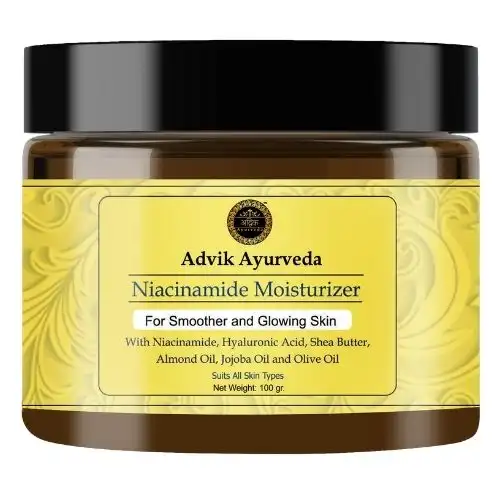
Moisturizing is essential for maintaining soft skin. Even oily skin requires proper hydration.
Natural moisturizers can be highly effective. For example:
- Aloe vera gel
- Coconut oil
- Shea butter
- Almond oil
- Jojoba oil
Apply moisturizer immediately after washing your face or bathing. This helps lock in moisture and prevents water loss.
Furthermore, regular moisturizing strengthens the skin barrier, making the skin smoother and more resilient over time.
Exfoliate Naturally for Smooth Skin
Dead skin cells can accumulate on the skin surface and make it feel rough. Therefore, regular exfoliation is important.
However, excessive exfoliation can damage the skin. For this reason, exfoliate only one or two times per week.
Some natural exfoliants include:
Oatmeal Scrub
Mix oatmeal with honey and gently massage the mixture onto your skin. Oatmeal removes dead cells while soothing irritation.

Sugar and Honey Scrub
Combine sugar with honey to create a gentle exfoliating scrub. As a result, your skin becomes softer and brighter.
Coffee Scrub
Coffee grounds help improve circulation while removing dead skin cells. Consequently, the skin appears smoother and more refreshed.
Use Aloe Vera for Natural Softness
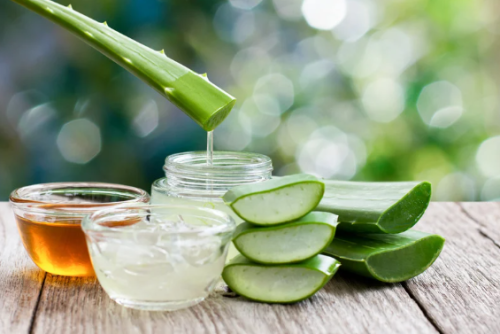
Aloe vera is widely known for its soothing and moisturizing properties. It contains vitamins, antioxidants, and amino acids that support skin health.
Apply fresh aloe vera gel directly to your skin and leave it on for 15–20 minutes. Afterward, rinse with water.
In addition, aloe vera helps calm irritation, reduce redness, and improve hydration levels. Therefore, regular use can significantly enhance skin softness.
Nourish Your Skin with Healthy Foods
Beautiful skin starts from within. Therefore, consuming nutrient-rich foods is just as important as applying skincare products.
Foods Rich in Vitamin C
Vitamin C supports collagen production and helps maintain skin elasticity.
Examples include:
- Oranges
- Lemons
- Kiwi
- Strawberries
- Bell peppers
Foods Rich in Vitamin E
Vitamin E protects the skin from oxidative damage.
Examples include:
- Almonds
- Sunflower seeds
- Avocados
- Spinach
Omega-3 Fatty Acids
Omega-3 fatty acids help maintain the skin’s natural barrier.
Sources include:
- Flaxseeds
- Chia seeds
- Walnuts
- Fatty fish
As a result, your skin remains moisturized and supple.
Protect Your Skin from Sun Damage
Sun exposure is one of the leading causes of skin dryness and premature aging.
Therefore, always use sunscreen before going outdoors. Choose a sunscreen with at least SPF 30 and reapply it as needed.
Additionally, wear protective clothing, hats, and sunglasses whenever possible.
By minimizing UV damage, you help preserve your skin’s natural softness and youthful appearance.

Get Enough Sleep Every Night
Sleep plays a crucial role in skin repair and regeneration.
During sleep, the body produces collagen and repairs damaged skin cells. Consequently, adequate rest contributes to softer and healthier skin.
Aim for 7–9 hours of quality sleep every night.
Furthermore, maintaining a consistent sleep schedule can improve overall skin health and appearance.
Reduce Stress for Better Skin
Stress can negatively affect the skin by increasing inflammation and disrupting hormonal balance.
Therefore, managing stress is essential for maintaining soft skin.
Some effective stress-management techniques include:
- Meditation
- Yoga
- Deep breathing exercises
- Walking in nature
- Reading books
As stress levels decrease, skin often appears calmer, healthier, and more radiant.
Natural Face Masks for Soft Skin
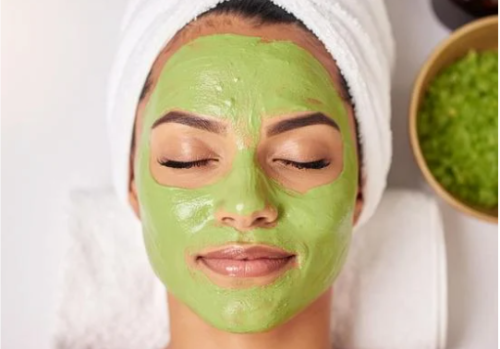
Homemade face masks can provide deep nourishment and hydration.
Honey and Yogurt Mask
Mix one tablespoon of honey with two tablespoons of yogurt.
Apply the mixture to your face for 15 minutes. Then rinse thoroughly.
Honey hydrates the skin, while yogurt gently exfoliates and brightens.
Banana Face Mask
Mash a ripe banana and apply it to your face.
Leave it on for 20 minutes before washing.
Bananas contain vitamins and minerals that help soften and nourish the skin.
Milk and Honey Mask
Mix equal amounts of milk and honey.
Apply the mixture for 15 minutes.
As a result, the skin becomes smoother and more moisturized.
Avoid Harsh Chemicals
Many skincare products contain ingredients that may irritate the skin.
Therefore, avoid products with:
- High alcohol content
- Strong fragrances
- Harsh sulfates
- Artificial dyes
Instead, choose gentle formulations with natural ingredients.
Consequently, your skin barrier remains healthy and retains moisture more effectively.
Exercise Regularly for Healthy Skin
Regular physical activity improves blood circulation and supports healthy skin function.
When circulation improves, nutrients and oxygen are delivered more efficiently to skin cells.
Additionally, exercise promotes sweating, which helps remove impurities from the skin.
Aim for at least 30 minutes of moderate exercise most days of the week.
As a result, your skin may appear brighter, smoother, and healthier.

Use Natural Oils for Extra Hydration
Natural oils can be excellent moisturizers when used correctly.
Coconut Oil
Coconut oil helps reduce moisture loss and supports skin hydration.
Almond Oil
Almond oil contains vitamin E and fatty acids that nourish the skin deeply.
Jojoba Oil
Jojoba oil closely resembles the skin’s natural oils, making it suitable for many skin types.
Rosehip Oil
Rosehip oil contains antioxidants and essential fatty acids that improve skin texture.
Apply a few drops after cleansing for optimal results.
Maintain Proper Bathing Habits
Your bathing habits can significantly influence skin softness.
For example, long hot showers can strip away natural oils. Therefore, limit shower time and use lukewarm water instead.
Additionally, choose gentle soaps that do not excessively dry the skin.
After bathing, pat your skin dry rather than rubbing it aggressively.
Then apply moisturizer immediately to lock in hydration.
Increase Humidity in Your Environment
Dry indoor air can cause moisture loss from the skin.
Therefore, using a humidifier can help maintain adequate humidity levels, especially during winter months.
As a result, your skin remains hydrated and comfortable throughout the day.
Avoid Smoking and Excessive Alcohol
Smoking and excessive alcohol consumption can accelerate skin aging and contribute to dryness.
Smoking reduces blood flow to the skin, while alcohol can cause dehydration.
Therefore, reducing or avoiding these habits can improve skin softness and overall appearance.
Seasonal Skin Care Tips
Summer Skin Care
During summer, focus on hydration and sun protection.
Drink more water, wear sunscreen daily, and avoid prolonged sun exposure.
Winter Skin Care
In winter, use richer moisturizers and avoid very hot showers.
Additionally, consider using facial oils to provide extra nourishment.
Monsoon Skin Care
During humid weather, use lightweight moisturizers and cleanse regularly to prevent clogged pores.
Therefore, adjusting your skincare routine according to the season can help maintain consistently soft skin.
Common Mistakes That Prevent Soft Skin
Many people unknowingly make mistakes that affect skin texture.
Some common mistakes include:
- Skipping moisturizer
- Over-exfoliating
- Not drinking enough water
- Sleeping with makeup on
- Ignoring sunscreen
- Using harsh products
- Inconsistent skincare routines
By avoiding these mistakes, you can achieve better and faster results.
Long-Term Habits for Naturally Soft Skin
Achieving soft skin is not just about temporary treatments. Instead, it requires healthy daily habits.
Make sure to:
- Stay hydrated
- Eat nutritious foods
- Exercise regularly
- Sleep adequately
- Moisturize consistently
- Protect your skin from the sun
- Manage stress effectively
Over time, these habits create a strong foundation for healthy, naturally soft skin.

Conclusion
Getting soft skin naturally is entirely possible with consistent care and healthy lifestyle choices. While quick fixes may provide temporary improvements, natural methods offer sustainable and long-term benefits. By drinking enough water, eating nutrient-rich foods, moisturizing regularly, protecting your skin from sun damage, and following a gentle skincare routine, you can significantly improve your skin texture.
Moreover, natural remedies such as aloe vera, honey, yogurt, and nourishing oils can enhance hydration and softness without exposing the skin to harsh chemicals. Therefore, focus on building healthy habits and maintaining a consistent skincare routine. As a result, your skin will gradually become softer, smoother, healthier, and naturally radiant.

FAQs:
You can get soft skin naturally by drinking enough water, moisturizing daily, eating a healthy diet, exfoliating gently, and using natural ingredients like aloe vera, honey, and coconut oil.
Aloe vera is one of the best natural ingredients for soft skin because it hydrates, soothes irritation, and improves skin texture. Honey and coconut oil are also highly effective.
You should exfoliate your skin 1–2 times per week. Over-exfoliating can damage the skin barrier and cause dryness or irritation.
Yes, proper hydration helps maintain skin elasticity and moisture levels. As a result, the skin looks smoother, healthier, and softer.
Yes, a balanced diet rich in vitamins C and E, antioxidants, and omega-3 fatty acids supports healthy skin and helps maintain softness naturally.
Leave a Reply