
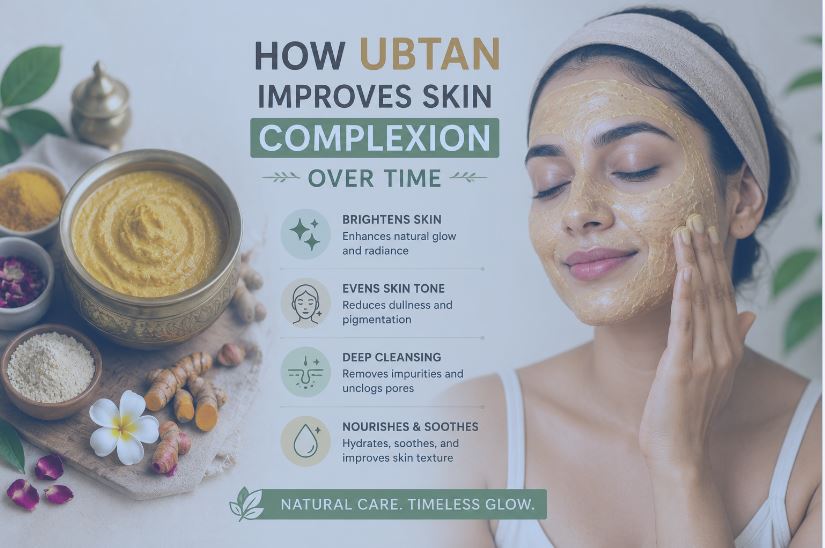
Ubtan doesn’t work like a highlighter. There’s no instant glow the moment it touches skin, and anyone expecting one after a single use usually gives up before the actual results show. That’s the biggest misunderstanding around this centuries-old paste — it’s a cumulative treatment, not a quick fix, and judging it after two applications is like judging a skincare routine after two days.
Ubtan for skin complexion works through repeated, gentle action: exfoliation that clears dulling dead skin, brightening compounds that build up in the skin over weeks, and oils that keep the barrier intact so the other ingredients can actually do their job. Used consistently, that combination adds up to a visibly more even, brighter complexion — just not overnight.

What Ubtan Actually Is (Beyond a Beauty Trend)
Ubtan is a paste made from gram flour (besan), turmeric, sandalwood, and a handful of other Ayurvedic ingredients — traditionally ground fresh at home, now more commonly found in ready-to-use face washes, scrubs, and packs. It predates the modern skincare industry by thousands of years, originally used before weddings and religious ceremonies specifically because of its brightening, cleansing effect on skin.
What makes it different from a typical face wash is the combination of mechanisms working at once — mild physical exfoliation from the gram flour, anti-inflammatory and brightening action from turmeric, and a cooling, soothing effect from sandalwood. None of these ingredients work instantly on their own, but layered together and used consistently, they compound.
It’s also worth separating ubtan from harsher “fairness” products that dominated Indian skincare marketing for decades. That distinction matters, because it sets a more realistic and achievable goal than skin lightening ever could.

Ubtan for Skin Complexion: How the Transformation Actually Happens
Understanding ubtan for skin complexion means understanding what’s happening beneath the surface with each use, not just what the paste smells or feels like.
- Exfoliation removes the outer layer of dead, dull skin cells that make a complexion look tired or uneven — this is the most immediately visible effect.
- Turmeric’s active compound, curcumin, has documented anti-inflammatory and antioxidant properties that calm redness and reduce the appearance of dark spots over repeated use.
- Sandalwood supports the skin’s calming response, reducing the irritation that can otherwise undo brightening progress.
- Gram flour gently absorbs excess oil, which helps prevent the dullness that comes from a congested, oily skin surface.
None of these mechanisms deliver a dramatic transformation in one sitting. What they do is chip away, use after use, at the specific factors — dead skin buildup, inflammation, oil congestion — that make a complexion look uneven or dull in the first place.
Gradual skin transformation isn’t unique to Ayurveda — it’s how skin actually works. Morning Sun’s guide to the skin rejuvenation journey explains why consistency outperforms quick fixes across every approach, natural or clinical.
Ubtan Benefits Skin in More Ways Than Brightening
Brightening tends to get the most attention, but ubtan benefits skin through a wider set of effects that support the brightening process rather than working in isolation.
- Gentle exfoliation improves how well other skincare products absorb, since dead skin cells are no longer sitting between your serum and your actual skin.
- Anti-inflammatory action from turmeric can reduce the appearance of active breakouts and post-acne redness, not just pigmentation.
- Oil regulation from gram flour helps reduce the shine and clogged-pore look that often accompanies dullness.
- Antioxidant protection from turmeric helps counter some of the daily oxidative stress caused by pollution and sun exposure.
Complexion improvement is really the visible sum of these smaller effects working together, week after week, rather than one single ingredient doing all the work.

Ayurvedic Skin Brightening: Why It Works Differently From Chemical Brightening
Ayurvedic skin brightening and chemical brightening (think hydroquinone or high-strength acids) aim for a similar outcome — a more even tone — but they get there through different mechanisms and different timelines.
- Chemical brightening agents often work faster but can carry a higher risk of irritation, sensitivity, or rebound pigmentation if used incorrectly.
- Ayurvedic brightening works more gradually, relying on gentle exfoliation and anti-inflammatory action rather than aggressive cell turnover.
- Because the ingredients are milder, ubtan tends to suit a broader range of skin types, including sensitive skin that reacts poorly to stronger actives.
Neither approach is universally “better” — it depends on your skin’s tolerance and how quickly you need results. Ubtan is generally the gentler, more sustainable long-term option.
This kind of beauty ritual has deep cultural roots that go well beyond skincare shelves. Desh Sansaar’s look at Indian rituals that still shape daily life traces where practices like this actually began.
Traditional Indian Skincare: What Made Ubtan a Multi-Generational Staple
Traditional Indian skincare rarely separated beauty from ritual, and ubtan is one of the clearest examples of that overlap. It was applied before weddings as part of the haldi ceremony, used by new mothers during postpartum recovery, and passed down as a household recipe long before “skincare routine” was a phrase anyone used.
That longevity isn’t an accident. A formula that didn’t actually improve skin over repeated use wouldn’t have survived generations of scrutiny from mothers, grandmothers, and communities who had no marketing to rely on — only results they could see on each other’s faces.
What’s changed today isn’t the formula’s core logic, but its convenience. Grinding fresh turmeric, sandalwood, and gram flour at home has largely given way to pre-formulated versions that keep the same active ingredients in a more consistent, easier-to-use ratio — useful for anyone who wants the tradition without the kitchen prep.
What Realistic Timeline to Expect (Week by Week)
Setting the right expectations from the start makes it far easier to stick with a routine long enough to see it work.
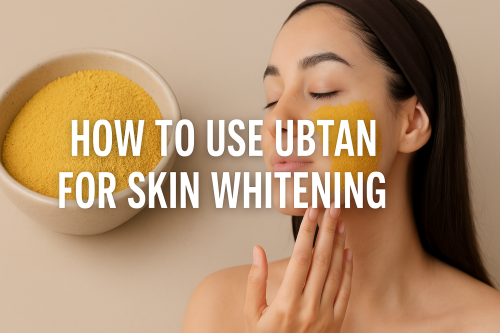
- Weeks 1–2: Skin generally feels smoother and looks slightly less dull as regular exfoliation removes surface buildup.
- Weeks 3–4: Early brightening effects start to show, particularly in areas with mild, recent discoloration rather than deep, long-standing pigmentation.
- Weeks 5–8: A more noticeably even tone develops with consistent use two to three times a week, alongside daily sunscreen to protect the progress being made.
Skipping weeks, or expecting week-one results, is the most common reason people conclude ubtan “doesn’t work” when the routine simply hadn’t run long enough.
Want the deeper breakdown of what’s inside a good ubtan formula? Read Advik Ayurveda’s guide to ubtan face wash and its 5 secrets to glowing skin for the ingredient-level detail.
Conclusion
Ubtan for skin complexion isn’t a myth or an overnight miracle — it’s a gradual, well-documented process built on gentle exfoliation, anti-inflammatory action, and consistent use. The skin that looks brighter and more even after two months isn’t the result of one magic ingredient. It’s the accumulated effect of removing dead skin, calming inflammation, and protecting the skin barrier, week after week.
If you’re starting a routine today, the most important thing isn’t finding the perfect formula — it’s committing to using it consistently long enough to actually see what it can do.
Pair that consistency with sun protection and you give the routine its best possible chance. Even the most effective brightening ingredients struggle to keep up with daily unprotected sun exposure, which can undo weeks of progress in a matter of days.

FAQs:
Two to three times a week is generally recommended. Daily use can be too exfoliating for some skin types and may cause irritation rather than faster results.
Ubtan doesn’t change natural skin tone permanently — it helps even out temporary discoloration like dullness, mild pigmentation, and sun-related unevenness.
Generally yes, since the ingredients are gentler than many chemical exfoliants, but a patch test is still recommended, particularly for anyone with a history of skin sensitivity.
A week is too short a window for visible brightening. Most people need four to eight weeks of consistent use before noticing a meaningful difference in tone and evenness.
Yes, though it’s worth spacing them out rather than layering everything at once. Using ubtan on alternate days from stronger actives helps avoid over-exfoliating the skin.
External Resources
PubMed — Clinical Studies on Topical Curcumin (Skin Pharmacology and Physiology, 2023)
Leave a Reply