
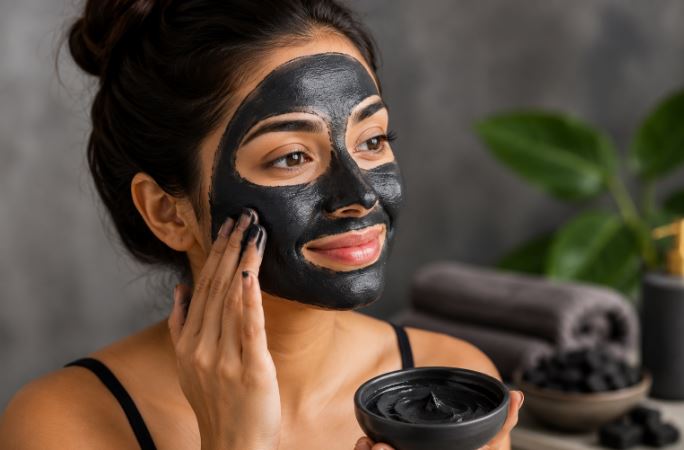
Blackheads are small, stubborn and very easy to spot in a mirror. So when a black mask promises to “pull them out,” it is hard not to try it. Also, if you live in the US, UK, Canada, the Gulf or Australia and order Indian skincare online, you have probably seen charcoal tubs and tins everywhere.
So does a charcoal mask for blackheads really help? Here is the short answer. It can help a little, but only in a limited way and soaks up surface oil and can leave your nose and chin looking cleaner for a day or two. It does not dissolve the plug sitting deep inside a pore.
This guide separates what is real from what is marketing. Also, you will learn how to pick a mask, how to use it safely, and how to build a simple routine around it. If your breakouts are painful or your skin is very sensitive, read the dermatologist section first.
What Blackheads Really Are
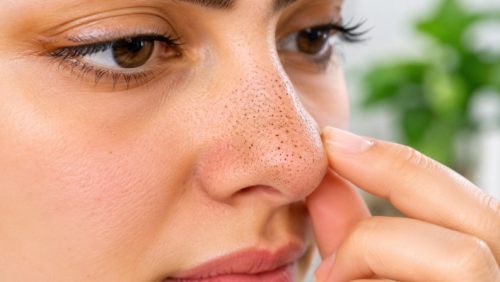
A blackhead is a clogged pore that stays open at the top. Oil and dead skin cells build up inside the pore, and the surface of that plug darkens when it meets air. In fact, dermatologists call it an open comedone. The American Academy of Dermatology explains breakout types and notes that these dark dots are not dirt, so scrubbing them hard only makes things worse.
Blackheads show up most on the nose, chin and forehead, because these areas have more oil glands. For example, common triggers include hormonal changes, sweat, humidity, greasy products and makeup left on overnight. MedlinePlus lists these triggers among the usual causes of acne breakouts.
Why Scrubbing Harder Backfires
Many people believe blackheads mean a dirty face, so they scrub more often. That is the wrong move. In fact, rough scrubs and hot water irritate the skin. Irritated skin swells, and swollen pores trap even more oil. Gentle care works better than force.
That is also the right lens for judging any mask. In short, a good one clears surface oil without leaving your skin tight, red or sore.
What Activated Charcoal Does on Your Skin
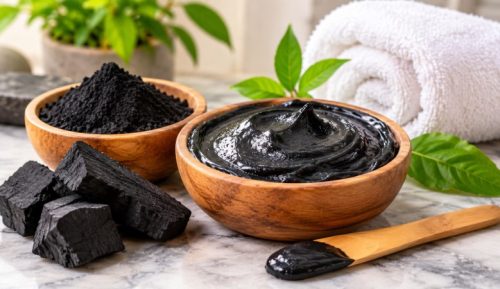
Activated charcoal is carbon that has been heated and treated until it is full of tiny holes. It is usually made from coconut shell, bamboo or wood. Because of those holes, it grabs onto oil and grime, much like a sponge holds water. This is the idea behind activated charcoal pore care.
In a face mask, charcoal first sits on the skin for several minutes. When you rinse it off, it carries away some of the oil and loose debris on the surface. That is why skin often feels clean and matte afterward.
Here is a point worth knowing. Classical Ayurveda relied mostly on herbs, clays and flour-based pastes such as ubtan. Charcoal, however, is a modern addition. For this reason, many Ayurvedic-style brands now blend it with neem, aloe vera or multani mitti to soften its drying effect. If you want help judging such claims, this DeshSansaar guide to Ayurveda for NRIs and foreigners explains how to tell evidence from hype.
Does a Charcoal Mask for Blackheads Help? The Honest Answer
Yes, in a small way. No, if you expect it to fix blackheads on its own. Large, well-designed studies on charcoal masks are hard to find, and most bold claims come from product labels rather than trials. Therefore, treat charcoal as a helper, not a cure.
What It Can Do
- Absorb extra surface oil so skin looks less shiny
- Loosen some loose debris near the pore opening
- Make pores look smaller for a short time
- Leave skin feeling fresh after a humid day or a long flight
What It Cannot Do
- Dissolve the hardened plug deep inside the pore
- Stop new blackheads from forming
- Change how much oil your skin makes
- Shrink pores for good
Who May Benefit, and Who Should Skip
Overall, oily and combination skin tends to like charcoal best. In Ayurvedic terms, this is often Kapha-type skin, which runs oily and congested. People in humid places also notice more benefit.
Skip it, or ask a doctor first, if your skin is dry, sensitive or easily red. The same goes for eczema, rosacea, open sores and inflamed acne. Pause it too if you use a prescription retinoid or strong acids, since the combination can over-dry your skin.
Charcoal Mask vs Other Blackhead Options
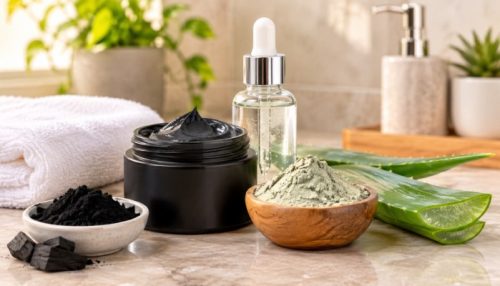
Charcoal works on the surface, but blackheads live inside the pore. That gap is why other options often do more.
- Salicylic acid: it works inside the pore to break down oil and dead cells. MedlinePlus names salicylic acid and adapalene among over-the-counter acne ingredients.
- Adapalene or other retinoids: they also help stop pores from clogging over time. They can irritate, so start slowly.
- Clay masks such as multani mitti: they give gentler oil control and are often less drying than charcoal.
- Steam or a warm compress: it softens the plug before cleansing. Keep it short.
- Professional extraction: it is the safest route for deep or stubborn blackheads.
So, a smart plan uses charcoal once a week for oil control and a leave-on ingredient for the real work inside the pore. For persistent cases, an overview of cosmetic and dermatology treatments in India on MorningSun.in shows what international patients can look into.
Ready to give it a fair try?
How to Choose a Deep Cleansing Face Mask

However, not every black mask is the same. Read the label before you buy.
- Wash-off over peel-off. Peel-off masks can tug at the skin, so they often leave redness.
- A soothing partner ingredient. Aloe vera, neem, rose water or multani mitti can ease dryness.
- A short ingredient list. Fewer additives, after all, mean fewer chances of a reaction.
- Low fragrance. Strong scent is also a common irritant on blemish-prone skin.
- Clear batch and expiry details. This matters most when you order from overseas.
How to Use a Charcoal Mask for Blackheads, Step by Step
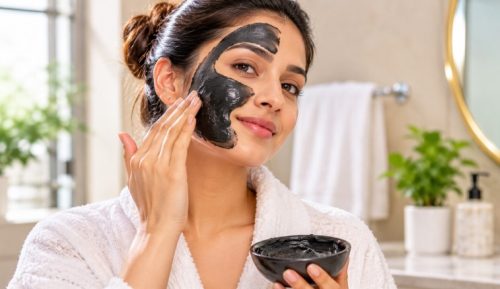
- Patch test first. Dab a little on your jawline and wait 24 hours. Stop if you see redness or itching.
- Cleanse gently. Then use a mild cleanser and lukewarm water to remove makeup and sunscreen.
- Soften the skin. Press a warm, damp cloth on your face for one minute. Skip this if your skin is sensitive.
- Apply a thin, even layer. Focus on the nose, chin and forehead, but avoid eyes, lips and irritated spots.
- Wait as long as the label says. About ten minutes is typical. Rinse before the mask turns dry and cracked.
- Rinse well. Use lukewarm water and light circular motions. Instead of scrubbing, let the water do the work.
- Moisturise. Afterward, pick a light, oil-free lotion or gel.
- Protect your skin the next morning. Finally, use an oil-free sunscreen, as the AAD advises for blemish-prone skin.
Still, once a week is enough for most people. Oily skin may handle twice a week, but only if there is no tightness or peeling. In fact, more is not better.
Common Mistakes to Avoid
Most bad experiences with black masks come from a few easy slips. So avoid these, and your skin will thank you.
- Leaving the mask on until it cracks. Over-drying makes the skin produce more oil later.
- Using it every day. Daily use can damage the skin barrier and, as a result, cause flaking.
- Applying it on broken or sunburnt skin. This can sting and, in turn, delay healing.
- Mixing it with strong acids, scrubs or a new retinoid on the same night.
- Expecting overnight results. Blackheads form slowly, so they clear slowly too.
- Trusting a single before-and-after photo. Lighting and angles can change how pores look.
If your skin feels tight, stings or turns red after a mask, rinse it off at once. Give your skin a week of plain cleansing and moisturising before you try again.
Remove Blackheads Naturally: A Simple Weekly Routine

If you want to remove blackheads naturally, think steady habits rather than one dramatic mask. So here is a routine you can follow without much effort.
Every Day
- Clean your skin gently with a mild, non-drying cleanser. MedlinePlus recommends this approach for acne-prone skin.
- Also, use an oil-free moisturiser and sunscreen.
- Finally, remove makeup every night, without exception.
Every Week
- Day one: charcoal mask, followed by moisturiser.
- Day four: a gentle ubtan-style scrub, such as those in the Advik Ayurveda skincare range. Never scrub and mask on the same day.
- Other days: cleanse and moisturise, then let your skin rest.
Everyday Habits That Help
- Do not pick or squeeze, because it can push debris deeper.
- Also, change your pillowcase once a week.
- Likewise, drink enough water through the day.
- Notice whether very oily or fried foods trigger flare-ups. Diet effects differ from person to person.
Ayurveda links oily, clogged skin to excess Kapha, and sensitive, inflamed skin to Pitta. It also suggests lighter meals, regular sleep and cooling herbs such as neem. For a fuller picture, MorningSun’s guide to natural skin glow protocols covers cleansing, masks, diet and sleep for each skin type.
Want a plan built around your own skin type?
Explore personalised skin programs at MorningSun.in, or start with an online virtual dosha assessment from wherever you live.
Skincare Tips for NRIs and Travellers

Because skin moves between countries and climates, it needs a flexible routine. These points help most:
- Match your routine to the weather. Humid summers raise oil, while dry heated rooms in winter strip skin. As a result, use the mask less often in winter.
- Rinse well if you have hard water, because mineral residue can leave skin feeling tight.
- Patch test every new batch, especially when you order Indian skincare from abroad, since formulas, climate and your skin can all change.
- Watch for dark marks. Irritation can leave marks that last for months, especially on deeper skin tones. For details, the AAD page on acne signs and symptoms explains this clearly.
- Be wary of miracle claims. Instead of trusting hype, read DeshSansaar’s section on India myths versus reality.
Visiting India soon? A trip is also a good time to see a skin specialist in person. Planning that visit before you fly saves time and avoids rushed decisions.
Planning a trip to India?
When to See a Dermatologist
However, home care has limits. Book an appointment if you notice any of these signs:
- Red, swollen or painful bumps alongside the blackheads
- Deep lumps under the skin
- No improvement after 8 to 12 weeks of steady care
- Burning, peeling or darkening after using a mask
- Early scarring or lasting dark marks
Instead, a doctor can safely extract stubborn blackheads and prescribe the right treatment. Please do not squeeze them yourself, since that can cause scars.
Not sure which Ayurvedic skincare claims to trust?
The Bottom Line
A charcoal mask is a useful weekly helper, not a blackhead cure. It handles surface oil well, but real progress comes from gentle daily care, a leave-on ingredient that works inside the pore, and patience. Patch test, keep sessions short, and stop if your skin complains. When you are ready, try the charcoal face mask from Advik Ayurveda as one step in a simple routine.
This article is for general information and is not medical advice. Therefore, please speak to a qualified doctor about persistent or painful skin problems.
FAQs:
No. It lifts surface oil, but blackheads return unless you keep pores clear with regular care.
Once a week suits most people. However, oily skin may tolerate twice weekly if there is no irritation.
Usually not ideal. Charcoal can feel drying, so patch test first or choose a gentler hydrating mask.
No. Peel-off masks can tug skin and irritate it. Wash-off formulas are generally gentler.
Not on the same day at first. Instead, alternate days to avoid dryness and irritation.
Charcoal is a modern addition, while classical skincare mostly used herbs and clays.
Leave a Reply