

If your skincare shelf is starting to feel like a science lab, it might be time to simplify things with a touch of tradition—starting with turmeric in your skincare routine. Between serums, toners, oils, and peels, it’s easy to forget that some of the most effective skincare ingredients have been sitting in our kitchens all along. One golden powerhouse that’s been gaining serious popularity? Turmeric.

Have you ever wondered if turmeric could actually make a difference in your skin? Or how to even use it without turning your face yellow? You’re in the right place. Let’s talk all about turmeric in your skincare routine—why it works, how to use it, and what you should watch out for.
Why Are People Obsessed With Turmeric for Skin?
First things first—what’s all the fuss about?
Turmeric has been used in Ayurveda and other traditional wellness systems for thousands of years. You might know it as the spice that gives curry its bold yellow color, but it’s so much more than a kitchen staple. The real skincare magic comes from an active compound called curcumin, which has anti-inflammatory, antibacterial, and antioxidant properties.
Recommended Product

Ever struggled with acne, dull skin, or uneven tone? That’s where turmeric in your skincare routine really starts to shine.
Curcumin helps calm irritated skin, reduce redness, fade scars, and fight the oxidative stress that contributes to aging. And the best part? It’s gentle and natural.
But just like any skincare ingredient, using it the right way is key.
Real Benefits of Using Turmeric in Your Skincare Routine
Here’s what turmeric actually does for your skin—not just hype, but results people are seeing every day:
1. Brightens Your Skin

Turmeric is known to give your skin that “lit-from-within” glow. It improves skin tone by reducing pigmentation and dullness, giving your face a fresh, even appearance.
2. Soothes Acne and Redness
If you’ve been dealing with breakouts or sensitive skin, turmeric’s anti-inflammatory powers help calm your skin down. It also has antibacterial properties that target acne-causing bacteria.
3. Fights Early Signs of Aging

No, turmeric isn’t Botox—but it does fight free radicals, which are partly responsible for wrinkles and sagging. Using turmeric in your skincare routine can help protect your skin over time.
4. Fades Scars and Dark Spots
Stubborn acne marks or sun spots? Turmeric helps fade them naturally over time by slowing melanin production and encouraging cell turnover.
5. Eases Eczema and Psoriasis Symptoms

While it’s not a cure, turmeric may ease the irritation and flaking associated with chronic skin conditions thanks to its soothing and healing effects.
How to Use Turmeric in Your Skincare Routine Without the Mess
Let’s be real—turmeric is known for staining everything from countertops to fingernails. So how do you bring turmeric in your skincare routine without walking around with a yellow-tinted face?
Here are a few simple and safe ways to get started:
1. DIY Turmeric Face Mask (That Won’t Stain Your Skin)
What you’ll need:
- 1 tsp turmeric powder
- 2 tbsp plain yogurt or honey
- A few drops of lemon juice (optional for oily skin)

How to use:
Mix the ingredients into a smooth paste. Apply it to your clean face and leave on for 10–15 minutes. Rinse with warm water and pat dry. Use once or twice a week.
Tip: Add turmeric slowly—too much, and you might end up with a yellow tint. A pinch goes a long way!
2. Turmeric in Cleansers and Creams
More and more skincare products are adding turmeric to their formulas—think face washes, night creams, and serums. These are perfect for daily use and tend to be less pigmented, so staining isn’t an issue.
Recommended Product

Look for labels that say “turmeric extract” or “curcuma longa” (that’s turmeric’s scientific name) in the ingredient list.
How Often Should You Use Turmeric in Your Skincare Routine?
Too much of anything isn’t great—same goes for turmeric. Start slow. Using it 2–3 times a week is usually enough to notice results without irritating your skin.
Everyone’s skin reacts differently, so if you’re trying a DIY mask, always do a patch test first. Apply a small amount behind your ear and wait 24 hours to see if any redness or itching develops.
Can You Use Turmeric for All Skin Types?
Mostly, yes. Turmeric is considered safe for all skin types. But like anything, it depends on how you use it.
- Oily or Acne-Prone Skin? Turmeric is a dream. It controls sebum, clears up breakouts, and reduces shine.
- Dry or Sensitive Skin? Mix turmeric with hydrating ingredients like milk, honey, or avocado.
- Combination Skin? You’ll love how it balances uneven patches and improves overall tone.

Got really sensitive skin? Always do a patch test. And if you’re using prescription skincare, check with your dermatologist before adding anything new.
Wondering What to Pair Turmeric With?
If you’re building a full skincare routine, turmeric plays well with others. Here are a few simple pairings:
- With Aloe Vera Gel: To calm inflammation and cool the skin—great for after sun exposure.
- With Rose Water: Adds hydration and balance to your turmeric mask.
- With Vitamin C: Both are brightening agents, but use them at different times (turmeric at night, vitamin C in the morning).
- With Honey: Perfect for moisturizing and antibacterial benefits—especially if your skin is feeling dry or irritated.
How to Use Advik Ayurveda Turmeric in Your Skincare Routine
If you’re ready to try turmeric in your skincare routine but don’t want the mess of mixing powders or the risk of staining, Advik Ayurveda makes it super easy. Their range blends traditional wisdom with ready-to-use convenience:
1. Advik Ayurveda Turmeric Face Wash
A gentle cleanser that harnesses the power of turmeric to reduce inflammation, lighten dark spots, and leave your skin feeling refreshed without drying it out. It’s perfect for your morning or evening skincare routine and helps maintain a clean, balanced complexion throughout the day. Its mild formula suits all skin types, including sensitive skin.
Recommended Product

2. Advik Ayurveda Haldi Chandan Face Pack
This is a great weekly ritual. The combination of turmeric and sandalwood soothes skin irritation and helps brighten dull, tired skin. Just apply a thin layer, leave it on for 10–15 minutes, and rinse off to reveal visibly refreshed skin. It’s ideal for those looking to unwind while giving their skin a nourishing treat.
Recommended Product

3. Advik Ayurveda Tan Removal Cream
Perfect for dealing with sun damage. It uses turmeric to even out skin tone and bring back your natural glow. With regular use, it can help fade stubborn tan lines and restore your skin’s natural brightness. The non-greasy texture makes it easy to wear even under your daily sunscreen or makeup.
Recommended Product

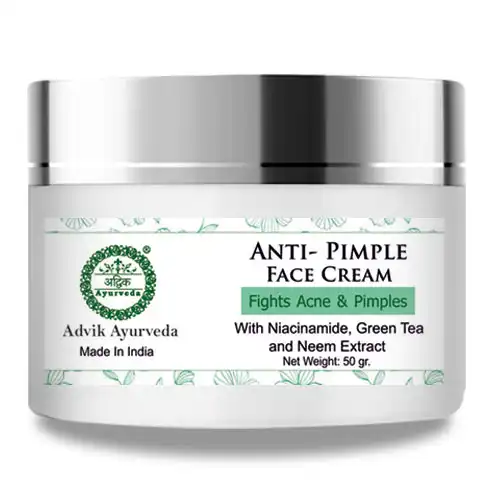
4. Advik Ayurveda Anti-Pimple Face Cream
If you’re dealing with breakouts, this one is worth trying. Turmeric’s antibacterial properties target acne at the source, helping reduce inflammation and prevent new pimples from forming. It also helps soothe redness and irritation, making it a great spot treatment or daily cream for acne-prone skin.
Recommended Product
These products let you enjoy the benefits of turmeric in your skincare routine without the fuss. They’re also chemical-free and preservative-free, which is always a win.
Final Thoughts
Turmeric has earned its place as a go-to ingredient for glowing, healthy skin. Whether you choose to DIY a mask or go with something ready-made like the options from Advik Ayurveda, incorporating turmeric in your skincare routine is a step toward natural, effective skincare. So, have you tried turmeric for your skin yet? What do you look for when choosing a skincare product? Drop your thoughts—let’s keep the conversation going!
FAQs
1. Is turmeric good for all skin types?
Yes, turmeric in your skincare routine suits most skin types, including oily, dry, and sensitive skin. However, it’s always smart to patch test first to avoid any allergic reactions.
2. Can turmeric remove dark spots permanently?
Turmeric in your skincare routine can gradually fade dark spots due to its anti-inflammatory and antioxidant properties. Regular use, especially with products like Advik Ayurveda Turmeric Face Wash, can help achieve a more even tone.
3. How often should I use turmeric on my face?
You can use turmeric in your skincare routine daily if the product is gentle, like a face wash. For masks or packs, 1–2 times a week is ideal.
4. Does turmeric stain the skin?
Pure turmeric powder may leave a yellow tint, but turmeric in your skincare routine with Advik Ayurveda products like the Haldi Chandan Face Pack is formulated to avoid staining while delivering benefits.
5. Can turmeric cure acne completely?
Turmeric in your skincare routine helps manage acne by reducing inflammation and bacteria. While it may not cure severe acne alone, using something like Advik Ayurveda Anti-Pimple Face Cream can be an effective part of a routine.
6. Is it safe to use turmeric daily?
Yes, turmeric in your skincare routine is safe if you’re using products designed for daily use, such as Advik Ayurveda Turmeric Face Wash. It’s both safe and beneficial for maintaining healthy skin.
7. What should I mix with turmeric for a DIY face mask?
To incorporate turmeric in your skincare routine through a DIY mask, you can mix turmeric with yogurt, honey, or aloe vera. If you prefer something mess-free, go for ready-made options like Advik Ayurveda’s face pack.
8. Does turmeric lighten skin naturally?
Turmeric in your skincare routine helps improve complexion by reducing pigmentation, calming inflammation, and boosting radiance over time.
9. Are there any side effects of using turmeric on the face?
Turmeric in your skincare routine is generally safe, but some people may experience slight irritation or dryness. Start with a patch test or opt for balanced formulations like those from Advik Ayurveda.
10. What makes Advik Ayurveda turmeric skincare products different?
Advik Ayurveda blends ancient Ayurvedic wisdom with modern convenience. Their turmeric in your skincare routine products are chemical-free, preservative-free, and make the process simple, safe, and effective.