
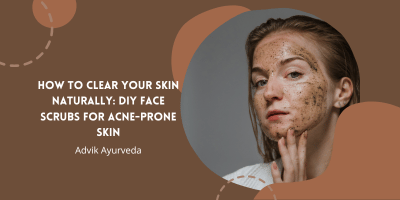
Acne is a common skin condition that affects people of all ages, and it can be particularly frustrating for those with acne-prone skin. The good news is that face scrubs for acne prone skin are one of the many natural remedies that can prevent and treat acne. Face scrubs help remove dead skin cells, unclog pores, and reduce inflammation. In this article, we’ll share some of the best natural face scrubs for acne-prone skin that you can make at home.
Recommended Product

5 DIY Face Scrubs for Acne Prone Skin
1. Honey and Oatmeal Scrub Honey is a natural antibacterial agent that help kill the bacteria that cause acne. Oatmeal, on the other hand, is gentle enough to use on sensitive skin but effective at exfoliating the skin. To make this scrub, mix 1 tablespoon of honey with 1 tablespoon of ground oatmeal. Apply the mixture to your face, gently massage it in circular motions for a few minutes, and then rinse with warm water.
2. Green Tea and Sugar Scrub: Green tea is rich in antioxidants and has anti-inflammatory properties that help reduce the redness and inflammation caused by acne. Sugar is a natural exfoliant that help remove dead skin cells and unclog pores. To make this scrub, mix 1 tablespoon of green tea leaves with 1 tablespoon of sugar and enough water to make a paste. Apply the paste to your face, gently massage it in circular motions for a few minutes, and then rinse with warm water.
Recommended Product

3. Baking Soda and Lemon Juice Scrub: Baking soda is a natural exfoliant that helps remove dead skin cells and unclog pores. Lemon juice is rich in vitamin C, which helps brighten the skin and reduce inflammation. To make this scrub, mix 1 tablespoon of baking soda with enough lemon juice to make a paste. Apply the paste to your face, gently massage it in circular motions for a few minutes, and then rinse with warm water.
4. Cucumber and Brown Sugar Scrub: Cucumber has cooling properties that help soothe inflamed skin, while brown sugar is a natural exfoliant that helps remove dead skin cells. To make this scrub, blend 1/2 a cucumber until it becomes a paste, and then mix in 1 tablespoon of brown sugar. Apply the mixture to your face, gently massage it in circular motions for a few minutes, and then rinse with warm water.
5. Aloe Vera and Sea Salt Scrub: Aloe vera has anti-inflammatory and antibacterial properties that help reduce the redness and inflammation caused by acne. Sea salt is a natural exfoliant that helps remove dead skin cells and unclog pores. To make this scrub, mix 1 tablespoon of aloe vera gel with 1 tablespoon of sea salt. Apply the mixture to your face, gently massage it in circular motions for a few minutes, and then rinse with warm water.
Recommended Product

Before you use any of these natural face scrubs for acne prone skin, it’s important to do a patch test to make sure you’re not allergic to any of the ingredients. Apply a small amount of the mixture to the inside of your wrist and wait for 24 hours to see if you have any adverse reactions.
Summarising Face Scrubs for Acne Prone Skin
If you have acne-prone skin, natural face scrubs can be a great addition to your skin care routine. Not only are they effective at exfoliating the skin and reducing inflammation, but they’re also affordable and easy to make at home. Give these DIY face scrubs a try, and you may be surprised at how much clearer and brighter your skin looks.
Recommended Products

FAQs
What are face scrubs for acne-prone skin?
A: Face scrubs for acne-prone skin are exfoliating products designed to remove dead skin cells and unclog pores, which can help prevent breakouts.
Can face scrubs make acne worse?
A: Yes, if used incorrectly, face scrubs can make acne worse by irritating the skin and spreading bacteria. It’s important to use a gentle scrub and to not scrub too aggressively.
What ingredients should I look for in a face scrub for acne-prone skin?
A: Look for face scrubs with ingredients like salicylic acid, benzoyl peroxide, or alpha-hydroxy acids, which can help unclog pores and prevent breakouts.
How often should I use a face scrub for acne-prone skin?
A: It’s generally recommended to use a face scrub for acne-prone skin 1-2 times per week. Over-exfoliating can irritate the skin and make acne worse.
Can natural face scrubs help with acne-prone skin?
A: Yes, some natural face scrubs can be effective for acne-prone skin, such as those made with ingredients like tea tree oil or charcoal. However, it’s important to still be gentle and not over-exfoliate.
Are face scrubs safe for sensitive skin?
A: It depends on the product and the sensitivity of your skin. Some face scrubs can be too harsh for sensitive skin, so it’s important to choose a gentle formula and do a patch test before using.
Can face scrubs help fade acne scars?
A: Yes, face scrubs can help fade acne scars by removing dead skin cells and promoting skin cell turnover. Look for face scrubs with ingredients like vitamin C or glycolic acid, which can help brighten and even out skin tone.
How should I use a face scrub for acne-prone skin?
A: Wet your face with warm water, apply the face scrub in circular motions, and then rinse off with water. Be gentle and avoid scrubbing too hard, and follow up with a moisturizer to prevent dryness.
Leave a Reply