

Have you ever tried a skincare product that your friend swears by, only to find that it made your skin breakout or feel dry? You’re not alone. The truth is, no two skins are exactly the same. That’s why understanding your skin type is one of the most important things you can do before buying your next cleanser, moisturizer, or face mask.
If your skincare routine feels like a guessing game, this blog is for you. We’re going to talk about how to figure out your skin type, what it means for your daily skincare routine, and how to treat your skin the way it actually needs to be treated. You don’t need a degree in dermatology to understand your skin—you just need the right guide. Ready? Let’s talk skin.
Why Understanding Your Skin Type Really Matters
Let’s be real—most of us don’t think about our skin type until something goes wrong. Maybe it’s a new product that stings, a breakout that comes out of nowhere, or a moisturizer that leaves your face feeling greasy. These moments are your skin trying to tell you something: “Hey, this isn’t what I need.”

Understanding your skin type isn’t just about preventing bad reactions (though that’s a big part of it). It’s also the key to finding the products that actually work. When you know your skin type, you can create a skincare routine that brings out the best in your skin—whether that’s a natural glow, balanced hydration, or fewer breakouts.
So, how do you actually figure out your skin type? Let’s break it down.
The 5 Basic Skin Types and How to Identify Yours
There are five commonly recognized skin types: normal, oily, dry, combination, and sensitive. Each has its own quirks, needs, and signs. Here’s how to spot yours:
1. Normal Skin
Lucky you! If your skin isn’t too oily or too dry, doesn’t break out easily, and generally feels balanced—welcome to the “normal” club. This skin type usually has small pores, an even texture, and minimal sensitivity.

But don’t take it for granted. Even normal skin needs proper care to stay that way. A gentle routine with a mild cleanser, lightweight moisturizer, and SPF is usually enough.
Ask yourself: Does my skin behave consistently without too many surprises? Do I rarely struggle with dryness or oiliness?
2. Oily Skin
Shiny forehead by noon? Breakouts along the T-zone? That’s classic oily skin. This skin type tends to produce excess sebum (your skin’s natural oil), especially around the nose, forehead, and chin.
The good news? Oily skin tends to age more slowly. The challenge is keeping breakouts and clogged pores under control.
Recommended Product

Look for lightweight, oil-free products, gel-based cleansers, and exfoliants that keep pores clear without stripping your skin.
Ask yourself: Do I blot my face during the day? Do I often see enlarged pores or blackheads?
3. Dry Skin
Tightness, flakiness, and dullness are common signs of dry skin. It may feel rough or irritated, especially after cleansing. This type lacks moisture and often needs richer, more hydrating products.

Cream-based cleansers, heavier moisturizers, and ingredients like hyaluronic acid and ceramides can make a huge difference.
Ask yourself: Does my skin feel tight after washing? Do I struggle with rough patches or visible flaking?
4. Combination Skin
Most people fall into this category. With combination skin, your T-zone might be oily while your cheeks stay dry. It’s like your face lives in two different climates at once.
Recommended Product

Balancing both areas can be tricky, but not impossible. You may need to use different products on different parts of your face—or find a balanced formula that caters to both.
Ask yourself: Is my nose shiny while my cheeks feel dry? Do I see oiliness and dryness in different areas?
5. Sensitive Skin
Redness, irritation, and stinging from common products are all signs of sensitive skin. This type reacts easily to fragrance, harsh chemicals, and sometimes even temperature changes.

Gentle, fragrance-free products with calming ingredients like aloe, chamomile, or oatmeal are your best bet.
Ask yourself: Do I often feel burning or redness after using new products? Is my skin easily irritated by weather or fabrics?
Simple Tests to Understand Your Skin Type at Home
Still unsure? Here are two easy ways to test your skin type without any fancy equipment:
The Bare-Faced Test
- Wash your face with a gentle cleanser.
- Pat dry and leave your skin bare (no products).
- Wait about an hour and observe.
If your skin feels:
- Tight or flaky → Dry
- Shiny all over → Oily
- Shiny only in the T-zone → Combination
- Comfortable and even → Normal
- Itchy or red → Sensitive
The Blotting Sheet Test
- Gently press blotting paper on different areas of your face.
- Hold it up to the light and check how much oil is visible.
- A lot of oil → Oily skin
- Oil only in T-zone → Combination skin
- Minimal to no oil → Dry or normal skin
Understanding your skin type doesn’t have to be complicated. Sometimes, it’s just about paying attention to how your skin feels.
What Happens When You Use the Wrong Products?
We’ve all done it—bought a trending serum or that moisturizer with rave reviews, only to break out or peel like a lizard. That’s often a sign of mismatch.

Using products not suited for your skin type can lead to:
- Breakouts or clogged pores (especially with oily skin)
- Flakiness and irritation (common with dry or sensitive skin)
- Imbalanced skin (combination skin suffers most)
That’s why understanding your skin type should always be your first step before trying something new.
Let’s Talk: What’s Your Skin Type?
Now that you’ve read this far—have you figured out your skin type? What kind of products work best for you? If you’ve been using something that finally feels right, tell me about it. And if you’re still unsure, try the blotting paper or bare-faced test and see what your skin’s been telling you.
Understanding your skin type is more than just a label—it’s the starting point of healthier, happier skin. It means fewer regrets at the skincare aisle and more moments of looking in the mirror and actually liking what you see.
Advik Ayurveda Guide to Understanding Your Skin Type
Choosing the right product starts with knowing your skin. Below are carefully selected Advik Ayurveda products, each tailored for a specific skin type. Use this as your starting point to build a skincare routine that actually works.
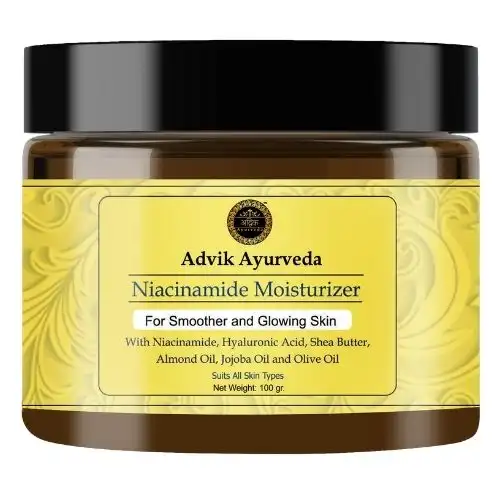
1. Advik Ayurveda Niacinamide Moisturizer
Best for: Oily and acne-prone skin
This lightweight, non-greasy moisturizer is infused with 5% niacinamide, known to minimize pores and refine uneven skin tone.
It helps reduce acne scars over time while balancing oil production.
Gentle and fast-absorbing, it’s suitable for daily use—even in humid weather.
Recommended Product
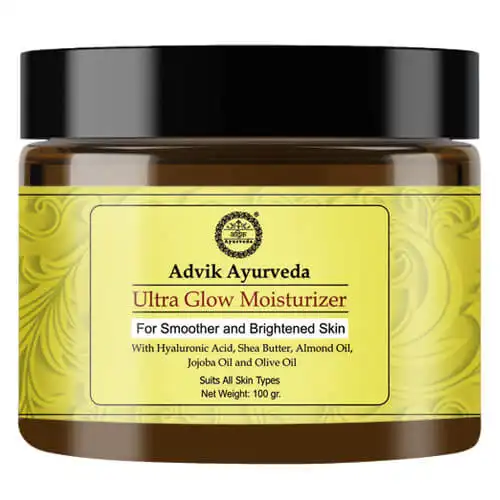
2. Advik Ayurveda Ultra Glow Hyaluronic Acid Moisturizer
Best for: Dry and dehydrated skin
Formulated with hyaluronic acid, jojoba oil, and shea butter, this moisturizer deeply hydrates and restores the skin barrier.
It improves skin elasticity, making it feel softer and more supple with consistent use.
Perfect for use under makeup or at night for intense hydration.
Recommended Product
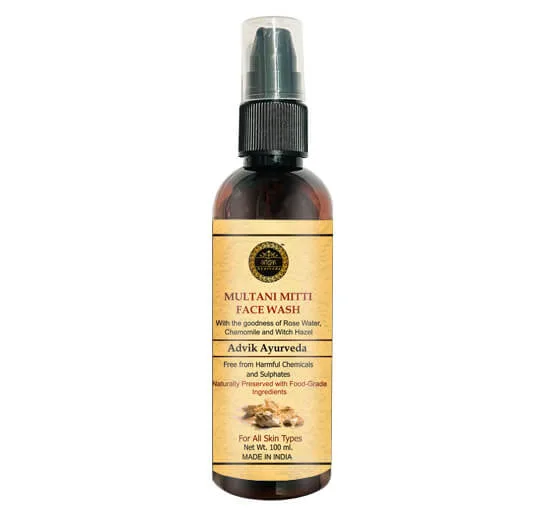
3. Advik Ayurveda Multani Mitti Face Wash
Best for: Combination to oily skin types
This face wash uses traditional Multani Mitti to detoxify pores and absorb excess oil without stripping moisture.
It’s ideal for preventing breakouts while maintaining the skin’s natural pH.
Use it twice daily for a refreshed, matte look with gentle exfoliation.
Recommended Product
4. Advik Ayurveda Brightening Face Cream
Best for: Normal to dull and uneven skin tone
With natural brighteners like saffron, mulberry, and licorice, this cream enhances glow and supports collagen production.
It helps fade pigmentation spots and dull patches over time.
Daily use results in visibly radiant, balanced skin without harsh chemicals.
This skin-type-specific guide will help you build a simple and effective Ayurvedic routine that truly works for your skin. All these formulations are chemical-free, preservative-free, and safe for everyday use.
Recommended Product

Final Thoughts
Understanding your skin type isn’t just a beauty tip—it’s the foundation of every smart skincare choice you’ll ever make. When you really know what your skin needs, you stop wasting money on the wrong products, reduce unnecessary breakouts or irritation, and finally build a routine that feels right.
Skincare should never feel like a mystery. Whether your skin is oily, dry, combination, normal, or sensitive, there’s a way to support it naturally, gently, and effectively. Start by listening to your skin—it’s been talking to you this whole time.
So, what’s the first change you’re going to make now that you understand your skin type better?
Let’s keep the conversation going in the comments below.
FAQs
1. How do I figure out my skin type at home?
Understanding your skin type starts with a simple test—wash your face with a mild cleanser, pat dry, and wait for about an hour without applying anything. If your skin feels tight, you probably have dry skin. If it looks shiny or greasy, you’re likely dealing with oily or combination skin. Normal skin feels comfortable and balanced without shine or tightness.
2. Can my skin type change over time?
Yes, and that’s why understanding your skin type isn’t just a one-time thing. Hormonal changes, seasons, aging, and even stress can shift your skin’s behavior. You might notice oiliness in your younger years, and dryness or sensitivity as you get older.
3. What skincare routine is best for oily skin?
Understanding your skin type—especially if it’s oily—means choosing products that manage excess sebum without stripping your skin. Stick to gel-based cleansers, lightweight moisturizers, and sunscreen. Clay masks once or twice a week also help control shine and prevent breakouts.
4. Which Advik Ayurveda product is suitable for dry skin types?
If you’ve been understanding your skin type and realized it’s dry, Advik Ayurveda Aloe Vera Gel with Vitamin E is a must-have. It deeply moisturizes without feeling greasy, and its chemical-free formula makes it perfect for dry, flaky, or sensitive skin.
5. What’s the difference between dry and dehydrated skin?
Understanding your skin type also means knowing the difference between a skin type and a condition. Dry skin lacks oil, while dehydrated skin lacks water. You could have oily but dehydrated skin. Keep your water intake up and use hydrating serums and gels to restore moisture levels.
6. Is Advik Ayurveda good for sensitive skin?
Absolutely! If understanding your skin type has led you to realize you’re sensitive, Advik Ayurveda’s preservative-free range is a safe choice. Products like their Ubtan, Aloe Vera Gel, and Herbal Face Packs soothe the skin without triggering irritation.
7. Should I exfoliate if I have sensitive or dry skin?
Yes—but gently. Understanding your skin type means not treating all skin the same. Use mild, natural exfoliants once a week. Advik Ayurveda Herbal Scrub is ideal—it’s designed for delicate skin, removing dead cells without damaging your skin barrier.
8. What is the best skincare routine for combination skin?
Understanding your skin type when it’s combination can be tricky. Focus on balancing both oily and dry zones. Use a gentle cleanser, hydrating serum, and non-comedogenic moisturizer. For masks, Advik Ayurveda’s Multani Mitti Pack balances oil without over-drying.
9. How often should I change my skincare routine based on my skin type?
Understanding your skin type includes knowing it’s not fixed forever. Reevaluate every season or if you notice sudden changes. Skin often becomes drier in winter and more oily in summer, so your products might need to shift too.
10. Are natural products better for my skin type?
Yes—especially once you start understanding your skin type and what it reacts to. Natural products usually avoid harsh chemicals that can cause dryness or irritation. Advik Ayurveda offers safe, skin-friendly options that work in harmony with your skin’s natural needs.