
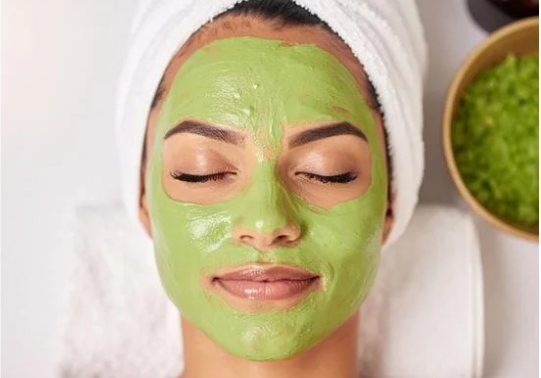
Most skincare advice online follows the same script: cleanser, toner, serum, moisturizer, sunscreen, apply thinnest to thickest, done. It works, but it treats every face the same way and skips a question Ayurveda has been asking for centuries: what is this product actually made of, and does that logic match what your skin needs right now?
The good news is you don’t need to abandon what already works. Ayurveda’s layering logic sits comfortably alongside modern dermatology’s advice, it just adds a layer of reasoning that helps you choose which products belong at each step, not just the order to apply them in.
This guide walks through the ayurveda skincare layering routine, the traditional order of skincare application behind it, and how to build natural skincare steps into an ayurvedic beauty routine that actually matches how your skin absorbs and uses what you put on it.

Why Ayurveda Layers Skincare Differently From the West
Modern dermatology generally recommends applying products thinnest to thickest, water-based before oil-based, so lighter formulas can absorb before a heavier one seals the skin. Ayurveda arrives at a similar practical result, but through a different lens: it categorises ingredients as oil-based or water-based first, then builds the routine around how each interacts with the skin’s own natural oils, not just texture.
This is why an Ayurvedic routine often starts with an oil step before anything water-based touches the skin, which can look backwards if you’re used to a Western routine. It isn’t. It’s closer to the oil-cleansing method many modern routines have quietly borrowed, applied with older, plant-based logic behind it.
The underlying idea is simple: like dissolves like. Oil-based impurities, sebum, sunscreen residue, pollution particles, are lifted more effectively by an oil-based cleanser than by water alone. Only once that layer is removed does a water-based hydrosol or serum have a clean surface to actually absorb into, rather than sitting on top of leftover residue.
Suspect the issue goes deeper than your routine?
The Order of Skincare Application, the Ayurvedic Way
Five steps, applied in this sequence, form the backbone of a traditional Ayurvedic routine. Each one exists to prepare the skin for the one after it.
Step 1: Oil Cleansing or Ubtan First
Traditional Ayurvedic routines often begin with an oil-based cleanse or an ubtan, a paste of gram flour, herbs, and natural oils, used to lift away the day’s grime and excess sebum without stripping the skin’s protective barrier the way a harsh detergent-based face wash can.

Step 2: Hydrosol as Your Toner
After cleansing, a herbal hydrosol takes the place of a conventional toner. Rose, sandalwood, or neem hydrosols hydrate and lightly tone the skin, prepping it to absorb the next layer. Our guide on hydrosol benefits for skin hydration covers how to pick one suited to your skin’s needs.
Step 3: Herbal Serum or Face Oil
This is where targeted, active ingredients go, brightening herbs like mulethi, or a treatment oil suited to your dosha. If you already use a serum in your routine, our step-by-step guide to using face serums effectively covers the application technique in more depth than we will here.

Step 4: Moisturizer to Seal It In
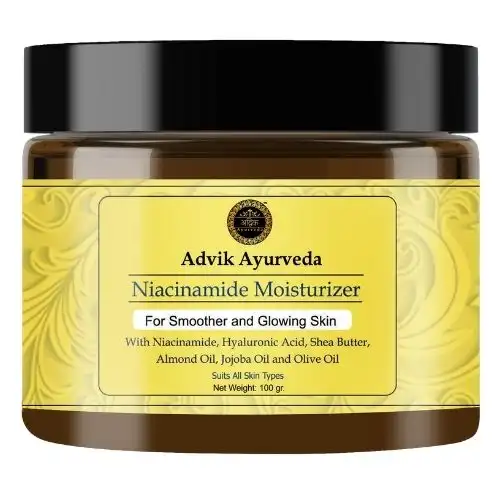
A moisturizer locks in everything applied underneath it. Ayurveda favours ones built around natural humectants and plant oils rather than synthetic silicones. Advik Ayurveda’s Ultra Glow Hyaluronic Acid Moisturizer is formulated around this same principle, hydration without a heavy, synthetic film.
Step 5: Sun Protection
Sunscreen always goes last, and this is one point where Ayurveda and modern dermatology agree completely. No routine, however natural, replaces the need for daily sun protection.
Why the Order Matters: Absorption and Dosha Logic
It’s tempting to treat layering order as a minor detail, something to get roughly right rather than precisely right. In practice, it changes outcomes more than most people expect.
Applying products out of order isn’t just inefficient, it can genuinely stop an active ingredient from reaching the skin at all. A heavy oil applied before a water-based hydrosol creates a barrier the hydrosol simply cannot cross. Dermatologists describe this the same way Ayurveda always has, just with different vocabulary. The American Academy of Dermatology’s guidance on applying skincare in order confirms that sequence genuinely changes how well products perform, not just how a routine feels.
Ready to build your own layered routine?
Adjusting the Routine for Your Dosha
The five-step order stays consistent, but what you put into each step should shift based on your dominant dosha. This is the part most generic layering guides skip entirely, and it’s often the difference between a routine that works and one that just sits on the shelf half-used.
Vata Skin Layering
Dry, thin, Vata-leaning skin benefits from richer oils at both the cleansing and moisturizing steps, and can often skip a separate toner in favour of a more hydrating hydrosol used generously.
Pitta Skin Layering
Warm, sensitive, Pitta-leaning skin does best with cooling hydrosols like rose or sandalwood, lighter serums, and moisturizers free of heating ingredients that can trigger redness.
Kapha Skin Layering
Oily, thicker, Kapha-leaning skin can use a lighter touch at the oil-cleansing step and lean more on clay-based masks and lighter, gel-based moisturizers to avoid feeling weighed down.
Many people are a mix of two doshas, which shows up as an oily T-zone with drier cheeks. In that case, it’s worth applying a lighter oil cleanse overall, then treating the two zones slightly differently at the moisturizing step rather than forcing one product to do both jobs equally well.
Common Layering Mistakes, Ayurveda’s Take
- Applying a heavy face oil before a hydrosol, which blocks absorption of everything that follows.
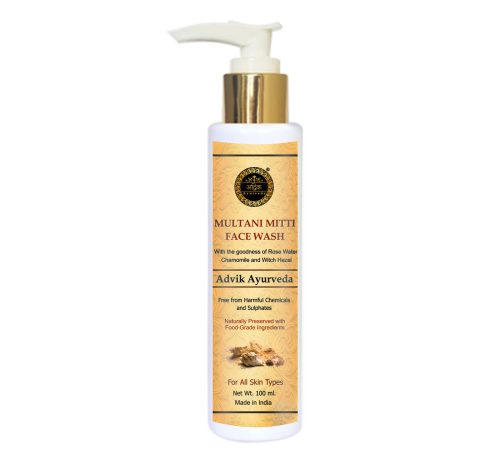
- Skipping the oil-cleansing step entirely and going straight to a stripping, sulfate-heavy face wash.
- Using the same routine year-round instead of adjusting richness with the season, something Ayurveda has always treated as essential.
- Layering too many active ingredients at once, overwhelming the skin instead of letting each one work.

Morning vs Evening: Should the Order Change?
Ayurveda treats morning and evening skin needs differently, much like modern dermatology does, just with its own reasoning behind the split.
- Morning: focus on protection. A lighter oil cleanse, hydrosol, a brightening serum, a lighter moisturizer, and always sunscreen to close the routine.
- Evening: focus on repair. This is when richer oils, deeper ubtan treatments, and heavier moisturizers make the most sense, since the skin is not competing with sun exposure or pollution overnight.
This split matters more than people expect. A rich night oil worn all day under makeup and pollution does little good, while a light morning moisturizer left on overnight misses the deeper repair window Ayurveda has always built the evening routine around.
When Products Alone Aren’t Enough
Even a perfectly layered routine has limits. Skincare works on what reaches the skin’s surface, but Ayurveda has always maintained that a good amount of what shows up on your face starts somewhere else entirely.
A well-layered routine can only do so much if the skin issue is actually rooted in digestion, hormones, or stress, areas Ayurveda has always linked to skin health. If your skin isn’t responding the way it should despite a consistent routine, MorningSun’s Skin Programs take a deeper, internal-imbalance approach, assessing diet, digestion, and dosha alongside topical care.
A Ritual Older Than the Routine
Long before skincare routines had numbered steps, Indian households were layering oils, pastes, and herbal waters with the same underlying logic. The haldi ceremony, still practiced at Indian weddings today, is built entirely around turmeric paste applied to bring out natural radiance before a major event, a tradition rooted in exactly the layering logic this guide describes.
Conclusion
Layering skincare the Ayurveda way isn’t about adding more steps, it’s about understanding what each product is actually made of and letting that decide the order. Start with an oil-based cleanse, move to a hydrating hydrosol, layer in a targeted serum, seal it with a natural moisturizer, and always finish with sunscreen. Get that sequence right, and even a simple routine starts working noticeably harder for your skin.
Build your complete natural routine today
FAQs:
Oil cleanse, hydrosol, serum, moisturizer, then sunscreen, in that order.
It removes impurities gently without stripping the skin’s natural barrier.
It’s optional, but it helps the next layers absorb more effectively.
Yes, applying products out of order can block absorption entirely.
Yes, Vata, Pitta, and Kapha skin each need different textures and richness.
External Resources
1. American Academy of Dermatology — Should I Apply My Skin Care Products in a Certain Order? (board-certified dermatology association)
2. PubMed — Effects of Turmeric (Curcuma longa) on Skin Health: A Systematic Review (peer-reviewed clinical research)
3. NCCIH — Ayurvedic Medicine: In Depth (U.S. National Center for Complementary and Integrative Health)
Leave a Reply