

Open any skincare aisle and you will see forty jars. Each one promises glow, repair or youth. Add the word “Ayurveda” and the choices seem to double. So where does a beginner start?
Start small. An ayurvedic skincare starter kit gives you a short list of plant-based steps that work together. You do not need ten products. You need a few that suit your skin, your climate and your daily life.
This guide is for first-timers. That includes readers in the US, UK, Canada, the Gulf and Australia who want to bring Indian self-care into a busy home routine. You will learn what goes into a kit, how to match it to your skin, and how to test and use it safely.
Ready to begin?
What Is an Ayurvedic Skincare Starter Kit?
A starter kit is a small bundle of core products that cover the basic steps of skincare: cleanse, tone, nourish, exfoliate and protect. The “Ayurvedic” part means the products lean on traditional ingredients such as saffron, sandalwood, turmeric, rose and herbal oils.
A good kit is not a cure. It will not replace a dermatologist when acne, eczema or dark patches do not settle. What it can do is give your skin a clean, steady base to work from.
How Ayurveda Looks at Skin
Ayurveda is India’s traditional system of health. It treats skin as a mirror of your overall balance. Food, sleep, stress and the season all show up on your face. That is why Ayurvedic skincare feels slower and gentler than trend-driven routines. It asks you to use fewer products, more regularly.
Care from the outside works best when habits support it from the inside. If you later want guidance that goes beyond products, MorningSun offers personalised skin and hair programs that look at lifestyle as well as routine.
Why a Kit Works Better for Beginners
Buying single products one by one often goes wrong. You pick a cleanser from one shelf, an oil from another and a scrub from a friend’s tip. The products may not suit each other, and you cannot tell which one caused a breakout.
A kit solves three problems at once.
- It keeps the routine short, so you actually follow it.
- It limits new variables, so you can spot what helps and what irritates.
- It often costs less than buying every item alone.
Think of it as a trial run. After four to six weeks, you will know which steps you enjoy and which ones to upgrade.
Know Your Skin Before You Buy

Ayurveda describes three body types, called doshas: Vata, Pitta and Kapha. Most people lean toward one or two. You do not need to be an expert. A rough sense of your skin type helps you read labels better.
Vata-Leaning Skin: Dry and Thin
Skin feels tight after washing and may flake in cold months. Choose creamy cleansers and richer oils such as almond or sesame.
Pitta-Leaning Skin: Sensitive and Warm
Skin turns red easily and may react to strong products. Look for cooling ingredients like rose water and sandalwood, and avoid harsh scrubs.
Kapha-Leaning Skin: Oily and Thick
Skin looks shiny by noon and pores can feel clogged. Light textures and a gentle weekly scrub work best.
Not sure which type you are?
If you live abroad and cannot visit an Ayurvedic practitioner in person.
The Five Natural Skincare Essentials in a Starter Kit

Every solid kit covers five jobs. Here is what each one does and what to look for.
1. Gentle Cleanser
Cleansing removes dirt, sweat and sunscreen. Look for a mild herbal cleanser that does not foam heavily. If your skin feels squeaky after washing, the product is too strong. Use lukewarm water, never hot.
2. Toner or Rose Water
A toner is a light mist or liquid that calms skin after cleansing. Rose water is the classic choice in Indian homes. It is cooling, light and suits most skin types. Pick one that lists only rose and water, with no added fragrance.
3. Moisturiser or Facial Oil
Skin needs a seal to hold in water. A light cream suits oily skin. A facial oil, such as almond or a traditional herbal blend, suits dry skin. Use two to three drops, not a palmful. More product does not mean more benefit.
4. A Weekly Scrub or Ubtan
Ubtan is a traditional paste made from flours, herbs and spices. It lifts dead skin cells and leaves skin smooth. The Kesar Ubtan Face Scrub from Advik Ayurveda is one example of this step. Use a scrub once or twice a week. Daily scrubbing damages the skin barrier.
5. Sunscreen
Many Ayurvedic kits leave out sunscreen, yet it protects your skin more than any other step. The American Academy of Dermatology advises a broad-spectrum, water-resistant sunscreen with SPF 30 or higher, and has a clear guide to applying sunscreen. Add one to your morning routine, even in winter.
What to Leave Out of a First Kit
A beginner kit should feel calm. Skip products that promise overnight change, list no ingredients, or lean on strong fragrance. Avoid undiluted essential oils on the face. If a product stings the moment you apply it, rinse it off and do not repeat it.
A Simple Daily and Weekly Routine

Morning (about 5 minutes)
- Rinse or cleanse with lukewarm water.
- Mist rose water or apply your toner.
- Add two to three drops of oil, or a pea-sized amount of light moisturiser.
- Finish with sunscreen.
Evening (about 7 minutes)
- Cleanse to remove the day’s dirt and sunscreen.
- Tone with rose water.
- Massage oil or moisturiser upward with clean fingers for one minute.
Weekly
- Use your ubtan or face scrub once or twice, then moisturise.
- Skip the scrub if your skin looks red or feels sore.
Massage matters in Ayurveda. Slow oil massage, known as abhyanga, is a long-standing habit. If you enjoy self-massage, DeshSansaar explains the idea in plain language in its guide to Ayurveda’s view on aging gracefully.
A 30-Day Starter Plan
Adding everything at once makes it hard to spot a reaction. Build your routine in steps instead.
- Week 1: Use only your cleanser and sunscreen. Patch test the other products during this week.
- Week 2: Add rose water or your toner.
- Week 3: Add your moisturiser or facial oil.
- Week 4: Add the ubtan or scrub once, then review how your skin feels.
At the end of the month, note what changed. Is your skin calmer? Less tight? Fewer new spots? Keep what works and drop what does not.
Common Ayurvedic Ingredients Explained
Labels in a beginner kit often use both Sanskrit and English names. Here is what you are likely to see, and what each one is traditionally used for.
- Kesar (saffron): used in Indian beauty rituals for a brighter, more even look.
- Chandan (sandalwood): valued for its cooling feel, often chosen for warm, sensitive skin.
- Haldi (turmeric): a classic in face masks and ubtan. It can stain, so test it on a small area first.
- Gulab jal (rose water): a light, soothing mist used after cleansing.
- Neem: a bitter herb traditionally used in cleansers for oilier skin.
- Aloe vera: a light, watery gel used for hydration and after-sun comfort.
- Almond and sesame oil: base oils that nourish dry skin.
These uses come from tradition. Results vary from person to person, so treat them as a guide and not a promise.
Who Should Be Extra Careful?
Some people need a doctor’s advice before trying any new product. That includes anyone who is pregnant or nursing, people with eczema, rosacea or psoriasis, and anyone using prescription skin treatments. Parents should also check with a doctor before using herbal products on children’s skin. A simple call or visit can save weeks of discomfort.
How to Choose Beginner Ayurveda Skincare Products Safely
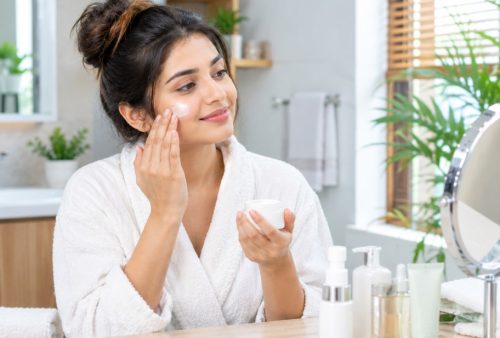
“Natural” does not always mean “safe.” Use these checks before you buy.
Read the Full Ingredient List
Honest brands list every ingredient. Be wary of kits that only say “herbal blend.” If you have a known allergy to nuts, saffron or fragrance, check for them first.
Do a Patch Test
Dermatologists at the American Academy of Dermatology suggest testing a new product on a small spot of skin twice a day for seven to 10 days before using it widely. They also point out that labels like “natural” or “hypoallergenic” do not guarantee a product will not cause a reaction. You can read their testing steps. Add one new product at a time so you can trace any reaction.
Choose a Maker That Is Open About Quality
Health agencies in the US have warned that some Ayurvedic medicines taken by mouth can contain lead, mercury or arsenic. A Minnesota Department of Health fact sheet explains the risk. Face creams and scrubs are a different category, but the lesson holds: pick brands that share ingredient lists and clear contact details. For official background on India’s Ayurveda system, see the Ministry of Ayush.
Check the Date and the Pack
Plant-based products have a shorter shelf life. Look for an expiry date or a period-after-opening symbol. Keep jars away from direct sun and use clean fingers or a small spatula.
Store Your Kit the Right Way
Good storage keeps plant-based products fresh and safe. Keep them in a cool, dry spot, not on a sunny windowsill or in a steamy bathroom. Close lids tightly after every use. Never add water to a jar or bottle, because it can invite bacteria. Wash your hands before you touch the product, and keep a small spatula for any jar.
If the colour, smell or texture changes, stop using the product. A sour smell or visible mould means it is time to throw it away, even if the date has not passed.
Tips for NRIs and International Buyers

Many readers abroad want to bring a little of home to the bathroom shelf. A few practical points help.
- Match your routine to your climate. Dry indoor heating in the UK or Canada calls for richer oils than humid weather in Singapore or Dubai.
- Check your country’s import rules for skincare before ordering in bulk. Rules differ by product type.
- Start with one kit, not a large stock. Shelf life matters.
- Choose a sunscreen sold in your own country so the label meets local standards.
- To see how Ayurveda fits into everyday health in India, DeshSansaar’s Ayurveda guides explain it without jargon.
Want a kit made for first-timers?
Common Beginner Mistakes to Avoid
- Starting everything at once. Add one product at a time.
- Over-scrubbing. More scrubbing brings more irritation, not cleaner skin.
- Skipping sunscreen. Herbal ingredients do not replace sun protection.
- Expecting results in three days. Give your skin at least four weeks.
- Ignoring a reaction. Stop at the first burning, swelling or rash, and see a doctor if it continues.
- Mixing with prescription creams without advice. Ask your dermatologist first.
How Long Before You See Results?
Skin renews itself over several weeks. Most beginners notice calmer, smoother skin after four to six weeks of steady use. Deeper concerns take longer, and some need medical care. Take a weekly photo in the same light so you can judge progress fairly.
Your First Step Is Simple
A first kit is not about owning more. It is about doing a few things well: cleanse gently, tone lightly, moisturise, scrub once a week and protect from the sun. Learn your skin type, test before you commit and give the routine a month. Small, steady habits beat any trend.
FAQs:
Usually a cleanser, toner or rose water, moisturiser or oil, a weekly scrub, and sometimes a face mask.
Often gentle, but natural ingredients can still irritate. Patch test for seven to 10 days before regular use.
Once or twice a week is enough. Daily scrubbing can damage the skin barrier and cause redness.
Most people notice calmer, smoother skin after four to six weeks of steady use.
Yes. Herbal ingredients do not replace sun protection. Use broad-spectrum SPF 30 or higher every morning.
Yes. Adjust oils to your climate and check your country’s import rules before ordering.
Ask your dermatologist first. Herbal products may add irritation to prescription treatments.
Leave a Reply