

Hair that feels like straw is frustrating. It snaps in the comb, looks dull in photos and refuses to hold a style. If that sounds familiar, you are not alone. Heat tools, colour, pollution and hard water hurt hair in every country.
The good news is simple. Ayurvedic solutions for damaged hair work on the cause, not just the surface. They combine herbal oils, gentle washing, good food and steady habits. This guide explains each part in plain words, so you can start today, whether you live in India or abroad.
Why Hair Becomes Dry and Damaged: The Ayurvedic View
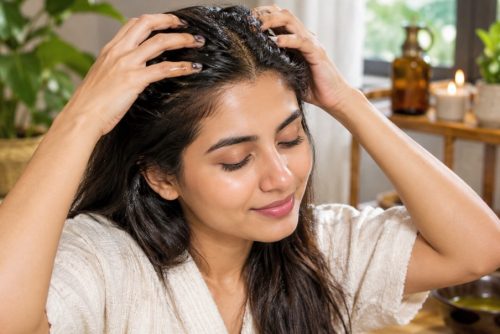
Ayurveda sees hair as a by-product of healthy bone tissue, called asthi dhatu. When the body is well nourished, hair tends to stay strong and shiny. When nourishment drops, hair turns thin, rough and brittle.
Vata imbalance and dry hair
Vata is the dosha linked to dryness, wind and movement. Too much vata shows up as frizz, split ends and a rough scalp. Cold weather, irregular meals, travel and late nights all push vata up. That is why many people notice worse hair after a long flight or a harsh winter.
Daily habits that make it worse
Modern habits add to the problem. Skin doctors list several common culprits. For example, rubbing shampoo along the full length, brushing wet hair and using hot tools often can all weaken strands. You can read the full list in this guide on habits that damage your hair from the American Academy of Dermatology.
Meanwhile, sun, salty water and chlorine strip natural oils. Colouring and chemical straightening open the hair cuticle. As a result, hair loses moisture faster than it can recover.
Ayurvedic Solutions for Damaged Hair: The Core Ideas
Before you buy anything, understand the plan. Ayurveda repairs hair in four layers. Each layer supports the next one.
- Oil massage (shiro abhyanga): warm herbal oil feeds the scalp and coats the strands.
- Gentle cleansing: mild washing keeps natural oils in place.
- Inner nourishment: food, sleep and calm routines supply the raw material for new hair.
- Patience: hair grows about half an inch a month, so real change takes weeks, not days.
Skipping any one layer slows results. For instance, a great oil cannot fix hair that is washed with harsh soap every day. Likewise, a perfect diet will not help if you burn your ends with a flat iron.
Hair Repair Natural Oil: What to Look For

A good hair repair natural oil has two parts. First, a carrier oil such as sesame, coconut or almond. Second, herbs that have been used for centuries in Indian homes. Always check the label. Short ingredient lists with real herbs are better than long lists with fragrance.
Herbs that earn their place
- Bhringraj: called the “king of hair” in classical texts. Traditionally used for scalp care and hair strength.
- Amla: rich in vitamin C. Often used to support shine and a healthy scalp.
- Brahmi: known for its cooling nature. It suits people with a dry, stressed scalp.
- Hibiscus: used to add softness and slip, which helps reduce tangles.
- Neem: valued for scalp hygiene when flakes or itching show up.
Ayurveda also stresses that no single oil suits everyone. Dry, frizzy hair usually likes heavier oils such as sesame or almond. Fine or oily hair does better with lighter blends. If you want to compare formulas, this range of Ayurvedic hair care products lists oils built around these herbs.
How to apply oil the right way
- Warm the oil gently in a bowl of hot water. Never heat it on a flame.
- Part your hair into sections and massage the scalp with your fingertips for five minutes.
- Slide the leftover oil down to the ends, where damage shows first.
- Leave it on for at least one hour. Overnight is fine if your scalp does not get itchy.
- Wash with a mild shampoo. You may need two rounds to remove the oil fully.
Ready to try a herbal formula?
Almond Oil for Damaged Hair: Does It Really Help?

Almond oil is one of the easiest starting points. It is light enough to spread well yet rich enough to soften rough strands. It contains vitamin E and healthy fatty acids, which help smooth the hair surface and cut down frizz.
Best ways to use almond oil
- Pre-wash treatment: warm two tablespoons and coat from mid-length to ends. Leave for 45 minutes before washing.
- Split-end fix: rub two drops between your palms and smooth over dry ends after your hair dries.
- Blend: mix with a few drops of amla or bhringraj oil for extra scalp support.
A few cautions
Almond oil is a nut product. Therefore, do a patch test on your inner arm first, and wait a day. Skip it if you have a nut allergy. Also, use only a small amount on fine hair, because too much can leave it flat.
Almond oil softens hair, but it does not reverse deep damage alone. For best results, pair it with the full routine below. Think of it as one strong tool, not the whole toolbox.
A Weekly Ayurveda Hair Repair Routine
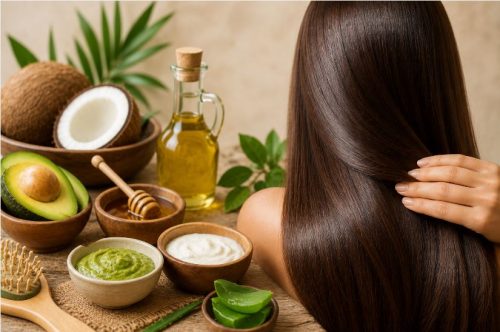
Consistency beats complexity. The plan below takes about 20 minutes of active time each week. Adjust the steps to your hair type and climate.
Step 1: Oil massage, once or twice a week
Follow the oiling steps above. For very dry hair, twice a week works well. For normal hair, once is enough.
Step 2: Wash gently
Use lukewarm water, not hot. Focus shampoo on the scalp only. The suds will clean the lengths as they rinse out. Afterwards, apply conditioner from mid-length to ends. Dermatologists also advise choosing products that match your hair type, as explained in these healthy hair tips.
Step 3: Weekly herbal mask
Mix two tablespoons of plain yogurt with one teaspoon of amla powder and one teaspoon of hibiscus powder. Add a little water if it feels thick. Apply for 20 minutes, then rinse well. Yogurt adds gentle moisture, while the herbs add slip.
Step 4: Dry and protect
- Pat hair with a soft cotton T-shirt instead of rubbing it with a towel.
- Air-dry whenever you can. When you must use heat, keep it low.
- Use a wide-tooth comb on wet hair, starting at the ends.
- Sleep with hair in a loose braid to cut friction.
Make the routine easier
Food, Sleep and Stress: The Inside Part of Hair Repair
No oil can replace good nutrition. Hair is made mostly of protein, and it needs iron, zinc and healthy fats to grow well. Ayurveda recommends warm, freshly cooked meals that calm vata.
- Add ghee, sesame seeds, soaked almonds and walnuts in modest amounts.
- Eat dal, paneer, eggs or lentils if you eat them, for steady protein.
- Include amla, citrus fruit and leafy greens for vitamin C and iron.
- Drink enough warm water through the day.
Sleep matters too. Hair follicles repair themselves during rest, so poor sleep can show up on your scalp within weeks. If late nights are your weak spot, these Ayurveda tips for better sleep from DeshSansaar offer simple evening habits that help you wind down.
Stress is the other quiet culprit. Short daily practices such as slow breathing, a ten-minute walk or a warm foot massage can help calm the nervous system. A calmer body usually grows healthier hair.
Hair Care Tips for NRIs and Travellers

Living abroad brings its own hair challenges. Hard tap water leaves mineral build-up. Indoor heating dries the air. Cold winds make strands brittle. Meanwhile, finding familiar herbs can be hard.
- Hard water: rinse your last wash with a cup of diluted apple cider vinegar once a month to remove build-up. Fit a shower filter if you can.
- Dry indoor air: use a humidifier at night and oil your ends more often in winter.
- Travel: carry a small bottle of oil and apply a drop to your ends before long flights.
- Sourcing: look for herbal blends that ship internationally, so you do not depend on a trip home.
The interest in these traditions is growing fast overseas. For a wider picture, read why Ayurveda is gaining popularity in the West and what people there are asking for.
When Home Remedies Are Not Enough
Home care works well for ordinary dryness and breakage. However, some signs need a professional opinion. See an Ayurvedic doctor or a dermatologist if you notice any of these:
- Sudden or patchy hair fall that lasts more than a few weeks.
- A very itchy, red or painful scalp.
- Hair that stays brittle even after two to three months of steady care.
- Hair changes that came with tiredness, weight changes or other health symptoms.
In such cases, a personal plan helps more than guesswork. Ayurveda looks at diet, digestion, stress and constitution together. You can explore how this works on the page about Ayurveda for health conditions on MorningSun. Some people also choose deeper cleansing therapies. If that interests you, this list of Panchakarma centers near Delhi NCR is a useful starting point.
Need personal guidance?
Visitors planning a longer stay can also browse verified options under Ayurveda wellness listings, which cover retreats and clinics across India.
Common Mistakes to Avoid
- Oiling too often: daily heavy oiling can clog the scalp. Stick to once or twice a week.
- Expecting overnight change: most people see softer hair in three to four weeks, and stronger hair after three months.
- Using hot oil: very hot oil can irritate the scalp. Warm is enough.
- Ignoring heat protection: the best routine fails if you flat-iron daily.
- Switching products every week: give each change at least a month.
Skin and hair often react to the same triggers. If you also want to refresh your face and body care, you can find gentle options in the natural skin care range too. For more guides like this one, visit the Advik Ayurveda blog.
Conclusion
Damaged hair rarely needs a miracle. It needs warm oil, gentle washing, steady food and enough rest. Start with one change this week, such as a weekly oil massage with almond oil or a herbal blend. Add the other steps slowly, and give your hair three months to show the difference.
Start your hair repair today?
FAQs:
Most people notice softer hair in three to four weeks. Visible strength usually needs two to three months.
Daily use can weigh hair down. Two or three times a week is enough for most people.
Bhringraj, amla, brahmi and hibiscus are popular choices, used in classical Ayurvedic hair oils.
Usually yes, but patch test first. Avoid heavy oils right before colouring, as they can block dye.
Overnight works if your scalp stays comfortable. Otherwise, leave oil on for one to two hours.
Yes. Low protein, iron or healthy fats can make hair thin and brittle, whatever oil you use.
Leave a Reply