

Winter skin doesn’t announce itself gradually. One week your skin feels normal, and the next, it’s tight after washing your face, flaky along the nose and chin, and reluctant to absorb the same moisturizer that worked fine a month ago. This shift isn’t random. Ayurveda has a specific explanation for it, and a specific way of responding that goes beyond simply switching to a “richer” cream.
Ayurvedic winter skincare tips center on one core idea: cold, dry, windy weather aggravates Vata, the dosha associated with movement, dryness, and cold qualities. When Vata rises, skin loses its natural oiliness and binding quality faster than usual. Understanding this framework changes how you approach winter skin, from a random hunt for a better moisturizer to a structured, seasonal ritual.
Why Winter Skin Behaves Differently, According to Ayurveda
Every season, in Ayurvedic thinking, shifts the balance of the three doshas, Vata, Pitta, and Kapha, and skin responds accordingly. Winter is dominated by Vata’s qualities: dry, light, cold, rough, and mobile. This is why winter dryness often shows up not just as flakiness but as a kind of restlessness in the skin, redness that comes and goes, sensitivity that wasn’t there in warmer months, and a general feeling that the skin can’t hold onto moisture no matter how much product is applied.
This is also why a purely “add more moisturizer” approach often falls short. Ayurveda addresses winter dryness by countering Vata’s qualities directly: warmth, heaviness, and oiliness, applied consistently rather than as an occasional treatment.
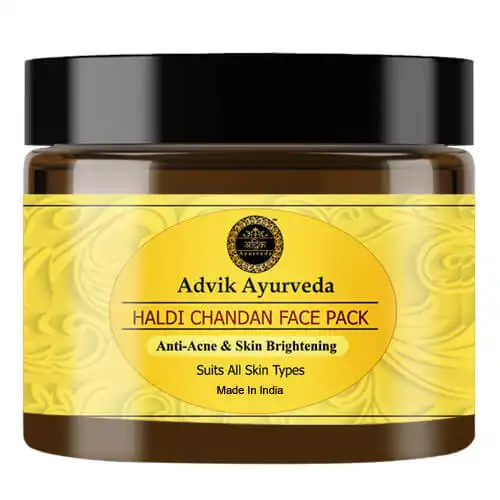
Build your winter ritual with formulations made for this exact season.
Building a Winter Face Care Natural Ritual: Morning
Start With Oil, Not Water
Washing a dry, winter-stressed face with just water or a foaming cleanser first thing in the morning often strips whatever natural oil accumulated overnight. Instead, a light cleansing oil or a few drops of a facial oil massaged in gently, then wiped with a warm damp cloth, cleans without stripping. This single swap addresses one of the most common ways winter routines unintentionally worsen dryness.

Warm, Never Hot, Water
Hot water feels comforting in cold weather but actively breaks down the skin’s natural lipid barrier faster than lukewarm water. Rinsing with water just above room temperature protects the barrier you’re otherwise working hard to rebuild.
Layer a Facial Oil Under Moisturizer
Ayurvedic dry skin remedies frequently center on facial oils rather than water-based serums during winter, since oils address the root Vata quality directly. A few drops of a nourishing oil such as sesame, almond, or a formulated blend like kumkumadi tailam, applied before a moisturizer, creates a barrier that holds hydration in far more effectively than moisturizer alone. Our guide on ayurvedic body oils for dry skin covers oil selection for the rest of the body in more depth.
Building a Winter Face Care Natural Ritual: Evening
Double Cleanse, Gently
Evenings call for removing the day’s buildup without over-stripping already stressed skin. A gentle oil-based cleanse followed by a mild, non-foaming cleanser removes impurities while leaving the skin’s natural barrier largely intact, unlike harsher foaming cleansers that can leave dry skin feeling tighter than before washing.
Warm Oil Massage Before Bed
A brief facial massage with warm oil, using upward, circular motions for three to five minutes, does more than moisturize. It stimulates circulation, which Ayurveda considers essential for skin that has become sluggish and dull under Vata’s cold, heavy influence during winter months.
Seal With a Richer Night Cream
Night is when skin repairs itself, and a heavier, more occlusive cream than you’d use in summer helps lock in the oil and any hydrating ingredients applied underneath. This is the one time of year a genuinely rich texture, rather than a light gel, earns its place in the routine.

Ready to build your winter ritual with formulations made for this exact season?
Ayurveda Moisturizing Tips Beyond the Basic Routine
Choose Oils by Their Warming Quality
Not all oils behave the same way in Ayurvedic terms. Sesame oil is considered warming and especially suited to Vata-driven winter dryness, while almond oil offers a lighter, still nourishing alternative for those who find sesame oil too heavy on the face. Coconut oil, by contrast, is cooling and generally better suited to summer than deep winter use on already dry skin. Our guide to choosing an Ayurvedic moisturizer by skin type and season goes deeper into this selection process.
Don’t Neglect Lips, Hands, and Under-Eyes
These areas show Vata imbalance fastest because the skin is thinner and has fewer natural oil glands. A small amount of ghee or a concentrated balm applied to lips and cuticles nightly prevents the cracking that’s difficult to reverse once it starts.
Support Skin From the Inside
Ayurveda treats internal hydration as equally important to topical care during winter. Warm, cooked, slightly oily foods, along with a spoon of ghee added to meals, are traditionally recommended during Vata season to support skin from within, alongside adequate water intake despite reduced winter thirst cues.
A Weekly Winter Face Mask Ritual
Beyond the daily routine, a once or twice weekly treatment mask gives dry winter skin an extra boost of nourishment that daily products alone don’t fully provide.
A simple Ayurvedic option combines a small amount of raw milk or yogurt, a teaspoon of honey, and a pinch of turmeric, mixed into a thin paste and left on the skin for ten to fifteen minutes before rinsing with lukewarm water. Milk offers gentle lactic acid exfoliation without the harshness of stronger chemical exfoliants, honey draws in moisture, and turmeric supports circulation and a healthy glow, though it should be used in small amounts and rinsed thoroughly to avoid temporary staining.
For deeper hydration, a mask combining mashed ripe banana or avocado with a few drops of almond oil provides a heavier, more occlusive treatment suited to genuinely parched skin, best used the night before a day you don’t need to rush out the door.
Building a Winter Skincare Kit
A focused set of ingredients and products covers most of what dry winter skin needs, without requiring an overwhelming routine:
- A gentle, non-foaming cleanser or cleansing oil that doesn’t strip natural oils during the first cleanse of the day.
- A warming facial oil, such as sesame, almond, or a formulated Ayurvedic blend, used both morning and night under moisturizer.
- A rich, occlusive night cream or balm for sealing in moisture before bed.
- A concentrated lip and cuticle balm, ideally with ghee or shea butter, applied nightly.
- A humidifier for bedrooms and main living spaces during the driest months.
- A gentle exfoliant used no more than once a week, rather than the two to three times a week that might suit oilier seasons.
Having these on hand before dryness sets in, rather than scrambling once skin is already cracked and uncomfortable, makes the difference between a manageable winter and an uncomfortable one.

Common Mistakes That Undermine Winter Skincare
Using the same routine year-round. A lightweight summer moisturizer or gel simply isn’t formulated to counter the intensity of winter dryness, no matter how consistently it’s applied.
Over-exfoliating. Dry, sensitive winter skin needs less frequent exfoliation than other seasons, not more. Stripping away the already-compromised barrier delays recovery rather than speeding it up.
Skipping oil because it feels heavy at first. Many people abandon facial oils within days because they feel unfamiliar, not because they aren’t working. Given a week of consistent use, most dry skin adapts and starts absorbing oil more readily.
Ignoring indoor heating’s effect. Central heating dries indoor air significantly, often as much as outdoor cold. A humidifier in the bedroom, alongside topical care, addresses a source of dryness many people overlook entirely.

Skip the trial-and-error and start with formulations built for winter dryness.
How Long Before You Notice a Difference
Skin barrier repair isn’t instant. Most people following a consistent oil-first, warmth-focused routine notice reduced tightness and flaking within one to two weeks, with fuller texture and tone improvement over four to six weeks. Consistency through the coldest months matters more than switching products repeatedly in search of faster results.
When Dry Skin Needs More Than a Routine Change
If dryness is accompanied by persistent redness, cracking that bleeds, or intense itching that disrupts sleep, it’s worth ruling out conditions like eczema or a reaction to a specific product with a dermatologist, rather than assuming a seasonal routine alone will resolve it. Ayurvedic care works well as ongoing seasonal support, but it isn’t a substitute for diagnosis when symptoms look more severe than typical winter dryness. If you’re weighing how much of your skin concern is genuinely Ayurvedic in nature versus something needing medical attention, our sister site’s guide to evaluating Ayurvedic treatment is a useful starting point for thinking through that distinction.
Conclusion
Ayurvedic winter skincare tips work because they address the actual cause of winter dryness, rising Vata, rather than just adding another layer of product. Start with oil instead of water, choose warming oils suited to the season, and build a consistent morning and evening ritual rather than reaching for a new product every time skin feels tight. Give the routine a few weeks, and let warmth and consistency do the work cold weather keeps undoing.
FAQs:
Cold, dry air and indoor heating strip moisture faster, requiring richer, oil-based products to compensate.
Sesame oil is traditionally favoured for its warming quality; almond oil suits those wanting something lighter.
No, over-exfoliating worsens dryness; gentle, infrequent exfoliation works better for winter skin.
Most people notice less tightness within one to two weeks, with fuller improvement over four to six weeks.
Yes, warm, slightly oily foods and adequate hydration support skin from within during Vata season.
Leave a Reply