
Achieving radiant, healthy skin is a universal desire. Among the myriad of skincare products available, a face pack stands out as an effective solution for addressing various skin concerns. The best face pack can rejuvenate the skin, enhance its texture, and provide a refreshing glow. This post goes through five types of face packs, their benefits, key ingredients, and how to choose the right one for your skin type.

What are Face Packs?
A face pack is a topical treatment designed to be applied to the skin for a specific period, allowing it to absorb beneficial ingredients. Unlike regular face masks, which may be designed for daily use, face packs often contain concentrated active ingredients targeting specific skin concerns. They work by delivering nutrients directly to the skin, improving its overall health and appearance.
Benefits of Using the Best Face Pack
- Deep Cleansing: The best face pack is one that effectively removes impurities, excess oil, and dead skin cells, promoting a clearer complexion.
- Hydration: Many face packs contain hydrating ingredients that replenish moisture, making the skin feel soft and supple.
- Exfoliation: Some face packs incorporate gentle exfoliating agents that remove dead skin cells, revealing brighter, smoother skin.
- Nourishment: A well-formulated face pack delivers vitamins, minerals, and antioxidants that nourish the skin, enhancing its vitality.
- Targeted Treatments: Whether addressing acne, dullness, or aging, the best face pack can target specific skin issues with tailored ingredients.
Types of Face Packs
1. Clay Face Packs
Clay face packs are ideal for oily and acne-prone skin. They draw out impurities, absorb excess oil, and unclog pores. Ingredients like bentonite and kaolin clay are popular choices due to their ability to purify the skin. Clay face packs leave the skin feeling refreshed and rejuvenated.
2. Cream or Gel Face Packs
Cream or gel face packs are suitable for dry or sensitive skin. These packs often contain moisturizing ingredients like aloe vera, shea butter, or hyaluronic acid. They provide hydration, soothe irritation, and improve skin texture. Creamy formulations create a barrier that locks in moisture, leaving the skin feeling plump and nourished.
3. Sheet Masks
Sheet masks are pre-soaked fabric masks infused with serums that cater to various skin concerns. They offer convenience and immediate results. Sheet masks provide hydration, brighten the complexion, and target specific issues like fine lines or dullness. They are perfect for a quick skin boost before special occasions.
4. Peel-off Face Packs
Peel-off face packs provide a unique experience by drying into a film that can be peeled away, along with impurities and dead skin cells. These packs often contain exfoliating ingredients, making them effective for achieving smooth, radiant skin. However, they may not be suitable for sensitive skin types due to their potential for irritation.
5. Herbal Face Packs
Herbal face packs incorporate natural ingredients like turmeric, neem, and sandalwood. They are known for their soothing and healing properties. Herbal packs are suitable for various skin types and can address issues like acne, pigmentation, and dullness. Their natural formulation makes them a popular choice among those seeking gentle yet effective treatments.
Key Ingredients to Look for in the Best Face Pack
When selecting the ideal or best face pack for yourself, consider the following key ingredients based on your skin type and concerns:
- Charcoal: Known for its detoxifying properties, activated charcoal effectively draws out impurities, making it ideal for oily and acne-prone skin.
- Honey: A natural humectant, honey provides hydration and possesses antibacterial properties that benefit acne-prone skin.
- Green Tea: Rich in antioxidants, green tea combats free radicals and reduces inflammation, making it suitable for sensitive skin.
- Vitamin C: Known for its brightening effects, vitamin C enhances radiance and targets pigmentation issues.
- Aloe Vera: Renowned for its soothing properties, aloe vera hydrates the skin and alleviates irritation, making it suitable for all skin types.
How to Apply the Best Face Pack
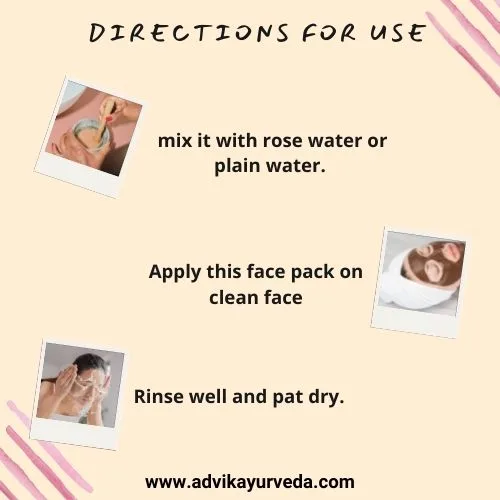
Proper application of the best face pack is crucial for maximizing its benefits. Follow these steps for effective use:
- Cleanse: Begin by cleansing the face to remove dirt, oil, and makeup. This prepares the skin for better absorption of the face pack.
- Apply: Use clean fingers or a brush to evenly apply the face pack on the face and neck, avoiding the eye area. Ensure even coverage for consistent results.
- Relax: Allow the face pack to sit for the recommended time, usually between 15 to 30 minutes. This allows the ingredients to penetrate the skin effectively.
- Rinse: Gently rinse the face pack off with lukewarm water. Use circular motions to exfoliate the skin lightly, enhancing the removal of dead skin cells.
- Moisturize: After rinsing, follow up with a suitable moisturizer to lock in hydration and nourishment.
Tips for Choosing the Best Face Pack
- Identify Your Skin Type: Choose a face pack that caters to your specific skin type, whether oily, dry, combination, or sensitive.
- Check Ingredients: Look for face packs with natural, effective ingredients that align with your skincare goals.
- Patch Test: Perform a patch test before applying a new face pack to avoid potential allergic reactions or irritation.
- Consistency: Incorporate the face pack into your skincare routine regularly for optimal results.


Summarizing
Finding and using the best face pack can significantly enhance your skincare regimen, providing targeted solutions for various skin concerns. Whether seeking hydration, exfoliation, or a radiant glow, the right face pack can rejuvenate the skin and restore its natural beauty. By understanding your skin type, choosing the right ingredients, and applying the face pack correctly, you can achieve the glowing, healthy complexion you desire. Embrace the benefits of the best face pack and enjoy the transformative effects on your skin.
FAQs
1. What is a face pack?
A face pack is a topical treatment applied to the face that can cleanse, nourish, and rejuvenate the skin. It typically contains various ingredients designed to target specific skin concerns.
2. How often should I use a face pack?
Using a face pack 1-2 times a week is generally recommended. However, this can vary based on your skin type and the specific ingredients in the pack.
3. What are the benefits of using a face pack?
Face packs can provide multiple benefits, including deep cleansing, exfoliation, hydration, and brightening. They can also address specific skin issues like acne, dullness, and uneven skin tone.
4. How do I choose the right face pack for my skin type?
Select a face pack based on your skin type:
- Oily skin: Look for clay-based or charcoal packs to absorb excess oil.
- Dry skin: Choose moisturizing packs with ingredients like honey or aloe vera.
- Sensitive skin: Opt for soothing packs with natural ingredients, avoiding harsh chemicals.
5. Can I make a face pack at home?
Yes! Many effective face packs can be made at home using natural ingredients like yogurt, honey, oatmeal, and fruits. DIY packs can be customized to suit your skin’s needs.
6. How long should I leave a face pack on?
Most face packs should be left on for about 10-20 minutes, but always refer to the specific instructions on the product or recipe you are using.
7. Are there any side effects of using face packs?
While most face packs are safe, some may cause irritation, especially if you have sensitive skin. It’s best to perform a patch test before applying a new product to your face.
8. Can I use a face pack before an important event?
Yes, using a face pack before a special occasion can enhance your skin’s appearance, giving it a radiant and fresh look. Just be sure to use it at least a few hours prior to avoid any potential irritation.
9. What should I do after using a face pack?
After rinsing off the face pack, follow up with a toner, serum, or moisturizer to lock in hydration and benefits. This will enhance the results and keep your skin nourished.
10. Are there specific face packs for men?
While many face packs are suitable for all skin types, some products are specifically formulated for men’s skin, which can be thicker and oilier. Look for packs that address common concerns like oiliness, dullness, and acne.
Leave a Reply