
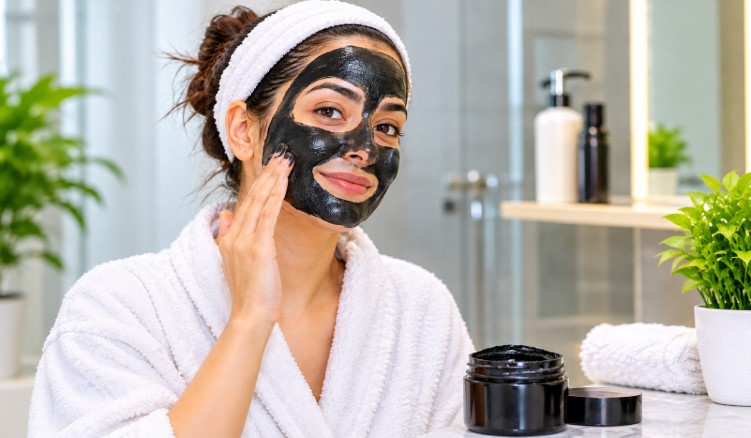
Black masks look dramatic. They go on thick, dry fast, and promise a deep clean. That is why so many people reach for one after a long day or a polluted commute. But the same mask that feels so satisfying can leave your face red, tight, or sore if you use it the wrong way.
If you are reading about charcoal mask side effects, you are asking the right question before you buy. This guide explains what can go wrong, who is more likely to react, and how to use a charcoal mask without harming your skin barrier. It is written for readers in India and abroad, including NRIs and overseas customers who deal with very different weather, water, and skin needs.
One note first. This article is general education, not medical advice. If your skin is already inflamed, or you have a skin condition, speak to a dermatologist before trying any new mask.
What a Charcoal Mask Actually Does
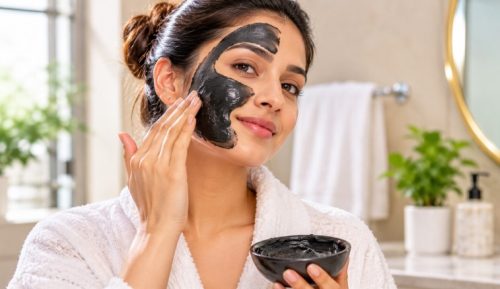
Most charcoal masks use activated charcoal, a fine black powder with a very porous surface. It can soak up oil and surface dirt, which is why the mask feels like it is pulling things out of your pores.
Here is the part that ads rarely mention. Research on charcoal for facial skin is thin. Skin experts at UPMC HealthBeat point out that studies have not proved charcoal can purify skin, exfoliate it, or slow ageing. Oil control is the benefit you can reasonably expect, and even that is modest.
The rest of the formula matters just as much. A mask may also contain clay, gelling agents, fragrance, preservatives, or film-forming polymers if it is a peel-off type. Charcoal itself rarely triggers allergies. The other ingredients in the pot are more often the problem.
Is Charcoal Mask Safe?
For most healthy adults, a well-made charcoal mask is safe when used occasionally and exactly as directed. Safe does not mean harmless for everyone, though. The risk depends on three things: the type of mask, your skin type, and how often you use it.
Peel-off masks carry the highest risk. They grip the skin and fine facial hair, so removal can hurt. Dermatologist Melissa Piliang of the Cleveland Clinic compared the pull to waxing the face and noted that it can lift the outer layer of skin that protects you, as reported by TIME and Health.com.
Rinse-off masks are usually gentler because you wash them away instead of ripping them off. They can still dry you out if you leave them on for too long.
So, is charcoal mask safe? Yes for many people, if you pick the right formula, test it first, and keep the routine light.
Want a mask you can check before you buy?
Common Charcoal Mask Side Effects

These are the problems people report most often, along with what usually causes each one.
Dryness, Tightness, and Flaking
Charcoal and clay both absorb oil. That helps oily zones, but they do not know when to stop. If the mask dries fully and stays on too long, it can pull moisture from your skin as well. You may notice tightness, rough patches, or flaking an hour later. Overuse can weaken the skin barrier, and a weak barrier loses water faster.
Redness and Irritation
Scrubbing a mask off, peeling it too fast, or masking over freshly exfoliated skin can cause redness and a burning feeling. This is irritant contact dermatitis. The NHS explains that irritant reactions usually show up straight away or within 48 hours.
Pain, Stripped Skin, and Tiny Cuts
Peel-off formulas can take surface skin and hair with them. People who peel the mask from the cheeks, jawline, or upper lip often feel the sting. Repeated stripping leaves skin raw and more likely to react to everything else in your routine.
Allergic Reactions
An allergic reaction is different. It is a delayed immune response to an ingredient, often a fragrance or preservative. It may appear one to three days later as an itchy, red, swollen, or blistered rash. The American Academy of Dermatology also cautions that products labelled unscented or plant-based may still contain fragrance-related ingredients. Natural on the label does not mean safe on your face.
Breakouts
A thick mask can leave residue in pores if you do not rinse well. Over-drying may also push skin to make more oil. Some people see new whiteheads or small bumps a day or two after masking.
Marks and Uneven Tone
Repeated irritation can leave dark marks, especially on deeper skin tones. Some sources also warn that harsh peel-off masks may cause lighter patches in people with darker skin. This is not common, but it is a good reason to avoid aggressive peeling.
Who Should Be Extra Careful

Take more care, or skip charcoal masks, if any of these apply to you:
- Your skin stings or flushes easily with new products
- You have eczema, rosacea, psoriasis, or open acne sores
- You have a sunburn, cuts, or a recent wax, thread, peel, or laser session
- You use retinoids or exfoliating acids at the moment
- Your skin is very dry or mature and loses moisture quickly
Charcoal Mask for Sensitive Skin: What to Do
Sensitive skin and charcoal masks are not a perfect match, but some people can use them with firm limits. If you want to try one, follow these rules:
- Pick a rinse-off formula, not a peel-off one
- Choose fragrance-free and avoid strong essential oils
- Apply only on the T-zone, where skin is oilier, and skip the cheeks
- Keep the first sessions short and rinse before the mask fully dries
- Start with one session every 10 to 14 days
- Rinse straight away if you feel stinging or heat
Ayurveda also looks at sensitivity differently from most brands. A reactive, easily flushed complexion is linked with Pitta, which does better with cooling and calming care than with drawing, drying care. You can read more about this in MorningSun’s guide to a holistic approach to skin radiance, and its personalised skin and hair programs show how routines are matched to the person.
How to Avoid Charcoal Mask Side Effects, Step by Step
Step 1: Patch Test for 7 to 10 Days
Dermatologists at the American Academy of Dermatology suggest testing on a quarter-sized spot, such as the inner arm or the bend of the elbow, twice a day for seven to ten days. Use the same amount you would normally apply. For a rinse-off product, leave it on for about five minutes or as long as the directions say. If red, itchy, or swollen skin appears, wash it off and stop using it.
Step 2: Read the Label Before You Buy
Look for a short, clear ingredient list. Check for added fragrance, alcohol, and essential oils, which are common triggers for sensitive skin. Read the directions for how long the mask should stay on. If a product gives no usage guidance at all, treat that as a warning sign.
Step 3: Prepare the Skin Gently
Wash with lukewarm water and a mild cleanser. Do not scrub. Skip masking for a few days after waxing, threading, shaving, peels, or retinoid use, because your skin barrier is already stressed.
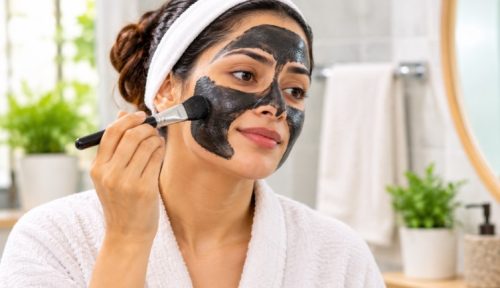
Step 4: Apply a Thin, Even Layer
Use clean fingers or a clean spatula, not a finger dipped back into the jar. Keep the mask away from your eyes, lips, eyebrows, and hairline. A thin layer is enough. A thick coat does not clean better. It only takes longer to dry and harder to remove.
Step 5: Watch the Clock
Follow the time on the pack. As a rule, rinse a clay-based mask while it is still slightly damp, not bone dry. If your face feels tight before the timer ends, wash it off early.
Step 6: Rinse Well and Moisturise
Rinse with lukewarm water and pat dry. Do not rub. Dr. Piliang suggests a gentle cleanser followed by a non-comedogenic moisturiser after a charcoal peel-off, and the same logic works for any charcoal mask. A fragrance-free moisturiser or a plain aloe gel helps your skin recover.
Step 7: Keep It Occasional
Once a week is a sensible ceiling for most oily skin. Sensitive, dry, or combination skin often does better with less. If you use a mask every day because your skin feels oily again by evening, the mask is not the answer. A simpler cleanser and a light moisturiser may help more.
Not sure which skin type you have?
Face Mask Safety Tips for NRIs and Travellers

Your skin changes when your surroundings change. A mask that felt fine in humid Mumbai may feel harsh in a heated flat in Toronto or London. These face mask safety tips help when you live abroad or travel often.
- Dry indoor heating in winter calls for fewer masks and more moisturiser
- Hard tap water can leave residue, so rinse longer and use a soft cloth
- Skip masks on a flight day, since cabin air already dehydrates skin
- Store jars away from heat and humidity, and never share them
- Buy from the brand or an authorised seller and check the expiry and batch details
- Stop using any product that smells off, changes colour, or looks contaminated
If you plan a trip to India for skin or wellness care, MorningSun lists cosmetic dermatology options in India that are useful when a product reaction needs a proper medical opinion. NRIs who want a routine they can follow from abroad can look at its online lifestyle correction for NRIs.
When to Stop and See a Doctor
Wash the mask off and stop using it if you feel burning, strong itching, swelling, or blisters. See a doctor or dermatologist if the reaction lasts more than a few days, spreads, oozes, or looks infected. The NHS advises getting medical advice quickly if you notice rapidly worsening symptoms, discharge, increasing pain, or if you feel unwell.
Keep the packaging. It helps a doctor spot the likely trigger. The FDA’s cosmetic complaint guidance says the first step is to stop using the product and contact your healthcare provider, then report the problem.
Do Not Let a Natural Label Lower Your Guard
Many people trust herbal and Ayurvedic skincare more because it sounds gentle. That trust is understandable, and many traditional ingredients are used with care. Still, any product can irritate a particular face. DeshSansaar’s Ayurveda guidance makes the same point about herbal products in general: quality, correct use, and realistic expectations matter more than branding. Its page on India myths versus reality is also worth a read if you are new to buying wellness products from India.
The same care applies to anything you buy from Advik Ayurveda. Read the directions, patch test, and start slowly. A good brand will not mind if you go carefully.
The Bottom Line

Charcoal masks are not villains, and they are not magic. Used once a week, as a tested rinse-off formula, they can help control shine. Used hard and often, they dry, sting, and strip. Patch test, read the label, keep sessions short, and moisturise after. Your skin will usually tell you early if something is wrong, so listen to it.
Ready to try one carefully?
Buy Charcoal Face Mask from Advik Ayurveda, and for a plan that fits your skin type, explore MorningSun’s personalised skin and hair programs or read Ayurveda guidance for NRIs and foreigners on DeshSansaar.
FAQs:
No. Daily use can dry and irritate skin. Stick to once a week, or less for sensitive skin.
Dryness, redness, tightness, and irritation. Peel-off types can also cause pain, stripped skin, and allergic rashes.
Possibly. Choose a fragrance-free rinse-off formula, patch test first, and use it on the T-zone only.
Follow the pack directions, often 10 to 15 minutes. Rinse before it dries completely and feels tight.
They can. Pulling the mask removes surface skin and hair, which may cause pain, redness, and sensitivity.
Yes. The AAD suggests testing on a small spot for seven to ten days before full use.
Rinse it off, stop using the product, apply a gentle moisturiser, and see a doctor if it persists.
Leave a Reply