

Standing at a skincare shelf, torn between coconut oil and jojoba oil, is a very common moment. Both oils are natural. Both show up often in Ayurvedic beauty routines. But they behave quite differently once they touch your face. If you are choosing a face wash and want an oil-based formula that actually works for your skin, this guide breaks down the real difference in coconut oil vs jojoba oil skincare, so you stop guessing and start picking with reason.
Why the Base Oil in Your Face Wash Matters
Most face washes rely on foaming agents to clean the skin. The oil in the formula does the quieter job of softening dirt, sunscreen residue, and pollution particles before they rinse away. Choose the wrong oil, and your skin either turns dry and tight or ends up with a greasy film that blocks pores. That is why picking between coconut oil and jojoba oil is not a minor detail. It decides whether your daily face wash calms your skin or slowly triggers breakouts over a few weeks.
Ayurveda has paid attention to this for centuries. Traditional formulations match oils to skin type, season, and body constitution, instead of picking whatever oil is trending online. That same logic is worth applying today when you compare the best oils for face wash at a store or on a website.
Coconut Oil for Face Wash: Benefits and Drawbacks
What Makes Coconut Oil a Skincare Staple
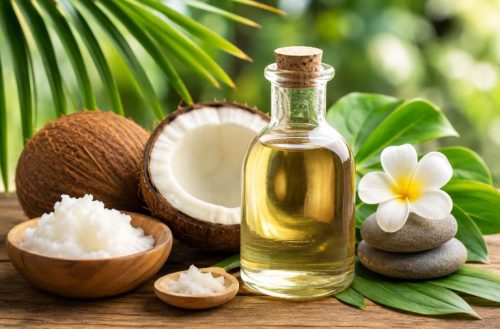
Coconut oil has been part of Indian skincare for generations, and some of that trust is backed by research. A study in the Journal of Traditional and Complementary Medicine reported that virgin coconut oil shows anti-inflammatory activity and helps protect the skin’s outer barrier. Separate clinical trials have shown it improves skin hydration and reduces water loss through the skin, which is why it remains one of the most studied natural face wash ingredients around.
- Deeply moisturising — ideal for dry, flaky, or rough skin.
- Contains lauric acid, known for mild antibacterial action.
- Softens dead skin and helps ubtan-style scrubs work better.
- Widely available, affordable, and easy to source in India.
Where Coconut Oil Falls Short for Face Wash
Coconut oil is a heavier, more comedogenic oil. On the body or scalp, that is rarely a problem. On facial skin, especially skin that already produces excess sebum, it can sit on top of pores instead of absorbing. Over a few weeks, this can show up as small bumps, blackheads, or a dull, congested look. People with oily or acne-prone skin often notice this the most, particularly in India’s humid coastal cities where sweat already adds to oil buildup.
Jojoba Oil for Face Wash: Benefits and Drawbacks

Why Jojoba Oil Mimics Your Skin’s Natural Sebum
Jojoba oil is not technically an oil at all. It is a liquid wax, and its structure sits very close to the sebum your skin already produces. This is why it absorbs fast without leaving a heavy residue. A comprehensive review on jojoba oil’s chemistry and uses notes that it is widely considered non-comedogenic, meaning it does not block pores, which makes it a safer pick for people who break out easily.
- Non-comedogenic — suits oily and acne-prone skin well.
- Helps regulate excess oil instead of just removing it.
- Rich in vitamin E and antioxidants for skin repair.
- Gentle enough for sensitive and reactive skin types.
Limitations of Jojoba Oil
Jojoba oil is lighter than coconut oil, so it may not feel intensive enough for very dry or mature skin during harsh winters. It also costs more, since it is imported or sourced in smaller quantities compared to coconut oil. For someone with rough, cracked, or flaky skin, jojoba oil alone may need to be paired with a heavier night cream or balm.
Coconut Oil vs Jojoba Oil: Side-by-Side Comparison
| Factor | Coconut Oil | Jojoba Oil |
| Texture | Heavier, richer | Light, fast-absorbing |
| Best for | Dry, rough, flaky skin | Oily, combination, acne-prone skin |
| Pore-clogging risk | Moderate to high on the face | Very low (non-comedogenic) |
| Shelf life | Around 12–18 months | Very long, resists rancidity |
| Cost in India | Low | Moderate to high |
What Ayurveda Says About Choosing Face Oils by Skin Type
Ayurveda does not treat skin as one single category. It links skin behaviour to dosha — the body’s working energies. Vata skin tends to be dry and thin, so it welcomes richer oils like coconut. Pitta skin runs warm and reactive, so it prefers light, cooling oils like jojoba. Kapha skin is naturally oily, and it benefits most from oils that balance rather than add more richness.
If you want a deeper, India-context explanation of how Ayurveda reads skin and body type for people living abroad, this Ayurveda guide for global Indians from DeshSansaar breaks down dosha basics in plain language, without pushing any product.
Which Oil Should You Choose Based on Your Skin Type

Oily and Acne-Prone Skin
Jojoba oil is the safer starting point here. It won’t add extra shine, and it helps signal to your skin that it doesn’t need to produce as much oil on its own.
Pair it with a gentle scrub once or twice a week, such as the Kesar Ubtan Face Scrub, to keep pores clear without over-drying the skin.
Dry and Mature Skin
Coconut oil works well here, especially in winter or in dry inland cities. It locks in moisture and softens rough patches around the nose and cheeks.
Follow it up with a hydrating gel, such as Aloe Vera Gel with Vitamin E, to add a lightweight layer of hydration without heaviness.

Sensitive or Combination Skin
This is where most people struggle to pick just one oil. Combination skin is often oily around the nose and forehead but dry near the cheeks and jaw. Rather than choosing a single-oil formula, a blended face wash that balances both textures tends to work better and is gentler on reactive skin.
Why Many Ayurvedic Face Washes Blend Multiple Oils Instead of Just One
This is exactly why traditional ubtan-based formulas remain relevant. Instead of relying on a single oil, an ubtan blends saffron, turmeric, and gentle oils to cleanse, brighten, and soften skin at the same time. It reduces the guesswork of picking one oil that must do everything on its own.
If you want a formula built around this balanced approach rather than betting everything on one oil, the Kesar Ubtan Face Wash combines saffron and turmeric with gentle, skin-friendly oils for tan removal and daily brightening.

Face Wash Ingredients to Avoid If Your Skin Reacts Easily
Whichever oil you lean toward, watch out for these common irritants that often sit alongside coconut or jojoba oil in mass-market face washes:
- Sulfates (SLS/SLES) — strip natural oils and worsen dryness.
- Synthetic fragrance — a frequent trigger for sensitive skin.
- Parabens — preservatives some users prefer to avoid long term.
- Alcohol denat — dries out the skin barrier over repeated use.
Reading the label matters as much as picking between coconut oil and jojoba oil. A well-formulated natural face wash with clean ingredients will support whichever oil base you choose, instead of undoing its benefit.
Buying Ayurvedic Face Wash From Abroad: What NRIs and Foreigners Should Know
If you live outside India and want to try Ayurvedic skincare, a few practical points make the switch easier. Patch-test any new oil-based face wash on your inner arm for 24 hours before applying it to your face, since climate and water quality abroad can change how your skin reacts. Check that the brand ships internationally and lists full ingredients, not just marketing terms like “natural” or “ayurvedic.” Start with a smaller bottle before committing to a larger one, especially if you’re switching from a foaming, sulfate-based cleanser you’ve used for years.
For NRIs planning a longer stay in India — say, for a wellness break, a family visit, or a full skin-reset routine — it can help to combine this kind of face wash upgrade with a proper, guided programme. Morning Sun’s personalised natural skin glow protocols connect you with verified Ayurveda and dermatology specialists in India who can build a skin plan around your specific dosha and lifestyle, rather than a single product.
When to See a Dermatologist Instead of Experimenting With Oils
Natural oils help most people manage everyday dryness, dullness, or mild oiliness. But if you notice persistent cystic acne, ongoing redness, or a rash that doesn’t settle after a few weeks of gentle skincare, it’s time to stop self-treating. Oils can mask a deeper issue rather than fix it.
In that case, it makes sense to consult a professional instead of trying every oil on the market. Morning Sun’s directory of verified dermatology clinics in India can help you book a proper consultation, whether you’re based in India or flying in for treatment.

Conclusion
Coconut oil and jojoba oil both belong in natural skincare, but they serve different skin needs. Coconut oil suits dry, rough skin that needs deep moisture. Jojoba oil suits oily, acne-prone, or reactive skin that needs balance without heaviness. If your skin doesn’t fit neatly into either box, a blended ubtan-style face wash removes the pressure of picking just one oil and does the balancing work for you.
FAQs:
Yes, for dry skin — but it can clog pores on oily or acne-prone skin.
Yes. It mimics sebum and balances oil production without blocking pores.
Yes, blended formulas like ubtan face washes suit combination skin well.
Jojoba oil, since it’s non-comedogenic and won’t block pores.
Yes, it suits most skin types for regular brightening and tan removal.
Yes, most Ayurvedic brands ship internationally with card payment.
External Resources
- Journal of Traditional and Complementary Medicine — anti-inflammatory and skin-protective properties of virgin coconut oil
- Polymers journal — comprehensive review on jojoba oil chemistry and dermatological use
- PubMed — randomized controlled trial comparing virgin coconut oil with mineral oil as a moisturiser
Leave a Reply