

Humidity can be both a blessing and a challenge for the skin. While moisture in the air helps prevent excessive dryness, it also increases sweat production, excess oil, clogged pores, and breakouts. As a result, many people struggle with greasy skin, acne, dullness, and irritation during humid seasons. Therefore, following a proper daily skincare routine becomes essential for maintaining healthy, balanced, and glowing skin.
Whether you have oily, combination, dry, or sensitive skin, adapting your skincare routine to humid weather can make a significant difference. Moreover, using lightweight products and following the right steps helps your skin stay fresh and comfortable throughout the day.
In this guide, you will learn a complete daily skincare routine designed specifically for humid weather conditions.
Why Humid Weather Affects Your Skin
Humid weather increases moisture levels in the atmosphere. Consequently, your skin reacts differently compared to dry or cold climates.
Some common skin concerns during humid weather include:
- Excessive oil production
- Clogged pores
- Acne and pimples
- Increased sweating
- Sticky skin feeling
- Fungal infections
- Sun damage
- Enlarged pores
Furthermore, pollution and dust often mix with sweat and oil, making skin problems worse. Therefore, a consistent skincare routine becomes even more important.
Understanding Your Skin Type
Before creating a skincare routine, it is important to identify your skin type.
Oily Skin
Oily skin produces excess sebum. As a result, it often appears shiny and is more prone to acne.
Dry Skin
Dry skin lacks natural moisture. However, even in humid weather, dry skin still requires hydration.
Combination Skin
Combination skin contains both oily and dry areas. Usually, the T-zone becomes oily while the cheeks remain normal or dry.
Sensitive Skin
Sensitive skin reacts easily to products, weather changes, and environmental irritants.
Once you know your skin type, you can choose suitable products more effectively.
Morning Skincare Routine for Humid Weather
The morning routine protects your skin from sweat, pollution, UV rays, and environmental stressors throughout the day.
Step 1: Start with a Gentle Cleanser
Cleansing removes oil, sweat, and impurities that accumulate overnight.
Choose:
- Gel cleansers for oily skin
- Hydrating cleansers for dry skin
- Mild cleansers for sensitive skin
Additionally, avoid harsh soaps because they can strip the skin’s natural barrier.
Benefits of Morning Cleansing
- Removes excess oil
- Prevents clogged pores
- Refreshes the skin
- Improves product absorption
Clean skin provides the perfect foundation for the rest of your skincare routine.

Step 2: Apply a Lightweight Toner
A toner helps balance skin after cleansing. Furthermore, it removes any remaining traces of dirt.
Look for ingredients such as:
- Rose water
- Green tea
- Witch hazel
- Cucumber extract
- Aloe vera
These ingredients help soothe and refresh the skin.

Why Toner Matters in Humid Weather
Since humidity increases oil production, toner can help minimize the appearance of enlarged pores and maintain skin balance.
Step 3: Use an Antioxidant Serum
Serums deliver concentrated ingredients directly into the skin.
Vitamin C serum is particularly beneficial because it:
- Protects against environmental damage
- Brightens the skin
- Reduces pigmentation
- Supports collagen production
Moreover, lightweight serums absorb quickly without leaving a sticky residue.

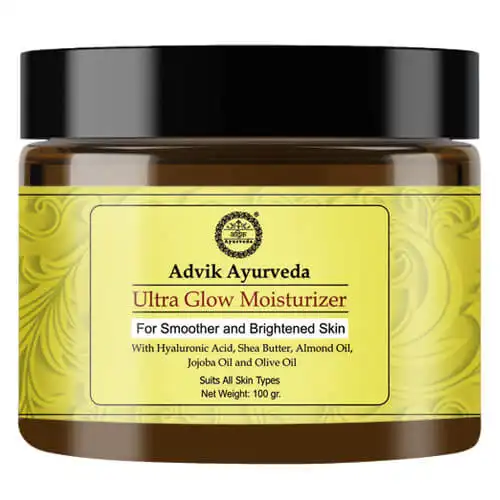
Step 4: Apply a Lightweight Moisturizer
Many people skip moisturizer in humid weather. However, this is a mistake.
When skin lacks hydration, it may produce even more oil to compensate. Therefore, moisturizing remains essential.
Choose:
- Water-based moisturizers
- Gel moisturizers
- Oil-free formulas
These options provide hydration without making skin greasy.
Best Moisturizing Ingredients
- Hyaluronic acid
- Aloe vera
- Glycerin
- Panthenol
- Niacinamide
As a result, your skin stays hydrated while feeling light and comfortable.
Step 5: Never Skip Sunscreen
Sunscreen is the most important daytime skincare product.
Even during cloudy days, UV rays can damage the skin. Therefore, daily sun protection is necessary.
Choose:
- SPF 30 or higher
- Broad-spectrum protection
- Non-comedogenic formula
- Lightweight texture
Benefits of Daily Sunscreen
- Prevents premature aging
- Reduces pigmentation
- Protects collagen
- Lowers skin cancer risk
Furthermore, reapply sunscreen every two to three hours when outdoors.

Step 6: Optional Face Mist During the Day
Face mists provide instant refreshment.
Look for mists containing:
- Rose water
- Aloe vera
- Green tea
Consequently, your skin feels cool and revitalized throughout the day.

Midday Skincare Tips for Humid Weather
Blot Excess Oil
Instead of washing your face repeatedly, use blotting papers.
This helps:
- Remove shine
- Preserve makeup
- Reduce oil buildup
As a result, the skin remains balanced.
Stay Hydrated
Water intake directly affects skin health.
Therefore, aim for adequate hydration throughout the day.
Benefits include:
- Better skin elasticity
- Improved glow
- Reduced dehydration
- Enhanced skin repair
Additionally, consuming water-rich fruits can support hydration.
Avoid Touching Your Face
Hands carry bacteria, dirt, and oil.
Consequently, frequent touching may cause:
- Acne
- Irritation
- Infection
Keeping your hands away from your face helps maintain clearer skin.
Evening Skincare Routine for Humid Weather
Nighttime is when skin repairs itself. Therefore, a proper evening routine is crucial.
Step 1: Remove Makeup Thoroughly
Never sleep with makeup on.
Makeup mixed with sweat and oil can clog pores and trigger breakouts.
Use:
- Micellar water
- Cleansing balm
- Gentle makeup remover
Afterward, proceed with a regular cleanser.
Step 2: Double Cleansing
Double cleansing is especially helpful in humid weather.
First Cleanse
Removes:
- Sunscreen
- Makeup
- Surface impurities
Second Cleanse
Removes:
- Sweat
- Dirt
- Excess oil
As a result, pores remain cleaner and healthier.
Step 3: Apply Treatment Products
Nighttime is ideal for targeted treatments.
Depending on your skin concerns, consider:

For Acne
Use products containing:
- Salicylic acid
- Niacinamide
- Tea tree oil

For Pigmentation
Choose:
- Vitamin C
- Alpha arbutin
- Licorice extract
For Aging
Look for:
- Retinol
- Peptides
- Ceramides
However, introduce active ingredients gradually to avoid irritation.
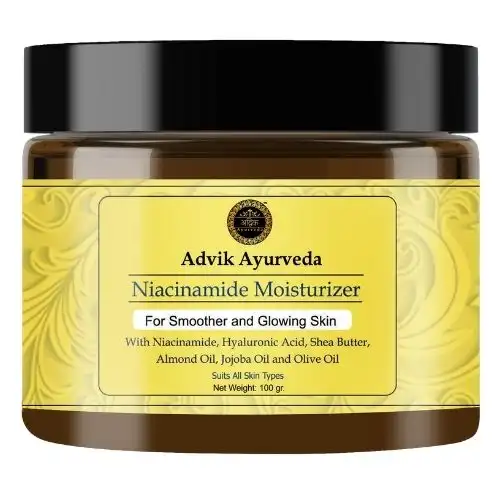
Step 4: Moisturize Again
Night moisturizers help support skin repair.
Even during humid weather, hydration remains necessary.
Choose lightweight formulas that nourish without feeling heavy.
Consequently, your skin wakes up smoother and healthier.
Step 5: Eye Cream (Optional)
The delicate eye area often needs additional care.
Eye creams can help:
- Reduce puffiness
- Minimize dark circles
- Improve hydration
Therefore, they can be a useful addition to your nighttime routine.

Weekly Skincare Treatments
Besides daily care, weekly treatments can enhance skin health.
Exfoliation
Exfoliating removes dead skin cells and improves skin texture.
How Often?
- Oily skin: 2 times weekly
- Dry skin: 1 time weekly
- Sensitive skin: Every 10–14 days
Good Exfoliating Ingredients
- Lactic acid
- Glycolic acid
- Salicylic acid
However, avoid excessive exfoliation because it can damage the skin barrier.
Clay Masks
Clay masks are highly beneficial during humid weather.
They help:
- Absorb excess oil
- Deep clean pores
- Reduce shine
Popular options include:
- Kaolin clay
- Bentonite clay
- Multani mitti
Consequently, skin feels cleaner and more refreshed.
Hydrating Masks
Hydrating masks restore moisture levels.
Look for ingredients such as:
- Aloe vera
- Hyaluronic acid
- Honey
- Cucumber extract
Therefore, they provide balance without heaviness.
Best Ingredients for Humid Weather Skincare
Niacinamide
Niacinamide helps:
- Control oil
- Strengthen the skin barrier
- Reduce redness
- Minimize pores
As a result, it works well for most skin types.
Hyaluronic Acid
Although humidity is high, skin still needs hydration.
Hyaluronic acid attracts moisture and keeps skin plump.
Therefore, it remains one of the best ingredients for humid climates.
Aloe Vera
Aloe vera provides soothing hydration.
Additionally, it helps calm irritation caused by heat and sun exposure.

Green Tea
Green tea contains powerful antioxidants.
It helps:
- Reduce inflammation
- Control oil
- Protect against environmental stress
Consequently, it is an excellent ingredient for humid weather skincare.
Salicylic Acid
Salicylic acid penetrates deep into pores.
Therefore, it effectively reduces:
- Blackheads
- Whiteheads
- Acne breakouts
People with oily skin particularly benefit from this ingredient.
Skincare Mistakes to Avoid in Humid Weather
Overwashing the Face
Excessive cleansing can disrupt the skin barrier.
Instead, cleanse twice daily unless instructed otherwise by a dermatologist.
Skipping Moisturizer
Many people assume humid air provides enough moisture.
However, skin still requires hydration from suitable skincare products.
Using Heavy Creams
Heavy products may clog pores.
Therefore, choose lightweight formulations whenever possible.
Forgetting Sunscreen
Sun damage occurs year-round.
Consequently, sunscreen should remain a daily habit regardless of weather.
Over-Exfoliating
Too much exfoliation can cause:
- Redness
- Irritation
- Dryness
- Breakouts
Therefore, moderation is key.
Diet Tips for Healthy Skin During Humid Weather
Skincare products work best when combined with healthy lifestyle habits.
Eat Water-Rich Foods
Examples include:
- Watermelon
- Cucumber
- Oranges
- Tomatoes
- Coconut water
These foods support hydration from within.
Increase Antioxidant Intake
Consume foods rich in:
- Vitamin C
- Vitamin E
- Polyphenols
Therefore, your skin receives additional protection against environmental damage.
Reduce Excess Sugar
High sugar consumption may contribute to inflammation and breakouts.
Consequently, limiting processed sweets can benefit skin health.
Include Healthy Fats
Sources include:
- Avocados
- Nuts
- Seeds
- Olive oil
These nutrients support the skin barrier and overall skin function.
Natural Remedies for Humid Weather Skin Care
Aloe Vera Gel
Fresh aloe vera gel provides lightweight hydration.
Additionally, it helps calm heat-related irritation.

Cucumber Mask
Cucumber offers cooling and soothing benefits.
Therefore, it is especially refreshing during hot, humid days.
Rose Water Spray
Rose water acts as a natural toner and facial mist.
Consequently, it helps maintain freshness throughout the day.

Honey Mask
Honey naturally attracts moisture and supports skin hydration.
Furthermore, it possesses antibacterial properties that may help acne-prone skin.
Conclusion
Humid weather presents unique skincare challenges, including excess oil, sweat, clogged pores, and breakouts. However, with the right daily skincare routine, maintaining healthy and radiant skin becomes much easier. Start each morning with gentle cleansing, lightweight hydration, and reliable sun protection. Meanwhile, follow an effective nighttime routine to remove impurities and support skin repair.
Additionally, incorporating weekly treatments, staying hydrated, eating nutrient-rich foods, and choosing suitable skincare ingredients can further improve skin health. Most importantly, consistency is key. When you follow a balanced skincare routine every day, your skin remains fresh, comfortable, and glowing even during the most humid months of the year.

FAQs:
The best skincare routine for humid weather includes gentle cleansing, a lightweight toner, a hydrating serum, an oil-free moisturizer, and broad-spectrum sunscreen during the day. At night, cleanse thoroughly and apply suitable treatment products and moisturizer.
Yes, moisturizer is essential even in humid weather. A lightweight, water-based, or gel moisturizer helps maintain hydration without making the skin feel greasy.
To control oily skin, use a gentle cleanser twice daily, apply products containing niacinamide or salicylic acid, use blotting papers when needed, and avoid heavy creams that can clog pores.
Yes, sunscreen should be applied every day regardless of the weather. UV rays can penetrate clouds and cause sun damage, premature aging, and pigmentation.
Most people should exfoliate 1–2 times per week. However, the frequency depends on skin type. Over-exfoliation can lead to irritation, redness, and a weakened skin barrier.
Leave a Reply