

When it comes to hair accessories, the humble hair band is often overlooked. Yet, it’s a staple in almost every person’s routine. Whether you’re tying your hair up for a workout, keeping your hair out of your face during a busy day, or styling your locks for an elegant evening out, a hair band serves as a simple but versatile tool. The right one can change the way you style your hair, enhance comfort, and even contribute to the health of your hair and scalp. In this post, we take a look at how the right hair band can be an essential part of your everyday beauty routine, especially when combined with natural Ayurvedic practices for healthy hair care.

The Magic of a Hair Band: Why You Need It
A hair band is one of those accessories that you may not realize you need until you have it. It keeps your hair in place, minimizes tangling, and even adds a dash of style to your look. But its usefulness goes beyond these basic functions. When paired with an understanding of your hair type and care, the right band can maintain the health and appearance of your hair.

The Importance of Choosing the Right Hair Band
Not all hair bands are created equal, and some may even damage your hair if you’re not careful. It’s important to choose one that suits your hair texture and length. For example, thin elastics can tug at your hair, causing breakage, while thick, soft fabric bands might be gentler on your strands. Ayurvedic principles emphasize using natural materials, and this extends to the tools we use on our hair. Hair bands made from soft cotton, silk, or other natural fibers are ideal for promoting healthy hair, as they don’t cause friction or stress on your scalp.
Recommended Products

Ayurvedic Hair Care: A Holistic Approach
When it comes to hair care, Ayurveda offers a holistic approach that incorporates diet, lifestyle, and natural remedies. Ayurvedic hair oils such as Bhringraj, Amla, and Brahmi are known for their nourishing properties, promoting hair growth, reducing hair fall, and improving the overall health of your scalp. By incorporating Ayurvedic products and practices into your routine, you can ensure that your hair stays strong and healthy.

Using a hair band that complements your Ayurvedic hair care routine can prevent unnecessary hair breakage and maintain a tidy, healthy look. When you use natural oils to nourish your scalp and hair, it’s best to pair it with a gentle, breathable hair band that won’t interfere with the oil’s absorption or cause friction that might lead to damage.

The Best Hair Band for Every Hair Type
Curly Hair: Curly hair can be difficult to manage, and using a hair band that doesn’t tug at your curls is key. Opt for wide, soft bands made from cotton or fabric. These are gentle on your curls and will prevent frizz while keeping your hair neatly in place.

Straight Hair: If you have straight hair, a simple elastic band can be enough. But if you’re looking for something a little more stylish, a silk or satin hair band will prevent your hair from becoming flat or losing volume while giving you a sleek look.
Thick Hair: For those with thick hair, it’s crucial to use a sturdy band that can handle the volume. A strong, wide band will ensure your hair stays put without discomfort.
Fine or Thin Hair: If your hair is fine, you might want to avoid tight elastics that can cause breakage. Soft, fabric-based hair bands or silk scrunchies are a great choice as they won’t pull on your delicate strands.

Benefits of Using a Hair Band
- Prevents Hair Damage
One of the most significant benefits of using a hair band is its ability to prevent damage to your hair. By keeping your hair in place, you avoid friction from clothes or the elements. Additionally, bands can prevent tangles and breakage, particularly when using soft, gentle materials like fabric or silk. These materials are especially recommended in Ayurvedic practices, as they respect the integrity of the hair shaft. - Promotes Scalp Health
A good hair band can also promote scalp health by keeping your hair off your face, reducing sweat and dirt accumulation. This is especially beneficial for individuals with oily or acne-prone skin. By avoiding contact with your hair, you can keep your forehead and scalp clean, which is essential for overall hair and skin health. - Comfortable for Everyday Use
A band can be incredibly comfortable for daily wear. Whether you’re running errands or enjoying a casual day at home, a soft and breathable band ensures that your hair stays in place without causing discomfort. Many people opt for a loose, non-damaging band to hold their hair back during exercise or work, ensuring it stays out of their face without creating tension. - Versatile Styling Tool
A hair band is not just a functional tool; it’s also a versatile styling accessory. Whether you’re looking for a chic, polished look or a more relaxed style, a band can enhance your appearance. From simple ponytails to elegant updos, the right band can bring a finishing touch to your overall look. Pairing it with natural oils or herbal products can give your hair the shine and health it needs.
Using Hair Bands with Ayurvedic Products
When combining Ayurvedic hair care with hair bands, it’s essential to select natural products that nourish your hair from the inside out. Ayurvedic oils such as Amla oil or Coconut oil are ideal for maintaining healthy hair. These oils can reduce hair fall, enhance shine, and prevent dryness.
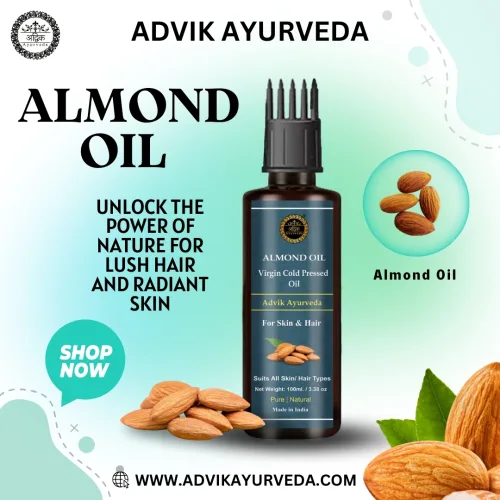
Recommended Product

- Amla Oil: Rich in Vitamin C, Amla is known to promote hair growth and strengthen hair follicles. Applying Amla oil to your hair and using a gentle band afterward can protect your hair and reduce breakage.
- Coconut Oil: Known for its moisturizing properties, Coconut oil penetrates deep into the scalp to nourish hair. After massaging it in, you can use a fabric band to keep your hair neatly styled while it absorbs the oil.
- Brahmi Oil: This oil is excellent for promoting hair growth and reducing dandruff. It can be used in combination with a hair band to keep hair in place without compromising its natural health.
By using natural products in conjunction with your hair band, you ensure that your hair is both healthy and stylish.

Choosing the Right Hair Band for Your Needs
When selecting the right hair band, consider the following factors:
- Material: Choose a band made from natural materials such as cotton, silk, or fabric. These materials are gentler on your hair and prevent unnecessary damage.
- Style: Opt for a style that complements your natural hair texture. For curly hair, choose a wide, fabric band. For straight hair, a simple elastic or silk band works well.
- Functionality: Consider your needs—do you need a hair band for exercise, for keeping hair out of your face during the day, or for styling at night? The functionality of your hair band will influence the material and size you choose.
- Comfort: Ensure that the band you select doesn’t pull on your hair or scalp. A snug fit that isn’t too tight will ensure comfort throughout the day.
Final Remarks
The hair band may seem like a small, simple accessory, but it plays a crucial role in your overall hair care routine. From maintaining a neat and tidy look to supporting your natural hair care efforts with Ayurvedic oils, a band is far more than just a tool for styling. By choosing the right one for your hair type and lifestyle, you can keep your hair in place, reduce damage, and promote a healthier scalp. Whether you’re embracing your natural hair texture or enhancing your hair care routine with herbal products, the right hair band can make all the difference.
FAQs
1. What is the best type of hair band for curly hair?
For curly hair, a wide, fabric-based band works best. It prevents frizz and doesn’t tug on the curls, which can lead to breakage. Silk or cotton bands are also ideal as they reduce friction.
2. Can hair bands cause hair breakage?
Yes, bands that are too tight or made from harsh materials can cause breakage. It’s important to choose one that fits comfortably and is made from soft, gentle materials like fabric, cotton, or silk.
3. How can I prevent hair damage when using a hair band?
To prevent damage, use a band that isn’t too tight, and choose one made from natural fibers like cotton or silk. Avoid using bands with metal clasps, as they can snag and pull at the hair.
4. Is it okay to wear a hair band all day?
While it’s generally safe to wear a band throughout the day, it’s important to avoid wearing it too tightly. Constant pressure on your hair can cause breakage or tension. Try to remove your band at intervals to give your hair a break.
5. Are there any hair bands that are suitable for thin or fine hair?
For thin or fine hair, it’s best to choose a soft, fabric-based band like a scrunchie. Avoid using tight elastics or bands made from rough materials, as they can cause hair breakage.
6. Can hair bands be used to style my hair?
Absolutely! Bands can be used to create a variety of hairstyles, from sleek ponytails and braids to relaxed buns. They are versatile and can complement different looks, whether casual or formal.
7. Are there any Ayurvedic practices I can follow with my hair band?
Yes, you can combine Ayurvedic oils like Bhringraj, Amla, or Coconut oil with the use of a band. Applying these oils to your hair before using a band can nourish your hair and reduce breakage.
8. What materials should I avoid in hair bands?
Avoid bands made from synthetic materials like nylon or polyester, as these can cause friction and damage your hair. Also, steer clear of bands with metal clasps, as they can pull on your strands and cause breakage.
9. How can I keep my hair band from slipping off?
To prevent your band from slipping, choose one that fits snugly around your head but isn’t too tight. Fabric-based bands tend to have better grip than smooth elastics, so they are less likely to slide off.
10. How often should I change my hair band?
It’s a good idea to replace your band every few months or sooner if it starts to lose its elasticity or shows signs of wear. A worn-out band can cause hair tangling or breakage.
Leave a Reply