

Dealing with oily skin, enlarged pores, and frequent breakouts is a common struggle for many. However, there are effective ways to manage these concerns. By making simple lifestyle adjustments and adopting targeted skincare routines, you can effectively combat oily skin. Incorporating oil-free products into your skincare regimen can control excess oil production.
Also, using gentle cleansers and exfoliating regularly can prevent clogged pores and breakouts. Hydration is most important, so opt for lightweight, non-comedogenic moisturizers to keep your skin balanced. Don’t forget sun protection, as sun exposure can exacerbate oiliness. Dietary changes, such as reducing intake of greasy and processed foods, can also make a difference. Finally, consider consulting a dermatologist for personalized advice and treatment options tailored to your specific needs. With consistency and patience, you can achieve clearer, more balanced skin.
Recommended Product

What Causes Oily Skin?
- Genetics: Oily skin can run in families. If your parents or close relatives have oily skin, you’re more likely to inherit the tendency.
- Hormonal Changes: Fluctuations in hormone levels, such as during puberty, menstruation, pregnancy, or menopause, can stimulate the sebaceous glands to produce more oil.
- Environmental Factors: Humid climates and hot weather can increase oil production. Exposure to pollution, dirt, and toxins can also contribute to oily skin.
- Skincare Products: Some skincare products, especially those containing heavy oils or comedogenic ingredients, can exacerbate oily skin by clogging pores or stripping away too much natural oil, causing the skin to overcompensate.
- Overwashing: Washing the face too frequently or using hot water can strip the skin of its natural oils, triggering an increase in oil production.
- Diet: Consuming a diet high in greasy or processed foods may contribute to oily skin. Certain dietary factors, such as dairy or high-glycemic foods, could also play a role in oil production.
- Stress: Stress can trigger hormone fluctuations that stimulate oil production in the skin, leading to increased oiliness.
- Medications: Some medications, such as corticosteroids or certain birth control pills, can affect hormone levels and potentially increase oil production in the skin.
How Can You Determine if You Have Oily Skin?
- Visual Inspection: Look at your skin in the mirror. Oily skin often appears shiny, especially in the T-zone (forehead, nose, and chin). You may notice a greasy or slick texture, particularly by midday or shortly after cleansing.
- Touch Test: Gently press a clean tissue or blotting paper against different areas of your face. If the tissue becomes saturated with oil or if you can see oily residue transferred onto it, you likely have oily skin.
- Acne Prone: Oily skin is often associated with acne or frequent breakouts. If you commonly experience pimples, blackheads, or whiteheads, especially in the aforementioned T-zone, it could be a sign of excess oil production.
- Enlarged Pores: Oily skin tends to have visibly enlarged pores, particularly around the nose, cheeks, and chin. These pores may appear more prominent due to the accumulation of excess oil and debris.
- Makeup Melting: If your makeup tends to slide off or become patchy throughout the day, it could be due to the excess oil on your skin’s surface interfering with product adherence.
Recommended Product

Effective Strategies for Managing Oily Skin
- Gentle Cleansing: Start by cleansing your skin twice a day with a gentle, oil-free cleanser. Avoid harsh or abrasive cleansers, as these can strip the skin of its natural oils and cause it to produce even more sebum in response.
- Exfoliation: Regular exfoliation is very important for removing dead skin cells and preventing clogged pores. Look for exfoliating products that contain salicylic acid or glycolic acid, which can unclog pores and reduce excess oil production.
- Oil-Free Moisturizing: Contrary to popular belief, even oily skin needs hydration. Opt for lightweight, oil-free moisturizers that won’t clog pores or contribute to shine.
- Use a Toner: Incorporate a toner into your skincare routine to balance the skin’s pH levels and remove any remaining traces of oil or dirt after cleansing.
- Spot Treatments: For occasional breakouts, spot treat problem areas with products containing ingredients like benzoyl peroxide or tea tree oil to reduce inflammation and kill acne-causing bacteria.
- Mattifying Products: Invest in mattifying products such as oil-absorbing powders or blotting papers to control shine throughout the day.
- Sun Protection: Don’t skip sunscreen, even if you have oily skin. Look for oil-free, non-comedogenic formulas with at least SPF 30 to protect your skin from harmful UV rays without exacerbating oiliness.
- Healthy Lifestyle Habits: Maintain a balanced diet, stay hydrated, and manage stress levels, as all these factors can influence the health of your skin.
- Consult a Dermatologist: If you’ve tried various over-the-counter remedies without success, consider seeking advice from a dermatologist who can recommend prescription-strength treatments tailored to your specific skin concerns.
- Patience and Consistency: Finally, be patient and consistent with your skincare routine. How do you get rid of oily skin? By being patient! It may take time to see results, but with dedication and the right approach, you can achieve a clearer, more balanced complexion.
How to Manage Oily Skin with Skin Care Routine
- Cleansing (Twice Daily): Cleanse your face twice a day, morning and night, with a gentle, foaming cleanser formulated for oily or acne-prone skin. Look for ingredients like salicylic acid or benzoyl peroxide to control oil and prevent breakouts.
- Exfoliation (2-3 Times a Week): Use a chemical exfoliant containing ingredients like glycolic acid or lactic acid to gently remove dead skin cells and unclog pores. Avoid harsh physical scrubs, as they can irritate the skin and stimulate more oil production.
- Toning (Optional): If you choose to use a toner, opt for an alcohol-free formula with ingredients like witch hazel or niacinamide to balance oil production and refine the appearance of pores.
- Treatment (As Needed): Apply a spot treatment containing benzoyl peroxide or salicylic acid to target any active breakouts or areas of congestion. Use only on affected areas to avoid drying out the rest of your skin.
- Moisturizing (Twice Daily): Even oily skin needs hydration. Use a lightweight, oil-free moisturizer to keep your skin hydrated without adding extra shine. Look for non-comedogenic formulas to prevent clogged pores.
- Sun Protection (Daily): Apply a broad-spectrum sunscreen with at least SPF 30 every morning, even on cloudy days. Choose oil-free or mattifying formulas to avoid adding extra shine to your skin.
- Mattifying Products (Optional): Consider using mattifying primers or setting powders throughout the day to control shine and keep your makeup in place.
- Weekly Masks (Optional): Incorporate a clay mask into your routine once or twice a week to absorb excess oil and purify the pores. Look for masks containing ingredients like kaolin clay or charcoal.
Recommended Product
What are the Best Ingredients for Oily Skin?
- Salicylic Acid: This beta hydroxy acid (BHA) is highly effective at penetrating oil-filled pores and exfoliating dead skin cells. It unclogs pores, reduces inflammation, and prevents acne breakouts.
- Benzoyl Peroxide: Benzoyl peroxide is known for its antibacterial properties, making it effective at killing acne-causing bacteria. It also reduces oil production and prevents new breakouts from forming.
- Glycolic Acid: As an alpha hydroxy acid (AHA), glycolic acid exfoliates the skin’s surface, promoting cell turnover and revealing smoother, brighter skin. It can also reduce the appearance of enlarged pores and improve overall skin texture.
- Niacinamide (Vitamin B3): Niacinamide regulates sebum production, making it an excellent ingredient for controlling oiliness. It also has anti-inflammatory properties, which can calm redness and irritation associated with acne-prone skin.
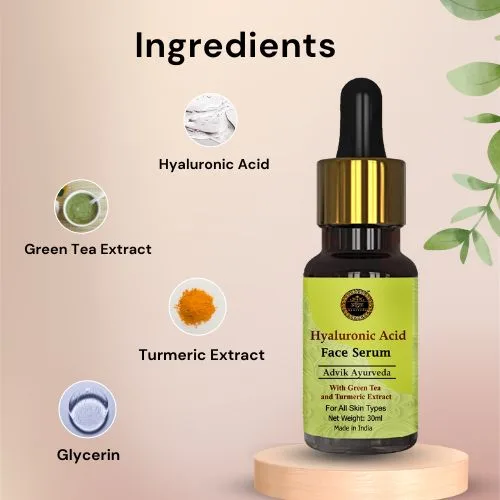
- Hyaluronic Acid: Despite its name, hyaluronic acid is not oily and is suitable for oily skin types. It is a lightweight, humectant ingredient that attracts and retains moisture in the skin without clogging pores, keeping the skin hydrated and plump.
- Clay: Clay masks containing ingredients like kaolin, bentonite, or French green clay are beneficial for oily skin. Clay absorbs excess oil, unclogs pores, and removes impurities from the skin’s surface.
- Tea Tree Oil: Known for its antimicrobial and anti-inflammatory properties, tea tree oil can reduce acne breakouts and calm irritated skin. However, it’s important to use it in diluted form to avoid skin irritation.
- Retinoids: Retinoids, such as retinol or prescription-strength tretinoin, are effective at regulating oil production, promoting cell turnover, and preventing acne. They also improve the overall texture and tone of the skin.
Our Recommendations for Oily Skin
Advik Ayurveda Charcoal Face Wash: Charcoal face washes are popular for oily skin due to their ability to draw out impurities and excess oil from pores. They contain activated charcoal, known for its detoxifying properties. Regular use can cleanse and refresh the skin, leaving it feeling clean and revitalized. Ideal for those seeking a deep cleanse.
Recommended Product

Advik Ayurveda Hyaluronic Acid Serum: Hyaluronic acid serums are lightweight, hydrating formulas that attract moisture to the skin, making it appear plump and hydrated. They’re suitable for all skin types, including oily skin, as they provide moisture without feeling heavy or greasy. It is ideal for maintaining a healthy, balanced complexion and reducing the appearance of fine lines.
Recommended Product
Advik Ayurveda Vitamin C Moisturizer: Vitamin C moisturizers are infused with antioxidant-rich vitamin C, known for brightening and evening out skin tone. Lightweight and non-greasy, they hydrate the skin while fading dark spots and protect against environmental damage. It is ideal for achieving a radiant complexion and addressing signs of aging.
Recommended Product

Advik Ayurveda Neem Tulsi Face Packs : Neem Tulsi face packs harness the antibacterial and antifungal properties of neem and tulsi (holy basil) to purify and detoxify the skin. They control excess oil, prevent acne, and soothe inflammation, leaving the skin feeling refreshed and rejuvenated. Ideal for oily and acne-prone skin types seeking a natural solution.
Recommended Product

Summing Up
Effectively managing oily skin requires a combination of lifestyle changes and targeted skincare routines. By incorporating oil-free products, gentle cleansing, regular exfoliation, and appropriate hydration, one can control excess oil production and prevent breakouts. Also, seeking professional advice and staying consistent with a tailored regimen are ideal to achieving clearer, more balanced skin.
FAQs
- Can oily skin be genetic?
Answer: Yes, oily skin can be hereditary. If your parents have oily skin, you’re more likely to experience it as well.
- How often should I wash my face to control oily skin?
Answer: Wash your face twice a day, morning and night, with a gentle cleanser formulated for oily skin to remove excess oil and impurities.
- Is moisturizing necessary for oily skin?
Answer: Yes, moisturizing is still important for oily skin. Opt for lightweight, oil-free moisturizers to keep the skin hydrated without adding extra shine.
- Can diet affect oily skin?
Answer: Yes, consuming a diet high in greasy or processed foods may contribute to oily skin. Eating a balanced diet rich in fruits, vegetables, and whole grains can be useful.
- Are there specific skincare products I should avoid for oily skin?
Answer: Avoid heavy or comedogenic products that can clog pores and exacerbate oiliness. Look for oil-free, non-comedogenic formulas instead.
- How can I control oiliness throughout the day?
Answer: Carry oil-absorbing blotting papers or mattifying powders to control shine and absorb excess oil without disturbing makeup.
- Can hormonal changes affect oily skin?
Answer: Yes, hormonal fluctuations, such as during puberty, menstruation, pregnancy, or menopause, can stimulate oil production and lead to oily skin.
- Are there any natural remedies for oily skin?
Answer: Ingredients like tea tree oil, witch hazel, and clay masks can absorb excess oil and purify the skin without harsh chemicals.
- How often should I exfoliate oily skin?
Answer: Exfoliate oily skin 2-3 times a week with a gentle chemical exfoliant containing ingredients like salicylic acid or glycolic acid to unclog pores and remove dead skin cells.
- Can stress worsen oily skin?
Answer: Yes, stress can trigger hormone fluctuations that stimulate oil production, leading to increased oiliness. Practice stress-reduction techniques such as meditation or yoga to help manage oily skin.
Leave a Reply