
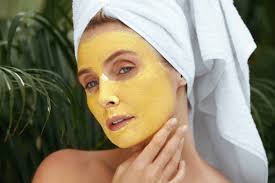
A face mask can only do so much good if it’s fighting your skin. A charcoal mask that pulls oil off an oily T-zone can leave dry cheeks tight by evening. A rich, creamy mask that rescues dehydrated skin in December can clog pores by June.
Before you pick a face mask, know your skin type first. This guide covers how to choose face mask for skin type. It shows where a charcoal mask for oily skin fits in. It explains ayurvedic face masks, and closes with a skin type guide for India’s weather. That last part is useful whether you live here or you’re an NRI visiting home.
Why Your Skin Type Decides the Mask, Not the Marketing

Most face masks are built around one job: pulling out oil, adding moisture, calming irritation, or brightening tone. Very few do all four well at once. A mask made to soak up sebum leans on clay or charcoal. Those ingredients dry out skin that already has too little oil. A mask made to hydrate leans on richer oils and butters instead. That can sit heavy and clog pores on skin that already makes enough sebum.
This is why generic “best face mask” lists rarely help anyone. The best mask depends on what your skin needs that week, not on what’s trending. Read the ingredient list before the marketing copy. It tells you far more about whether a mask will actually suit you.
A Quick Self-Check for Your Skin Type
Try this before you buy anything new:
- Cleanse your face with a mild cleanser and pat it dry.
- Wait 45–60 minutes without applying anything else.
- Check your T-zone (forehead, nose, chin) and your cheeks separately.
If your whole face looks shiny, you likely lean oily. If it feels tight, rough or flaky, that points to dry skin. Shine only across the T-zone, with normal or dry cheeks, usually means combination skin. Redness, stinging or itching after cleansing is a sign of sensitive skin.
Want a second reference point?
Face Masks for Oily and Acne-Prone Skin
Oily skin produces more sebum than it needs. This leads to clogged pores, blackheads and a shiny T-zone well before the day is over. The right mask should absorb excess oil without stripping the skin completely. Over-drying oily skin often backfires — it can push skin to produce even more oil to compensate.
Charcoal Mask for Oily Skin: What It Actually Does

Activated charcoal binds to oil, dirt and impurities on the skin’s surface. It lifts them away when you rinse the mask off. A charcoal mask for oily skin works best once or twice a week. Use it more often, and it can strip out the natural oil your skin’s barrier needs. Look for charcoal paired with clay or neem rather than charcoal alone. The added ingredients help manage acne-causing bacteria without leaving skin feeling scraped out.
Kaolin clay and multani mitti (fuller’s earth) work in a similar way for oily skin. Both draw out oil while being a touch gentler than pure charcoal. That makes them a good rotation option between charcoal sessions.
Our own Kesar Ubtan Face Wash for Tan Removal & Brightening is formulated for this skin type. It works well as the cleansing step right before a charcoal mask, since it clears surface oil without over-stripping skin beforehand.
Face Masks for Dry Skin
Dry skin lacks the oil needed to hold on to moisture. It often feels tight, looks dull, and can flake around the nose and cheeks by afternoon. A mask for dry skin should add moisture and help lock it in, not draw anything further out.
Cream-based masks built around aloe vera, almond oil, honey or milk work well here. Skip clay and charcoal masks on dry skin altogether. They’re formulated to absorb oil, and dry skin rarely has any to spare.
Our Aloe Vera Gel with Vitamin-E is already part of many dry-skin routines. A hydrating mask from the same ingredient family layers on top without overwhelming the skin. If dry, flaky skin is a seasonal issue for you, our earlier post on ayurvedic winter skincare for dry skin goes deeper into building a full cold-weather routine.
Face Masks for Combination Skin

Combination skin is the trickiest to shop for. It behaves like two skin types at once — oily through the T-zone, closer to normal or dry on the cheeks. Using one mask across the whole face usually over-treats one zone.
Multi-masking solves this without much extra effort. Apply a clay or charcoal mask to the T-zone. Apply a hydrating mask to the cheeks at the same time. Rinse both off together after 10–15 minutes. It takes two products instead of one. But each zone gets treated for what it actually needs.
Prefer this diagnosed rather than guessed at?
Face Masks for Sensitive Skin
Sensitive skin reacts to fragrance, essential oils and harsh actives. Redness, burning or itching can show up within minutes. The safest masks here are fragrance-free, with short ingredient lists. Look for calming ingredients like sandalwood, rose water, oatmeal or plain aloe vera.
Always patch-test a new mask first. Apply it to your inner arm or behind the ear 24 hours before using it on your face. Do this even when the label says “natural” or “ayurvedic.” Natural doesn’t automatically mean safe for reactive skin. Turmeric and neem, for example, work well for acne-prone skin. But they can sting on broken or inflamed skin.
If sensitivity keeps flaring up despite a gentle routine, it’s worth a wider read. Desh Sansaar’s health and lifestyle coverage looks at how water quality, diet and travel across India affect reactive skin — useful context beyond just the products you use.
Ayurvedic Face Masks: Where They Actually Fit In
Ayurvedic face masks start from a different framework than most drugstore options. Instead of grouping skin only by oil level, Ayurveda groups it by dosha. Vata skin is dry, thin and prone to fine lines. Pitta skin is sensitive and prone to redness and breakouts. Kapha skin is oily, thick and prone to congestion. A Vata-leaning face tends to do better with warm, oil-based masks. A Pitta-leaning face responds well to cooling ingredients like sandalwood and rose. A Kapha-leaning face benefits from detoxifying ingredients like neem and turmeric.
New to this framework?
WebMD’s overview of ayurvedic skin care is a useful primer before you shop by dosha instead of by “skin type.” For the internal side of the same logic, see Morning Sun’s guide to traditional ayurvedic therapies in India and their notes on ayurvedic diet planning.
Common Ingredients in Ayurvedic Face Masks
- Multani mitti (fuller’s earth): draws out oil and mild impurities, suited to oily and combination skin.
- Turmeric: calms inflammation and evens out tone, useful for acne-prone and dull skin.
- Sandalwood: cools and soothes, a good pick for sensitive or Pitta-leaning skin.
- Kesar (saffron) and besan (gram flour): traditional ubtan ingredients that brighten gently, without harsh exfoliation.
- Neem: antibacterial and helpful for oily, acne-prone skin. Use it sparingly on sensitive skin.

A kesar ubtan-based face scrub built around these ingredients can double as a short-contact mask. Apply it and leave it on for about five minutes. Work it in with wet fingers, then rinse. Used this way, it behaves closer to a traditional ubtan than a quick daily exfoliant.
How Often Should You Use a Face Mask, By Skin Type
- Oily / acne-prone skin: 2 times a week, with clay or charcoal masks.
- Dry skin: 1–2 times a week, with hydrating, cream-based masks.
- Combination skin: 2 times a week, multi-masked by zone.
- Sensitive skin: once a week, patch-tested first, fragrance-free only.
- Normal skin: once a week is enough to maintain balance.
Over-masking is one of the most common reasons a mask “stops working.” Nine times out of ten, the skin is reacting to overuse, not to the formula itself.
This same weekly-versus-daily thinking applies to hair and scalp care too. If you’re rebuilding a routine from scratch, our post on summer hair care with natural oils covers it for scalp treatments.
A Skin Type Guide for India’s Climate — and for NRIs Coming Home
A skin type guide for India can’t stop at one climate. Skin that stays balanced in Bengaluru’s mild weather can turn oily in Mumbai’s humidity within a season. That same skin can turn dry and dull through Delhi’s winter. NRIs visiting after months in a drier or colder climate should expect their skin to behave differently here. Many people notice extra oil and small breakouts within the first two weeks of adjusting to Indian humidity, even without changing their routine.
For a broader, structured read on how Indian humidity and daily habits affect skin, see Morning Sun’s guide to natural skin glow protocols. Their virtual dosha assessment is a good starting point for a professional read on your dosha, before you shop for ayurvedic products.
For NRIs and returning Indians adjusting daily habits more broadly, Desh Sansaar’s health and lifestyle coverage is worth bookmarking alongside this guide. Want to address skin and stress together, in person? Morning Sun’s Kerala Ayurveda resorts and their ayurvedic hair fall solutions programs are worth comparing if a short retreat is on your radar.

Common Mistakes When Choosing a Face Mask
- Copying someone else’s routine. A mask that suits a friend’s skin can do the opposite for yours.
- Using clay or charcoal daily. These are weekly treatments, not everyday cleansers.
- Skipping the patch test. Even ayurvedic and “natural” masks can irritate sensitive skin.
- Treating the whole face the same way when you actually have combination skin.
- Judging a mask after one use. Give it 3–4 uses over a few weeks before deciding.
Conclusion
Choosing the right face mask comes down to one question. What does your skin need this week — less oil, more moisture, or less irritation? Once you know your skin type, the rest gets simple. Pick between a charcoal mask, a hydrating cream mask, or an ayurvedic ubtan based on that one answer.
FAQs:
Cleanse, wait an hour, then check for shine, tightness or redness.
Mostly yes — it can over-dry combination or dry skin if overused.
No. Masks treat skin weekly; moisturiser stays a separate daily step.
Once a week, always patch-tested, using fragrance-free formulas.
Generally no — clay draws out oil that dry skin can’t spare.
Yes. Humidity and travel often shift oil and sensitivity levels quickly.
Leave a Reply