
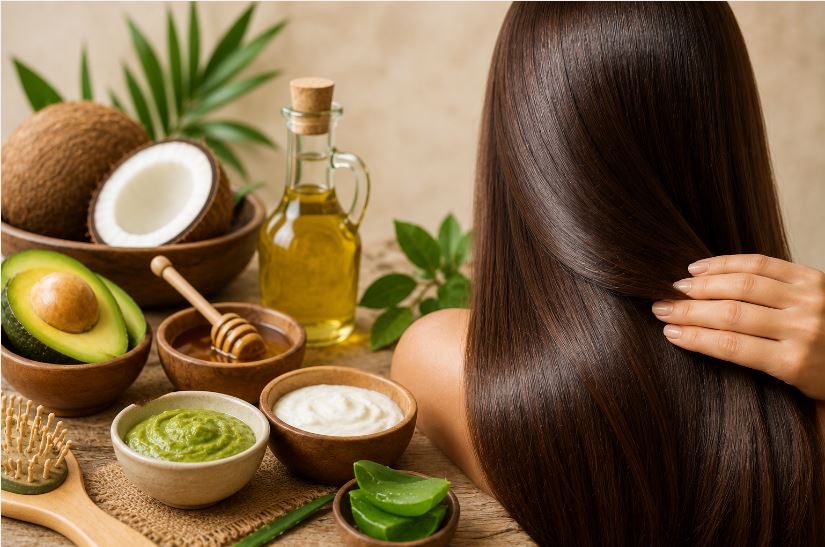
Hair fall, dandruff, and an itchy scalp usually start in one place: buildup. Sweat, dust, styling products, and dead skin cells pile up on your scalp over time. This buildup blocks hair follicles and slows down growth. A scalp detox clears that buildup and gives your roots room to breathe.
Ayurveda has used natural ingredients for scalp detox for centuries. These ingredients don’t just clean the scalp. They nourish it, balance oil production, and support stronger hair growth from the root. This guide walks you through the best ingredients, how Ayurveda approaches scalp care, and a simple routine you can start this week.
Why Your Scalp Needs a Detox Every Now and Then
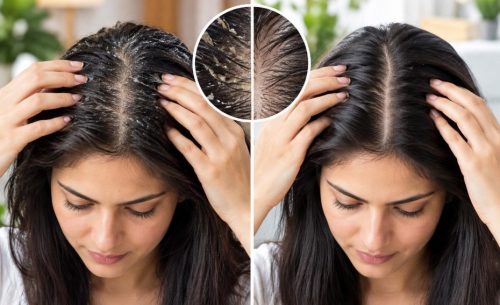
Most people focus on their hair strands. They pick shampoos based on shine or frizz control. But healthy hair starts at the scalp, not the ends.
Your scalp has thousands of tiny pores, just like the skin on your face. These pores get clogged with:
- Sebum, the scalp’s natural oil
- Product residue from gels, serums, and dry shampoo
- Sweat and dust, especially in humid or polluted cities
- Dead skin cells that build up between washes
When pores stay clogged, hair follicles struggle to get oxygen and nutrients. This can lead to hair thinning, slow growth, and a scalp that feels tight, itchy, or greasy no matter how often you wash it.
City life doesn’t help either. Pollution, hard water, and daily stress all add to scalp buildup faster than most people realize. Morning Sun has more on how everyday stress shows up in the body, scalp included, if you want to dig into that connection.
A detox routine, done with the right natural ingredients, clears this buildup without stripping your scalp of the oils it actually needs.
Signs Your Scalp Is Asking for a Cleanse
You don’t need to detox your scalp every week. But watch for these signs:
- Your scalp feels oily again a day after washing
- Flakes or dandruff that keep coming back
- Hair feels limp or heavy, even with light products
- Itching or a tight, tender feeling on the scalp
- Hair fall that seems higher than usual
If two or more of these sound familiar, it’s a good time to try a scalp detox.
Scalp Detox vs. Regular Shampooing
Shampoo cleans the surface. It removes dirt and some oil, but it’s rinsed off within minutes and rarely reaches deep into clogged follicles. A scalp detox works differently. Ingredients like clay, fermented rinses, or herbal pastes sit on the scalp for longer, pulling out buildup that a quick wash leaves behind.
Think of shampoo as your daily habit and scalp detox as the deeper reset you do every week or two. Both matter, but they do different jobs.
Natural Ingredients for Scalp Detox That Actually Work

These ingredients come straight from Ayurvedic kitchens and gardens. Each one targets buildup, inflammation, or scalp imbalance in a different way.
Onion Oil Scalp Cleanse
Onion is rich in sulphur, a mineral your body uses to build keratin, the protein that makes up your hair. A regular onion oil scalp cleanse helps loosen buildup while feeding the follicles with sulphur and antioxidants.
Onion oil also has natural antibacterial properties. This makes it useful for scalps prone to infection or persistent dandruff. Massage this onion hair oil for hair fall in gently, leave it for 30 to 45 minutes, then wash it out with a mild, sulfate-free shampoo.
Neem
Neem has been used in Indian households for generations to treat scalp infections. Its antibacterial and antifungal properties fight the microbes that cause dandruff and an itchy scalp.
Boil a handful of neem leaves in water, let it cool, and use it as a final rinse after shampooing. This simple step calms an irritated scalp and helps clear flakes over a few weeks of regular use.
Fenugreek (Methi) Seeds
Fenugreek seeds are packed with protein and mucilage, a gel-like substance that lifts dirt and product buildup from the scalp. Soak two tablespoons of fenugreek seeds overnight, grind them into a paste in the morning, and apply directly to the scalp for 20 minutes before rinsing.
Fenugreek also has mild anti-inflammatory properties, so it soothes redness and irritation along with cleaning the scalp.
Multani Mitti (Fuller’s Earth)
Multani mitti is a clay used in Ayurveda for oil control and detoxification. It absorbs excess sebum without drying out the scalp completely, which makes it useful for people with oily scalps and flat, weighed-down hair.
Mix multani mitti with water or rose water into a paste, apply it to the scalp, and rinse once it dries. Skip this one if your scalp is very dry, since clay can feel intense on already-dehydrated skin.
Apple Cider Vinegar Rinse
While not strictly Ayurvedic, apple cider vinegar has earned its place in natural hair care. Its mild acidity dissolves product buildup and balances the scalp’s pH, which supports a healthier scalp microbiome.
Dilute one part apple cider vinegar with three parts water, apply after shampooing, and rinse after a few minutes. Skip this step if you have any cuts or active irritation on your scalp.
Bhringraj
Ayurveda calls bhringraj the “king of hair herbs.” It’s known for detoxifying the scalp while also stimulating hair growth and slowing premature greying.
A bhringraj hair oil, infused into a carrier oil like sesame or coconut, makes an excellent pre-wash treatment. Massage it into the scalp in slow, circular motions to boost blood circulation before your regular scalp detox routine.
Tea Tree Oil
Tea tree oil is a strong natural antiseptic. A few drops mixed into your shampoo or carrier oil help clear away bacteria, fungus, and product buildup that regular washing might miss.
Because tea tree oil is potent, always dilute it before applying it to the scalp. Undiluted tea tree oil can irritate sensitive skin.
Scalp Detox Ayurveda: The Traditional Approach

Scalp detox ayurveda isn’t just about ingredients. It’s a philosophy built around balance. Ayurveda links scalp problems to an imbalance in the three doshas: Vata, Pitta, and Kapha.
- A Vata imbalance shows up as a dry, flaky scalp
- A Pitta imbalance often causes inflammation, redness, or premature greying
- A Kapha imbalance leads to an oily scalp with slow-growing hair
Instead of treating symptoms one by one, ayurvedic scalp care aims to bring these doshas back into balance. That’s why ingredients like onion, neem, and bhringraj are often combined rather than used alone. Together, they cleanse, cool, and nourish at the same time.
This approach also treats scalp health as connected to the rest of the body. Diet, sleep, stress, and digestion all play a role in how your scalp behaves, which is why ayurvedic scalp care often goes hand in hand with lifestyle changes rather than a single product.
These rituals go back generations in Indian households. Desh Sansaar covers more everyday Indian traditions like this one, if you’re curious where practices like oil massage and herbal rinses come from.
A Simple Weekly Scalp Detox Routine
Here’s a routine you can follow without overcomplicating your week:
- Day 1, pre-wash oiling: Massage warm bhringraj or onion oil into the scalp. Leave it for 30 to 45 minutes.
- Day 1, cleanse: Wash with a mild, sulfate-free shampoo. Follow with a diluted apple cider vinegar rinse.
- Mid-week, spot treatment: If your scalp feels itchy or flaky, apply a neem leaf rinse after your regular wash.
- Once every two weeks, deep detox: Use a multani mitti or fenugreek paste mask for 20 minutes before washing.

Stick to this for six to eight weeks before judging results. Ayurvedic scalp care works gradually, not overnight.
Monsoon and peak summer months in India can throw this routine off, since humidity and sweat add extra buildup. Desh Sansaar has seasonal living guides that are worth a look if you want to adjust your routine month to month.
Everyday Habits That Keep Your Scalp Clean
Ingredients alone won’t fix a scalp that’s constantly under stress. What you eat, how well you sleep, and how you manage everyday stress all show up on your scalp over time. A diet low in iron, protein, or zinc can slow down results from any hair fall control routine, no matter how many oils you use.
If you want to understand how everyday diet and lifestyle choices affect your hair and overall wellness, Morning Sun covers practical, easy-to-follow wellness guidance that pairs well with any ayurvedic scalp routine.
Common Mistakes People Make During Scalp Detox
- Over-washing: Washing daily strips natural oils and can make an oily scalp worse.
- Skipping the patch test: Ingredients like tea tree oil and apple cider vinegar can irritate sensitive skin if used without a patch test first.
- Using hot water: Hot water dries out the scalp and can trigger more oil production. Use lukewarm water instead.
- Layering too many active ingredients at once: Mixing onion oil, tea tree oil, and vinegar in a single session can overwhelm the scalp. Space out treatments instead.
- Expecting instant results: Scalp detox is a process, not a one-time fix. Give it consistent weeks, not days.
Sleep and hydration matter here too. Poor sleep raises stress hormones, which can throw off scalp oil production. Morning Sun has practical wellness reads on sleep and daily habits that support results from any scalp routine, Ayurvedic or otherwise.
Choosing the Right Ayurvedic Scalp Care Products
Not every “natural” hair oil on the shelf is formulated the same way. Look for products that:
- List actual ingredient percentages, not vague terms like “herbal blend”
- Avoid mineral oil and synthetic fragrance
- Use cold-pressed carrier oils, which retain more nutrients
- Are free from parabens and sulfates
Advik Ayurveda’s Scalp Detox Hair Oil is formulated with onion, bhringraj, and other traditional scalp-cleansing herbs in a cold-pressed base, so you get an authentic ayurvedic scalp care option without guesswork.
A Note for NRIs and Readers Outside India

Authentic Ayurvedic ingredients aren’t always easy to find outside India. Fresh neem leaves or raw bhringraj can be hard to source if you live abroad. Pre-formulated oils that use these ingredients in a stable, ready-to-use form solve this problem without asking you to track down fresh herbs every week.
If you’re planning a trip back home and want to explore more of India’s everyday culture and travel guidance while you’re here, Desh Sansaar has practical reads that NRIs and travelers often find useful for navigating life in India.
More Ways Advik Ayurveda Supports Your Hair Care Routine
A scalp detox works best as part of a full routine, not a one-time fix. Advik Ayurveda’s range of Ayurvedic hair care products is built around traditional ingredients like onion, bhringraj, and neem, so you can pair your detox with everyday nourishment.
Final Thoughts
A clean scalp is the real starting point for healthy hair. Natural ingredients for scalp detox, from onion oil to neem to bhringraj, work with your scalp instead of against it. Start with one or two ingredients, build a simple weekly routine, and give it time. Your scalp, and your hair, will thank you.
FAQs:
Once every one to two weeks works for most people, depending on scalp type.
No. Use it two to three times a week to avoid irritation.
Yes. Clear follicles absorb nutrients better, which can reduce hair fall over time.
Yes. Multani mitti and apple cider vinegar rinses work well for oily scalps.
Most people notice changes after six to eight weeks of consistent use.
Yes. Bhringraj or coconut oil blend well with onion oil.
External Resources
- Healthline: Hair Oiling Benefits, Oil Types, and How To
- NCCIH (National Institutes of Health): Complementary and Integrative Health Approaches
Leave a Reply