

“Toxin-free” is printed on more skincare bottles every year, right next to “natural,” “clean,” and “chemical-free.” None of these words are legally defined in most countries, which means a brand can print them on packaging without changing a single ingredient. That’s not a reason to dismiss the idea — it’s a reason to understand what it should actually mean.
Toxin free skincare products, done properly, aren’t about fear or marketing. They’re about formulating with ingredients that have a track record of being gentle on skin and the body, and leaving out the ones that don’t need to be there in the first place — harsh sulphates, synthetic fragrance blends, parabens, and a handful of other additives that show up in study after study for the wrong reasons.
This piece breaks down what the label should actually guarantee, how to tell a genuine natural skincare brand from a greenwashed one, and why this category has grown from a niche interest into a mainstream expectation.

What “Toxin-Free” Actually Means (and What It Doesn’t)
Strictly speaking, no cosmetic product is entirely free of every chemical — water is a chemical, and so is plant oil. When the skincare industry uses “toxin-free,” it’s shorthand for something more specific: the formula excludes a known list of ingredients that research has repeatedly flagged as unnecessary irritants, hormone disruptors, or long-term skin stressors.
That list typically includes parabens (preservatives linked to hormonal disruption in lab studies), sulphates like SLS (harsh detergents that strip the skin’s natural barrier), synthetic fragrance blends (a leading cause of skin sensitisation), phthalates, and formaldehyde-releasing preservatives. A genuinely toxin-free product is formulated without these, using gentler alternatives — plant-based surfactants, natural preservatives, and essential-oil-based scent instead of an undisclosed “fragrance” blend.
It’s worth being honest about the limits here too. Toxin-free doesn’t mean risk-free for every single person — plenty of natural ingredients can still cause a reaction in someone with a specific sensitivity. What it does mean is that the formula isn’t relying on ingredients that are broadly known to cause problems across a wide range of skin types, which is a meaningfully different, and more achievable, standard.

Toxin Free Skincare Products: How to Actually Read a Label
Marketing claims are easy to print. Ingredient lists are harder to fake. When you’re evaluating toxin free skincare products, the label is where the real answer lives — not the front of the bottle.
- Scan for “fragrance” or “parfum” listed as a single word — this can legally hide dozens of undisclosed chemicals.
- Check for parabens, listed as methylparaben, propylparaben, or similar — these are preservatives with documented hormone-disrupting potential.
- Look for sulphates, especially sodium lauryl sulphate (SLS), which is a common cause of dryness and irritation in cleansers.
- Watch for mineral oil and petrolatum, which sit on the skin rather than absorbing, and can trap other substances underneath.
- Favour short, recognisable ingredient lists over long ones — it’s not a rule without exceptions, but it’s a reasonable first filter.
A product that’s genuinely toxin-free won’t hide its formula behind vague terms. It will list plant extracts, named oils, and clearly identified preservatives, because there’s nothing to obscure.
Want a deeper breakdown of which specific ingredients to look for and avoid? Morning Sun’s guide to skincare ingredients you should use and avoid covers the science in more detail.
Chemical Free Skincare India: Why the Category Is Booming
Chemical free skincare India-wide has moved from a niche shelf in a health-food store to a mainstream expectation, and the shift didn’t happen by accident. A few forces are driving it at once.
- Rising awareness of ingredient safety, partly fuelled by international research and databases that rate personal care products by hazard level.
- A generation of skincare buyers who read labels before checking prices, driven largely by social platforms where ingredient breakdowns go viral.
- Growing sensitivity and allergy rates, which have pushed more people toward simpler, gentler formulas by necessity rather than trend.
- A renewed interest in Ayurveda and traditional Indian skincare, which was formulating with plant-based, chemical-free ingredients long before “clean beauty” became a marketing term.

India sits in an interesting position here — it’s both a major consumer market for this shift and the historical source of many of the ingredients driving it.
There’s also a practical reason the shift has stuck rather than faded like other beauty trends: people who switch to gentler formulas often notice fewer breakouts, less redness, and less dependence on heavy products to mask irritation caused by the previous routine. That kind of visible, personal result tends to hold attention longer than any marketing campaign could.

What Separates a Genuine Natural Skincare Brand From a Greenwashed One
Not every brand using leaf icons and earthy packaging is being honest about its formulas. A genuine natural skincare brand tends to share a few traits that greenwashed ones usually skip.
- Full ingredient transparency, including exact percentages for key actives rather than vague claims like “infused with herbs.”
- Third-party certifications or lab testing, rather than only self-declared claims.
- Consistency across the entire range, not just one flagship “clean” product surrounded by conventionally formulated ones.
- No reliance on the word “natural” alone — since even genuinely harmful ingredients can technically be derived from natural sources, the term means little without ingredient-level detail.
The easiest way to separate the two is simple: ask the brand what’s not in the product, and see how specific the answer is.
Curious about the deeper cultural roots behind India’s natural beauty traditions? Desh Sansaar’s journey through India’s rituals, arts, and lifestyle traces where many of these practices actually began.
Clean Beauty India: The Ayurvedic Angle
Clean beauty India often gets framed as a modern trend, but Ayurveda has been working from the same basic principle for thousands of years: use what the body recognises, avoid what it doesn’t, and treat skin issues as a sign of imbalance rather than something to mask.
Neem’s antibacterial properties, turmeric’s anti-inflammatory action, and multani mitti’s gentle oil-absorbing clay structure have specific, well-documented roles. This is part of why so many toxin-free formulas today lean on Ayurvedic ingredients — the tradition was already solving for gentleness and effectiveness without synthetic shortcuts.
Building a Toxin-Free Routine Without Overhauling Everything at Once
Switching an entire skincare shelf overnight isn’t necessary, and it isn’t how most people actually stick with a change. A more realistic approach works product by product.
- Start with the products that stay on your skin longest, like moisturisers and serums, before worrying about rinse-off products like face wash.
- Replace one category at a time — face wash this month, toner next month — so the switch feels manageable rather than overwhelming.
- Keep a short list of the ingredients you’re avoiding so you’re not relearning label-reading from scratch every time you shop.
- Expect an adjustment period.
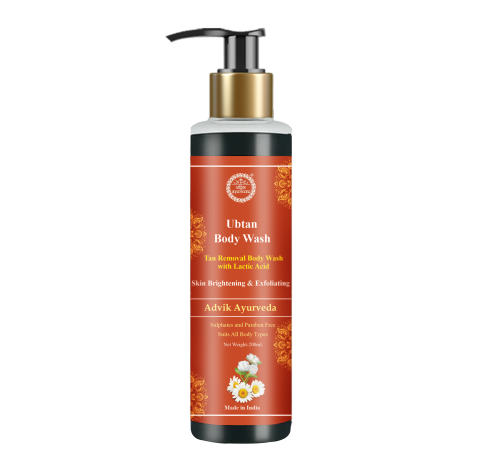
Curious how this philosophy started? Read the story behind Advik Ayurveda’s chemical-free approach and why it began with one mother’s search for a safer lip balm.
Conclusion:
Toxin-free skincare isn’t a buzzword when it’s done right — it’s a formulation standard. It means reading past the front label, understanding what’s actually excluded, and choosing brands that are specific rather than vague about their ingredients. None of this requires becoming a chemist. It just requires knowing which handful of ingredients to check for, and treating “natural” and “clean” as starting points for a question, not the final answer.
Whether you’re just starting to read labels more carefully or looking to switch your entire routine, the goal stays the same: skincare that supports your skin instead of quietly working against it.
FAQs:
Not necessarily. “Natural” describes ingredient origin, while “toxin-free” refers to the exclusion of specific harmful ingredients.
Paraben-free products avoid one specific category of preservative, but safety still depends on the rest of the formula. Look at the full ingredient list rather than relying on a single claim.
Natural preservatives and plant-based actives are often harder to source and have shorter shelf lives than synthetic alternatives, which can affect pricing.
Yes. “Toxin-free” doesn’t mean hypoallergenic. Essential oils and plant extracts can still trigger sensitivity in some people, so a patch test is worth doing with any new product, natural or not.
Check the full ingredient list against known ingredients of concern, look for third-party certifications, and see whether the brand is specific about what it excludes rather than relying on vague marketing language.
External Resources
EWG Skin Deep — Cosmetics Ingredient Safety Database
Leave a Reply