

Every bride hears the same advice: start early, keep it simple, trust your skin. Indian families have followed it for centuries with one humble paste. Using ubtan for pre wedding glow is not a trend. It is a ritual that has outlasted filters, fads and fancy facials.
This guide explains what ubtan is, why it works, and how to use it in the weeks before your wedding. You will get easy recipes, a clear eight-week plan and honest safety tips. It is written for brides in India and for brides, grooms and families living abroad who want a calm, natural routine.
What Is Ubtan and Why Do Brides Still Use It?
Ubtan is a dry or paste-like blend of powdered grains, pulses, herbs and spices. You mix it with milk, curd, rose water or oil and massage it over the face and body. As it dries, you rub it off gently. It cleans, softens and lifts dull skin without harsh chemicals.
Old recipes used gram flour, turmeric, sandalwood, saffron and orange peel. Families passed them down from mother to daughter. Today, brides in Delhi, Dubai, London and Toronto still ask for the same thing: skin that looks fresh, even and calm on camera and in person.
The haldi ubtan tradition
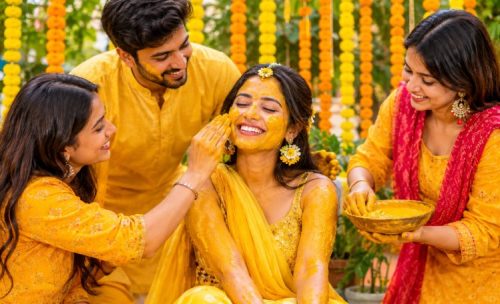
The haldi ubtan tradition sits at the heart of Indian weddings. A day or two before the ceremony, relatives apply a yellow paste to the bride and groom. Songs, jokes and photos fill the room. It looks like play, but it has a practical side too.
The paste cleans the skin, softens it and gives a warm, golden tone. The massage slows everyone down. Many families see it as a blessing for good health and a happy start. Whatever your beliefs, the ritual gives you a moment of care in a busy week.
How Ayurveda looks at bridal skin
Ayurveda links skin health to digestion, sleep, stress and your natural body type, called dosha. A dry, easily irritated skin may point to excess Vata. Redness and sensitivity often go with Pitta. Oily, heavy skin may relate to Kapha. If you want a closer look at your type, this virtual dosha assessment is a helpful starting point.
So bridal skincare in Ayurveda is never just a face pack. It is a full routine: cleanse, nourish, eat well, rest well and keep the mind steady. Ubtan is the visible part of that routine. Learn more about the basics in this plain-language Ayurveda explainer.
Why Ubtan for Pre Wedding Glow Works
No paste can change your skin overnight. What ubtan does well is simple, and that is why it lasts. Here are the three main reasons brides love it.
It exfoliates gently
Fine flours and pulses lift dead cells from the surface. Unlike hard scrubs with sharp grains, a soft ubtan removes dullness without scratching. Smooth skin also takes makeup better, so your base sits evenly on the day.
It uses brightening, soothing ingredients
Turmeric, sandalwood and saffron are classic bridal ingredients. Traditional texts praise them for tone and comfort. Modern research on turmeric focuses mostly on its active compound, curcumin, and findings are still developing. Treat these herbs as supportive care, not as medicine.
It turns skincare into a routine
A weekly massage improves blood flow to the surface and relaxes tight muscles around the jaw and neck. It also builds a habit. Brides who follow a steady routine for weeks usually see better results than those who try five products in the last three days.
Want a ready-made option?
Advik Ayurveda offers a Kesar Ubtan face scrub and face wash built on this same saffron and turmeric tradition.
Key Ubtan Ingredients and What They Do
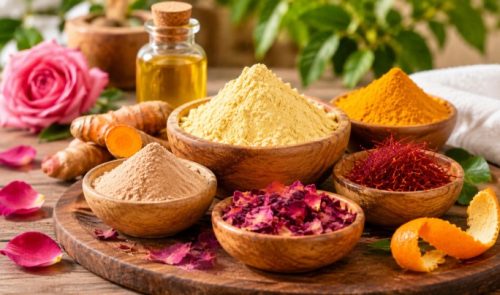
- Gram flour (besan): a soft cleanser that absorbs extra oil.
- Turmeric (haldi): gives a warm tone and is valued for its soothing role.
- Sandalwood (chandan): cooling and calming, good for warm, reactive skin.
- Saffron (kesar): a luxury herb linked with radiance in classic recipes.
- Orange peel powder: adds light exfoliation and a fresh scent.
- Rose water: a gentle liquid base that tones and hydrates.
- Milk or curd: adds softness and a mild lactic action.
- Almond or sesame oil: supports dry skin and reduces tightness.
Fresh, clean powders matter. Old, damp or adulterated powders can irritate skin. Buy small amounts from a trusted source and store them in dry glass jars.
Simple Ubtan Recipes You Can Make at Home
These recipes use kitchen basics. Always do a patch test first (see the safety section below). Apply on clean skin and never rub hard.
Classic haldi-chandan ubtan (normal to combination skin)
Mix two tablespoons of gram flour, a pinch of turmeric, one teaspoon of sandalwood powder and enough rose water to make a smooth paste. Spread a thin layer on the face and neck. Leave it for 10 to 12 minutes. When it is almost dry, wet your fingers and massage in small circles. Rinse with lukewarm water.
Hydrating ubtan for dry skin
Mix two tablespoons of gram flour, one teaspoon of almond powder, a pinch of turmeric and two tablespoons of raw milk or cream. Add a few drops of almond oil. Keep it on for 10 minutes and rinse. Follow with a light moisturiser or pure aloe vera gel.
Balancing ubtan for oily skin
Mix two tablespoons of gram flour, one teaspoon of orange peel powder, a pinch of turmeric and enough curd or rose water for a thin paste. Leave it for 8 to 10 minutes. Rinse and pat dry. Use it twice a week, not daily.
Turmeric can leave a faint yellow tint, especially on fair skin. Use a small amount, or swap it with extra sandalwood if this bothers you.
How to Apply Ubtan: A Simple Step-by-Step Method
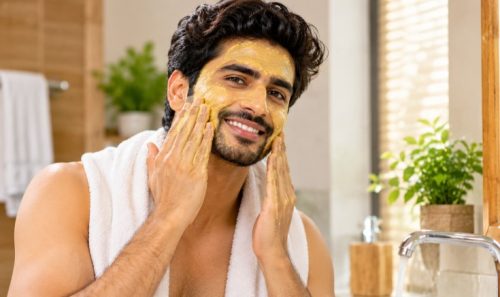
- Cleanse first. Wash with a mild cleanser and pat the face dry.
- Mix fresh. Prepare only what you need. Stored paste can grow germs.
- Apply thin and even. Avoid the eye area and lips. Keep the layer light.
- Wait 10 minutes. Sit back and relax. Do not talk or laugh much while it dries.
- Massage off. Wet your fingertips and move in slow, upward circles.
- Rinse and moisturise. Use lukewarm water, pat dry, then apply a light moisturiser and, in daytime, sunscreen.
For the body, mix a larger batch with a little oil. Pay extra attention to elbows, knees, neck and back, where tan and dryness collect. Take a warm shower afterwards, not a hot one. Hot water strips natural oils and can leave skin tight.
Your 8-Week Bridal Skincare Ayurveda Timeline

Good skin follows good planning. Here is a practical schedule you can adjust to your own date. If your wedding is closer, start with the final four weeks.
8 to 6 weeks before: build the base
Keep your routine plain. Cleanse morning and night, moisturise and use sunscreen in the day. Use ubtan once a week. Note how your skin reacts. Do not start any new strong product now. This is also the time to fix sleep and water habits.
5 to 3 weeks before: add rhythm
Raise ubtan to twice a week on the face and once a week on the body. Add a gentle oil massage on the arms and back before a warm bath. Brides who like a guided approach can look at these natural skin glow protocols for structured, personalised ideas.
2 weeks before: protect what you have built
Keep things steady. Do not try a new facial, peel or laser at this stage. Fresh treatments can cause redness or breakouts right when you need calm skin. Stick with your ubtan, a simple cleanser and sunscreen.
Final week: soften and rest
Use a mild ubtan two or three days before the haldi ceremony, then stop heavy scrubbing. Drink water, sleep early and eat light, fresh food. Let the family haldi be your last big skin ritual before the wedding.
Natural Bridal Glow Tips Beyond the Ubtan

Your face reflects your daily life. These small habits support every paste you apply.
- Eat warm, fresh meals. Include fruit, vegetables, nuts, ghee in small amounts and plenty of fluids. See the NHS guide to eating well for a balanced base.
- Protect your sleep. Seven to eight hours helps skin repair and keeps mood steady. Simple habits are listed in this NHS sleep guide.
- Use sunscreen daily. Tan is the biggest enemy of an even bridal tone.
- Move and breathe. A short walk, light yoga or ten minutes of slow breathing lowers wedding stress.
- Keep your hormones in mind. Cycle changes, thyroid issues or PCOS can affect skin. Read this practical guide on women’s health in India and speak to a doctor if you see sudden changes.
Common Ubtan Mistakes Brides Should Avoid
Even a gentle tradition goes wrong when used carelessly. Watch for these errors.
- Scrubbing hard on a dry paste. Always wet your fingers first.
- Leaving the paste on until it cracks. Rinse once it is nearly dry.
- Using ubtan every day. Two to three times a week is plenty.
- Trying a new recipe the night before the event.
- Ignoring a burning or itching feeling. Wash off at once.
Short on time to grind and mix?
Advik Ayurveda keeps its Kesar Ubtan range ready to use, so you can follow the ritual in minutes.
Tips for NRI and Overseas Brides

If you live abroad, getting fresh herbs can be hard. Look for sealed, dated powders and check ingredient lists. Dry climates and heated rooms can make skin tighter, so add a richer moisturiser in winter. Use less turmeric if you are sensitive, and keep your own towels, as the yellow can stain.
Planning to fly to India for the wedding? Give your skin a few days to settle after the flight before you use any paste. Jet lag, cabin air and changed water can all affect skin. Many NRI families also blend ubtan with a traditional oil massage. Wellness centres in India offer such care, and this guide on Abhyanga and rejuvenation therapies explains what a typical session involves.
Patch Test and Safety Note
Natural does not mean risk-free. Herbs, milk, nuts and essential oils can trigger allergies. Dab a pea-sized amount of the mix on the inner forearm and wait 24 hours. Skip the recipe if you see redness, swelling or itching.
Avoid ubtan on broken, sunburnt or infected skin. If you have eczema, rosacea, acne scars under treatment or take strong medicines, ask your doctor or dermatologist first. For background on skin reactions, read the NHS page on contact dermatitis. Also read the medical disclaimer on DeshSansaar before relying on any home remedy.
Ready to start your own routine?
Conclusion
Glowing wedding skin comes from patience, not panic. A weekly ubtan, good food, sleep and sunscreen can do more than a last-minute rush. Start early, keep it gentle and enjoy the ritual. If you want an easy start, Get Your Natural Glow with Advik Ayurveda and let your skin feel ready for the big day.
FAQs:
No. Use it two or three times weekly. Daily use can dry or irritate skin.
Start eight weeks before. Even four weeks of steady use helps.
Often yes, but patch test first. Use less turmeric and add sandalwood.
Yes. Grooms can use the same routine twice weekly for a clean, even look.
No. Keep your cleanser, moisturiser and sunscreen. Ubtan is an addition, not a replacement.
No. It improves dullness and tone temporarily. It does not alter natural skin colour.
Leave a Reply