

Dry skin on the face is a widespread issue that can cause discomfort and even pain, affecting people regardless of age or skin type. Recognizing its causes, symptoms, and treatment options is essential for effective management and restoring skin health.
Understanding the factors contributing to dryness, such as environmental elements, skincare products, or underlying health conditions, enable tailoring treatment approaches. Symptoms may include tightness, flakiness, or itching, which can impact daily comfort and confidence. Treatment typically involves hydrating skincare routines, incorporating gentle cleansers and moisturizers, and avoiding harsh products or excessive cleansing. Also, lifestyle adjustments like staying hydrated, using humidifiers, and protecting skin from harsh weather conditions can alleviate symptoms. Seeking advice from dermatologists can provide personalized solutions for addressing dry skin concerns, promoting skin rejuvenation and overall well-being.
Recommended Product

Causes of Dry Skin on the Face
- Environmental Factors: Exposure to dry air, particularly during colder months or in regions with low humidity, can strip the skin of its natural moisture, leading to dryness.
- Harsh Skincare Products: Certain facial cleansers, toners, and exfoliants containing alcohol or strong fragrances can disrupt the skin’s barrier function, causing moisture loss and dryness.
- Hot Showers or Baths: Prolonged exposure to hot water can deplete the skin’s natural oils, leaving it dry and prone to irritation.
- Ageing: As we age, the skin produces fewer natural oils, making it more susceptible to dryness and dehydration.
- Underlying Health Conditions: Conditions such as eczema, psoriasis, and thyroid disorders can contribute to dry skin on the face, exacerbating symptoms.
- Unhealthy Lifestyle Habits: Smoking, excessive alcohol consumption, and poor nutrition can negatively impact skin health, leading to dryness and other skin issues.
- Medications: Some medications, such as those for acne or high blood pressure, can have drying side effects, affecting the skin’s moisture balance.
- Overexposure to Sun: Prolonged sun exposure without adequate protection can damage the skin’s moisture barrier, leading to dryness and premature ageing.
Symptoms of Dry Skin on the Face
- Tightness: Dry skin often feels tight, especially after cleansing or exposure to harsh environmental conditions. This sensation is due to the lack of moisture and elasticity in the skin.
- Flakiness: One of the hallmark signs of dry skin is flakiness or peeling, particularly around the nose, eyebrows, and cheeks. Dead skin cells accumulate on the surface, giving a rough and uneven texture.
- Itching: It can be itchy, leading to discomfort and the urge to scratch. Persistent scratching can further damage the skin’s barrier and increase the risk of inflammation and infection.
- Redness: Dryness may cause redness or inflammation on the face, especially in sensitive areas. This can be exacerbated by exposure to irritants or allergens.
- Fine Lines and Wrinkles: When the skin lacks adequate moisture, fine lines and wrinkles may become more pronounced, giving the appearance of premature ageing.
- Dullness: Dry skin often looks dull and lackluster due to the inability to retain moisture and reflect light properly. This can make the complexion appear tired or aged.
- Sensitivity: Dry skin is more prone to sensitivity and irritation, as the protective barrier is compromised. This can lead to reactions to skincare products or environmental triggers.
- Cracks or fissures: In severe cases, dry skin may develop cracks or fissures, especially in areas with repetitive movement or high friction, such as the corners of the mouth or nostrils.
Recommended Product

Managing Dry Skin on the Face: Treatment Options
- Use a Gentle Cleanser: Opt for a mild, fragrance-free cleanser that won’t strip your skin of its natural oils. Look for ingredients like glycerin and hyaluronic acid, which hydrate the skin.
- Moisturize Regularly: Apply a rich, hydrating moisturizer to your face twice a day, especially after cleansing. Choose a moisturizer that contains ingredients like ceramides, shea butter, or squalane to lock in moisture and repair the skin’s barrier.
- Avoid Hot Water: Take shorter showers with lukewarm water instead of hot water, as hot water can further dry out your skin.
- Use a Humidifier: Invest in a humidifier to add moisture to the air in your home, especially during the winter months when the air is dry.
- Protect Your Skin: Wear sunscreen daily to protect your skin from the sun’s harmful UV rays, which can exacerbate dryness and damage the skin.
- Stay Hydrated: Drink plenty of water throughout the day to keep your skin hydrated from the inside out.
- Avoid Irritants: Steer clear of harsh skincare products, alcohol-based toners, and abrasive exfoliants that can irritate skin.
- Consider Prescription Treatments: If over-the-counter remedies don’t provide relief, consult a dermatologist who may prescribe topical treatments or recommend other interventions tailored to your specific needs.
Top Picks for Dry Skin: Our Recommendations
Advik Ayurveda Kesar Ubtan Face Wash: Discover the rejuvenating power of Kesar Ubtan Face Wash! Infused with saffron and natural ingredients, this gentle cleanser deeply nourishes dry skin, leaving it soft and supple. Experience the luxury of traditional skincare with every wash, revealing a radiant complexion and a refreshed glow.
Recommended Product

Advik Ayurveda Vitamin C Serum:
Experience the transformative benefits of Vitamin C Serum. Formulated with potent antioxidants, this serum brightens and hydrates dry skin, diminishing fine lines and boosting collagen production. Achieve a luminous complexion and protect against environmental stressors. Elevate your skincare routine with this essential product for radiant, youthful-looking skin.
Recommended Product
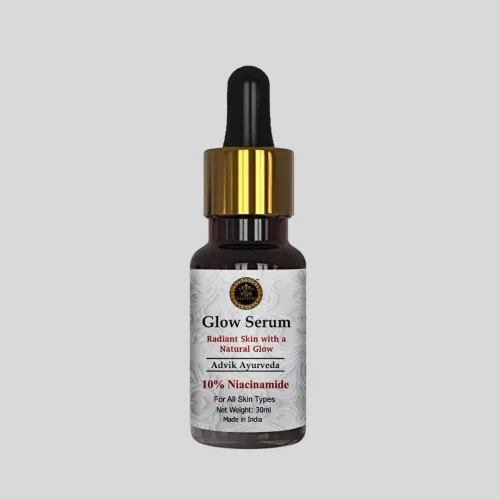
Advik Ayurveda Glow Serum with Niacinamide & Hyaluronic Acid: Getradiant skin with Glow Serum featuring Niacinamide & Hyaluronic Acid. This powerful blend hydrates and revitalizes dry skin, while Niacinamide brightens and evens out skin tone. With each application, enjoy a luminous complexion and diminished fine lines. Elevate your skincare routine with this potent serum for a radiant, youthful glow.
Recommended Product
Advik Ayurveda Kesar Ubtan Face Scrub: Experience the rejuvenating effects of Kesar Ubtan Face Scrub. Enriched with saffron and natural exfoliants, this gentle scrub removes dead skin cells, revealing a smoother, brighter complexion. Nourish dry skin while enjoying the luxurious aroma of traditional skincare. Elevate your beauty routine with this essential product for a radiant glow.
Recommended Product

Advik Ayurveda Niacinamide Moisturizer: Hydrate and rejuvenate your skin with Niacinamide Moisturizer. Packed with nourishing ingredients, including niacinamide, this moisturizer effectively replenishes dry skin, leaving it soft and supple. Combat fine lines and uneven texture while promoting a radiant complexion. Elevate your skincare routine with this essential moisturizer for a healthy, glowing look.
Recommended Product

Summarizing
Dry skin on the face is a common condition that can be managed effectively with the right approach. By understanding the causes and symptoms of dryness, adopting a gentle skincare routine, and incorporating hydrating products, you can restore your skin’s health and vitality. Remember to be patient and consistent in your efforts, and don’t hesitate to seek professional advice if needed. With proper care, you can achieve a radiant, hydrated complexion and feel confident in your skin.
FAQs
- What causes dry skin on the face?
- Dry skin on the face can be caused by factors like harsh weather conditions, hot showers, age, genetics, and certain medical conditions such as eczema or hypothyroidism.
- How can I tell if I have dry skin or another skin condition?
- Dry skin is often characterized by tightness, flakiness, redness, itching, and sometimes fine lines. Consulting a dermatologist can determine if you have dry skin or another underlying condition.
- Can my skincare routine worsen dry skin?
- Yes, using harsh cleansers, over-exfoliating, or not moisturizing enough can exacerbate dry skin. Opt for gentle cleansers, moisturizers, and hydrating serums to prevent further irritation.
- Should I exfoliate dry skin on my face?
- Exfoliating can remove dead skin cells and improve the absorption of moisturizers, but it’s important to choose gentle exfoliants and not overdo it, as it can further irritate dry skin.
- Is it safe to use retinol on dry skin?
- Retinol can be beneficial for improving skin texture and reducing fine lines, but it can also cause dryness and irritation, especially when starting out. Start with a lower concentration and gradually increase as your skin adjusts.
- Can diet affect dry skin on the face?
- Yes, a diet lacking in essential fatty acids, vitamins, and hydration can contribute to dry skin. Incorporating foods rich in omega-3 fatty acids, antioxidants, and staying hydrated can improve skin health.
- Can dry skin on the face lead to acne?
- Yes, dry skin can cause an overproduction of oil as the skin tries to compensate for the lack of moisture, leading to clogged pores and acne breakouts.
- How often should I apply moisturizer for dry skin?
- It’s recommended to apply moisturizer to dry skin on the face at least twice a day, ideally after cleansing and before bedtime. You may need to apply more frequently in harsh weather conditions.
- Are there any natural remedies for dry skin on the face?
- Natural remedies like coconut oil, honey, aloe vera, and oatmeal can soothe and moisturize dry skin. However, it’s essential to patch-test and consult with a dermatologist before trying any new ingredients.
- When should I see a dermatologist for dry skin on the face?
- If dry skin persists despite using over-the-counter remedies, or if you experience severe itching, redness, or inflammation, it’s advisable to consult a dermatologist for a personalized treatment plan.
Leave a Reply