
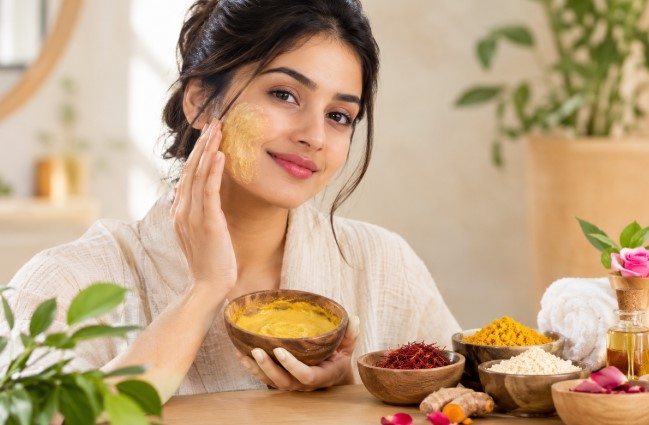
If you have ever seen a haldi ceremony, you have seen ubtan. Someone smooths a golden paste over the skin, family members laugh, and the bride or groom glows by the end of the day. But what is ubtan made of, and is the glow only about the occasion?
Ubtan is a simple Indian skincare paste. You make it from a few kitchen and herbal powders and a liquid. Families have used it for many generations. This guide explains the ingredients, the history, and the reasons it can leave skin feeling clean and soft. This guide speaks to readers in India and to anyone abroad who wants to understand this ritual before trying it.
What Is Ubtan?
Ubtan (also spelt utna or uptan) is a dry herbal powder blend that you mix into a paste. You apply it, let it dry a little, and then rub it off with wet hands. The rubbing action is part of the method. It lifts dead skin, dust, and oil along with the powder.
Many people trace the word back to udvartana, a Sanskrit term for a dry powder massage that classical Ayurvedic texts describe. Over time the practice moved from medical texts into homes and wedding rituals. Today you can find it as a home recipe, a spa treatment, and a ready-made cleanser such as Advik Ayurveda’s Kesar Ubtan range.
What Is Ubtan Made Of? The Core Ingredients
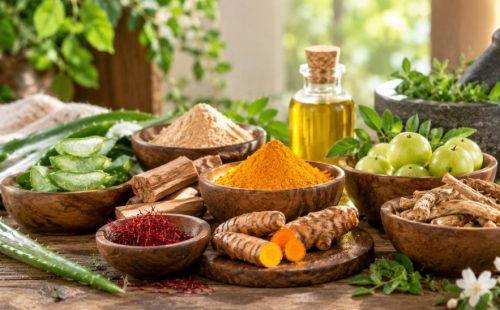
There is no single official recipe. Each region and family adjusts the mix. Still, the same handful of ingredients appear again and again. These are the traditional ubtan ingredients most people mean when they ask about ubtan.
Besan (Chickpea Flour)
Besan is the base of most ubtans. It has a fine, slightly gritty texture, so it works as a soft scrub. It also soaks up surface oil. Western shops sell it as chickpea flour or gram flour, and you can usually find it in the baking aisle or an Indian grocery.
Turmeric (Haldi)
Turmeric gives ubtan its golden colour and its name in many wedding customs. It contains curcumin, a pigment that researchers have studied for antioxidant and calming effects. You can read a plain overview on the US National Center for Complementary and Integrative Health page on turmeric and a general background on turmeric as a plant and spice. A face mix needs only a small pinch, because too much will stain.
Sandalwood (Chandan)
Sandalwood powder has a cool, soft scent. Traditional use links it with soothing sun-tired skin and tightening the look of pores. It also makes the paste feel smoother. If you want to know more about the tree itself, this overview of sandalwood is a good start.
Saffron (Kesar)
Saffron is the luxury ingredient. Makers add a few threads, soaked in milk or rose water, to richer, royal-style mixes. Indian beauty tradition links it with a brighter, more even look.
The Liquids: Rose Water, Milk, Curd
The powders need something to bind them. Rose water is light and cooling. Raw milk or malai adds softness. Curd adds a mild lactic acid that helps loosen dull surface cells. Oily skin usually prefers rose water. Dry skin often prefers milk or cream.
Common Extras
- Almond powder or oats for extra softness
- Masoor dal (red lentil) powder for a finer scrub
- Neem powder for oily or acne-prone skin
- Multani mitti (fuller’s earth) for deep oil control
- Dried orange peel powder for a fresh scent
- A few drops of sesame or almond oil for dry skin
Traditional Ubtan Ingredients Across India
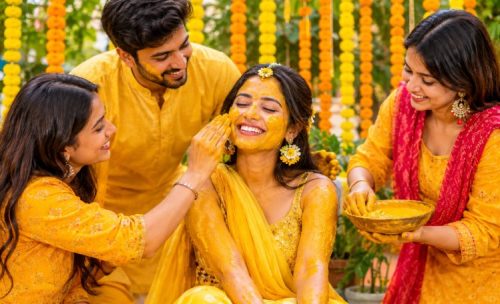
Ubtan changes as you travel. Families in Punjab and Gujarat often call the pre-wedding paste pithi and lean on turmeric and besan. Bengalis call the ritual gaye holud. In many northern homes you will hear mayun or simply haldi. Coastal and southern families may add more oils and herbs, and fewer dairy products.
The reason is practical. People used what grew nearby. A family near a sandalwood-growing region used sandalwood. A family with a dairy farm used cream. This is why two ubtans can look different and still follow the same idea: cleanse, polish, and soften.
Ubtan History in India
Ubtan history in India stretches across medicine, marriage, and daily life. Three threads are worth knowing.
The Ayurvedic thread. Classical Ayurveda describes udvartana, a dry herbal powder rub that people did before or after oil massage. It was part of a daily and seasonal routine meant to keep skin clean and the body light. If you want a plain-language view of Ayurveda for people living outside India, DeshSansaar’s Ayurveda guidance breaks it down.
The ritual thread. Ubtan became a core part of Solah Shringar, the sixteen traditional ways of adorning a bride. Families gather, sing, and apply the paste together. The act is social as much as cosmetic. It marks the start of wedding preparations in many Hindu and Muslim families.
The household thread. Away from weddings, grandmothers kept a jar of ubtan powder for children, for festival baths, and for tan after summer. Families passed recipes down by memory, with a pinch here and a spoon there. That is why no two family recipes match exactly.
Why Ubtan Works on Skin

Ubtan is not magic. It works because each ingredient does a small, useful job. Together they make a gentle routine.
It Exfoliates Without Harsh Beads
Besan, oats, and lentil powders are fine and soft. When you rub the semi-dry paste off, the grains lift dead cells and dust. Many people find this gentler than a coarse scrub, though you should still go lightly.
It Absorbs Extra Oil
Chickpea flour and clays pull oil from the surface. That is why skin often feels clean and matte after a wash. It does not strip the skin when you pair it with milk, curd, or a drop of oil.
It Brings Plant Antioxidants to the Skin
Turmeric, sandalwood, and saffron all contain plant compounds studied for antioxidant activity. This review of curcumin and human health explains the research. It also shows why you need caution: much of the evidence comes from lab and small human studies, and absorption through skin is limited.
It Slows You Down
A weekly ubtan session is a pause. You massage, wait, rinse, and moisturise. Even this small ritual can make skin care more regular, and regular care is what usually shows results.
What It Will Not Do
Ubtan will not cure acne, melasma, eczema, or other skin conditions. If you have a persistent skin problem, see a dermatologist. Think of ubtan as a cleansing and polishing step, not a treatment.
Turmeric and Besan Skincare: A Simple Home Recipe
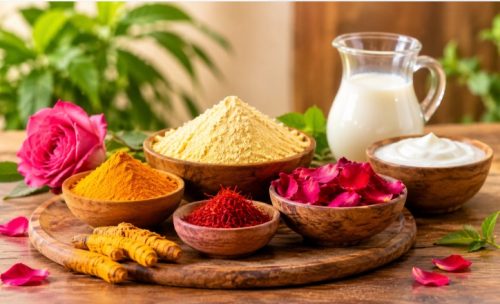
The easiest way to understand turmeric and besan skincare is to make a small batch. Use clean, dry powders and fresh liquid.
- 2 tablespoons besan
- A pinch of turmeric (about one-eighth of a teaspoon)
- 1 teaspoon sandalwood powder
- Rose water or raw milk, enough to make a thick paste
Mix into a smooth paste. Apply a thin layer to clean, damp skin, avoiding the eyes. Leave it for about ten minutes, until it feels slightly tight. Wet your fingers and rub in small circles, then rinse with lukewarm water. Moisturise afterwards. Use once or twice a week.
Do a patch test first. Apply a small amount on your inner forearm and wait a day. Besan, nuts, milk, and saffron can cause reactions in some people. Skip nut-based add-ins if you have allergies.
Which Skin Types Suit Ubtan?
Oily and combination skin. These skin types usually enjoy ubtan most. Besan and sandalwood take away shine, and rose water keeps the mix light.
Dry skin. Choose milk, malai, or a few drops of almond oil as the liquid. Keep the session short, and moisturise right after rinsing.
Sensitive or reactive skin. Go slowly. Skip rough add-ins, use the softest powders, and wait a few weeks before increasing how often you use it. If your skin burns or turns red, rinse off and stop.
Tanned skin after travel. Many visitors to India ask about ubtan after a beach or hill holiday. Gentle weekly use may help the skin look fresher, but tan fades slowly. Sunscreen and shade do more than any paste.
Common Ubtan Mistakes to Avoid
- Using too much turmeric, which leaves a yellow tint on the skin and towels.
- Rubbing hard on dry paste, which can irritate the skin.
- Using lemon juice on the face, which can sting and increase sun sensitivity.
- Storing mixed paste for days. Mix fresh each time, and keep only the dry powder.
- Skipping sunscreen. Any exfoliation makes daily sun protection more important.
Ubtan for NRIs, Travellers, and Overseas Readers
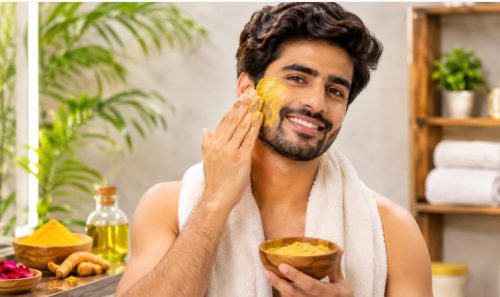
If you live abroad, you can still follow the tradition. Ask for chickpea flour, buy turmeric and sandalwood from an Indian grocery or a trusted online seller, and use rose water from the baking or beauty aisle. Hard water can leave powder residue, so rinse well.
Treat claims you read online with caution. Social media often promises overnight results. DeshSansaar’s guide to India myths versus reality reminds you to check what is tradition, what is marketing, and what has real evidence behind it.
Every body is different, too. Ayurveda looks at skin type through the lens of doshas. A short virtual dosha assessment from Morning Sun can help you understand whether your skin leans dry, oily, or sensitive before you pick ingredients.
From Kitchen Paste to Everyday Face Wash

A home ubtan is lovely, but it takes time. You have to measure, mix, wait, and rinse. Most people cannot do that every morning. That is where a ready-made cleanser can help. It keeps the traditional ingredients, such as saffron and turmeric, in a form that is quick to use and suitable for daily washing.
Want the ubtan idea in a simple daily step?
Ubtan and Abhyanga: A Classic Pair
Ayurveda often pairs a dry powder rub with a warm oil massage called abhyanga. Oil nourishes, and ubtan gently clears what remains. If you are curious about the oil side of the routine, Morning Sun explains abhyanga and other rejuvenation therapies.
Want a plan built around your skin type and season?
FAQs:
Mainly besan, turmeric, and sandalwood, mixed with rose water, milk, or curd. Saffron and herbs are common extras.
Daily use of a raw paste can dry skin. Most people do well with once or twice weekly.
Yes, mix it with rose water. Besan helps absorb oil. Avoid heavy cream or oil in the mix.
A little can leave a faint yellow tint. Use a pinch only, and wash well with lukewarm water.
Often yes, but patch test first. Besan, milk, nuts, and saffron can trigger reactions in some people.
No. Families have also used it for festival baths, children’s care, and regular weekly skin cleansing.
The Short Version
So, what is ubtan made of? Besan, turmeric, sandalwood, a soothing liquid, and sometimes saffron or herbs. It works because the powders polish, absorb oil, and bring gentle plant care to the skin, while the ritual keeps you consistent. Start with a patch test, keep the mix simple, and let the Advik Ayurveda ubtan range handle the days when you have no time to mix a paste.
Leave a Reply