

Introduction
The phenomenon of white hair has been a topic of fascination, concern, and even frustration for generations. While some people embrace their silver strands as a symbol of wisdom and experience, others may struggle with the appearance of white hair, particularly at a young age. In this comprehensive guide, we will go deep into the subject of white hair, exploring the causes, prevention strategies, and effective remedies to address this common issue. Let’s understand what causes your shiny black tresses to turn white, and how you can deal with it.
Recommended Product

White Hair Causes: Unraveling the Mystery
The causes of white hair are multifaceted and influenced by a combination of genetic, environmental, and lifestyle factors. Understanding these causes is the first step in dealing with the issue effectively.
1. Genetic Predisposition: The Root of White Hair
Genetics plays a significant role in determining when and how individuals develop white hair. If your parents or grandparents had premature graying, you are more likely to experience it as well. The inheritance of certain genes can lead to the early depletion of melanin, the pigment responsible for hair color, resulting in the emergence of white or gray hair.
2. Oxidative Stress: A Culprit in Premature Graying
Oxidative stress, caused by an imbalance between free radicals and antioxidants in the body, can accelerate the graying process. The buildup of oxidative stress damages the melanocytes, which are responsible for producing melanin, leading to a reduction in pigment and the appearance of white hair.
3. Nutritional Deficiencies: Impact on Hair Color
A lack of essential nutrients, such as vitamins B12 and D, copper, and iron, can contribute to premature graying. These nutrients are crucial for maintaining healthy hair and melanin production. Incorporating a balanced diet rich in these nutrients can help prevent white hair.
4. Smoking and Pollution: Environmental Factors
Exposure to environmental pollutants and smoking can introduce harmful toxins into the body, which may hasten the graying process. Protecting your hair from pollution and quitting smoking can slow down the progression of white hair.
5. Stress: The Silent Accelerator
High levels of chronic stress have been linked to various health issues, including premature graying. Stress hormones can disrupt melanin production and lead to the premature appearance of white hair. Effective stress management techniques are essential for maintaining hair color.
How to Prevent White Hair: Strategies to Preserve Your Natural Color
Preventing white hair or delaying its onset is a common goal for many individuals. While genetics play a significant role, there are several lifestyle changes and habits you can adopt to preserve your natural hair color.
1. Balanced Diet: Fueling Your Hair Health
A well-balanced diet rich in vitamins, minerals, and antioxidants supports melanin production and maintain your hair’s natural color. Include foods like leafy greens, nuts, seeds, and lean proteins in your daily meals.
2. Vitamin Supplements: Fill Nutritional Gaps
If you have identified nutritional deficiencies through a healthcare professional, consider taking supplements to address those gaps. Vitamin B12, vitamin D, and biotin supplements are often recommended to support hair health.
3. Stress Management: Finding Inner Peace
Effective stress management techniques, such as meditation, yoga, and regular exercise, can reduce the impact of stress on your hair. Prioritizing relaxation and self-care is essential in preventing premature graying.
4. Quit Smoking: Protect Your Hair
If you smoke, quitting this harmful habit can not only benefit your overall health but also slow down the development of white hair. Smoking introduces toxins into your body, which can contribute to premature graying.
5. Natural Hair Care: Gentle Treatment
Choosing mild shampoos and conditioners, avoiding harsh chemical treatments, and reducing heat styling can be useful to maintain the health and color of your hair. Be gentle with your hair to prevent damage that can lead to white hair.
Recommended Product

How to Reduce White Hair: Slowing Down the Process
While you cannot reverse white hair once it appears, you can take steps to slow down its progression and maintain a youthful appearance.
1. Henna: A Natural Coloring Agent
Henna, a natural dye derived from the henna plant, can temporarily darken white hair. It’s a popular choice for those seeking a chemical-free solution.
2. Amla: Promoting Hair Health
Amla, or Indian gooseberry, is known for its hair-beneficial properties. It can be used in various forms, such as oil or powder, to promote hair health and potentially slow down the graying process.
3. Curry Leaves: A Nutrient-Rich Remedy
Curry leaves are packed with vitamins and antioxidants that are useful to maintain hair color. Including them in your diet or using curry leaf-infused oils can be beneficial.
4. Black Tea: A Simple Home Remedy
Black tea contains tannins that can temporarily darken white hair. You can apply brewed and cooled black tea to your hair, leave it on for an hour, and then rinse for a subtle color boost.
How to Stop White Hair: Effective Solutions
While white hair is a natural part of aging, there are effective solutions to address it and maintain your desired hair color.
1. Hair Dyes: Instant Color Transformation
Hair dyes, available in a wide range of shades, offer an instant solution for covering white hair and restoring your preferred color.
2. Color Treatments: Long-Lasting Results
Professional color treatments performed by hairstylists can provide long-lasting results and customized color options to suit your preferences.
3. Consult a Dermatologist: Expert Guidance
If you’re concerned about the sudden appearance of white hair at a young age, consult a dermatologist or trichologist for a thorough evaluation and personalized recommendations.
4. Hair Care Products: Natural Solutions
Using natural hair care products specifically designed for nourishing white hair can maintain the vibrancy and longevity of your mane. The six effective natural solutions include:
I. Herbal Hair Mask for Hair Growth
One of the natural solutions for maintaining the health and color of your hair is a Herbal Hair Mask enriched with a blend of powerful herbs and natural ingredients. This hair mask is formulated to promote hair growth and strengthen your hair from the roots. Here’s a closer look at some of its key ingredients:
- Reetha: Reetha, also known as soapnut, is a natural cleanser that removes dirt and impurities from the scalp, leaving your hair clean and refreshed.
- Amla: Amla, or Indian gooseberry, is rich in vitamin C and antioxidants, promoting hair health and preventing premature graying.
- Shikakai: Shikakai is a natural conditioner that adds shine and softness to your hair while also cleansing the scalp.
- Bhringraj: Bhringraj is renowned for its hair growth properties. It strengthens hair follicles and reduces hair fall.
- Aloe Vera: Aloe vera nourishes the hair and soothes the scalp, promoting healthy hair growth.
- Hibiscus: Hibiscus flowers are known for their ability to prevent hair loss, boost hair growth, and add luster to hair.
- Brahmi: Brahmi is an excellent herb for promoting hair thickness and reducing hair fall.
- Methi (Fenugreek): Methi seeds are rich in proteins that strengthen hair.
- Tulsi (Holy Basil): Tulsi has anti-inflammatory and antimicrobial properties that maintain a healthy scalp.
- Neem: Neem is known for its anti-dandruff and antibacterial properties, keeping the scalp clean and dandruff-free.
- Jatamansi: Jatamansi reduces hair graying and promotes hair growth.
- Nagmotha: Nagmotha is a natural conditioner that adds shine to your hair.
- Licorice: Licorice root prevent hair loss and soothes an irritated scalp.
- Almond: Almond oil nourishes the hair and scalp, adding softness and shine.
- Haritaki: Haritaki promotes hair growth and strengthens hair follicles.
- Henna: Henna is a natural hair conditioner and colorant that adds a beautiful tint to your hair.
- Curry Leaves: Curry leaves are packed with nutrients that reduce hair fall and promote hair growth.
Using this Herbal Hair Mask as part of your hair care routine can provide natural nourishment, reduce white hair, and maintain the overall health of your hair.
Recommended Product

II. Bhringraj Hair Oil for Hair Growth
Bhringraj Hair Oil is another natural product that combats white hair and promotes hair growth. Bhringraj, also known as “the king of herbs for hair,” is the primary ingredient in this oil. It is known for its rejuvenating properties that strengthen hair roots, prevent premature graying, and support healthy hair growth.
Regular application of Bhringraj Hair Oil to your scalp and hair provide the necessary nutrients and moisture to keep your hair vibrant and reduce the appearance of white hair.
Recommended Product

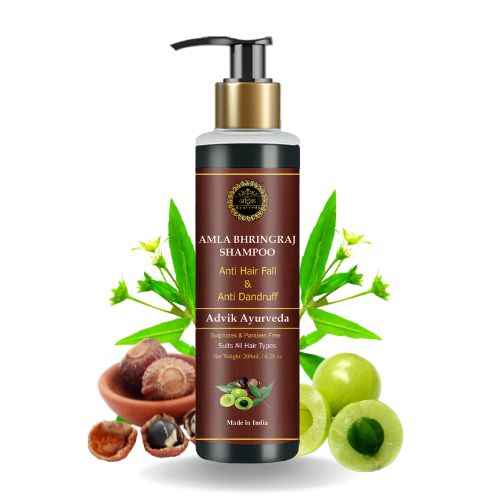
III. Amla Bhringraj Shampoo for Hair Fall and Dandruff
This natural shampoo combines the benefits of amla and bhringraj to address hair fall and dandruff issues. Amla’s vitamin C content nourishes the scalp and promotes hair health, while bhringraj strengthens hair follicles and reduces hair fall.
Using a sulfate-free and natural shampoo like this maintains the health of your hair and scalp, reducing the factors that contribute to whitening of hair.
Recommended Product
IV. Almond Oil – Cold Processed Oil For Skin & Hair
Cold-processed almond oil is a versatile product that can be used for both skin and hair. It is rich in vitamins and essential fatty acids that nourish the hair and scalp, adding shine and reducing dryness. Regular application of almond oil can also promote hair health and potentially slow down the graying process.
Recommended Product

V. Rosemary Oil for Hair Thickness and Growth
Rosemary oil is known for its ability to improve hair thickness and stimulate hair growth. Massaging your scalp with rosemary oil enhances blood circulation, ensuring that hair follicles receive adequate nutrients. This natural oil maintains the health and color of your hair.
Recommended Product
VI. Onion Hair Oil for Hair Fall Control & Hair Regrowth
Onion hair oil is gaining popularity for its effectiveness in controlling hair fall and promoting hair regrowth. It contains sulfur, which is essential for the production of collagen, an important component of hair. Regular use of onion hair oil strengthen your hair, reduce hair fall, and potentially slow down the appearance of white hair.
Incorporating these natural hair care products into your routine can provide effective solutions for maintaining the vibrancy and longevity of your natural hair color while promoting overall hair health. Remember that consistency and patience are the key when using natural remedies, as results may take time to become noticeable.
Recommended Product
White Hair Solution: Embracing the Journey
White hair is a natural part of life’s journey, and how you choose to deal with it is a personal decision. Whether you decide to embrace your silver strands or opt for a color solution, the key is to prioritize the health and well-being of your hair.
Navigating the Concern of White Hair with Confidence
Understanding the causes of white hair, adopting preventive measures, and exploring effective remedies enables you to navigate the world of white hair with confidence. While you cannot completely eliminate white hair, you can certainly take steps to slow down its progression and maintain the natural color you desire. Embrace the journey, and remember that your hair, in all its shades, is a reflection of your unique story.
Frequently Asked Questions (FAQs)
Q1: How to get rid of white hair?
A1: Unfortunately, there is no permanent way to get rid of white hair. It is usually caused by a lack of melanin pigment, and it’s a natural part of aging. You can, however, use hair dyes or color treatments to cover or mask the white strands of hair temporarily.
Q2: Can white hair turn black again naturally in just 2 minutes?
A2: No, white hair cannot turn black naturally in just 2 minutes. Hair color change is a gradual process and usually requires the use of hair dyes or treatments to restore color. Be cautious of any products or claims promising instant results, as they may not be effective or safe.
Q3: Why do I have white hair at 15 years old?
A3: White hair at a young age, such as 15, can be attributed to various factors, including genetics, stress, nutritional deficiencies, or certain medical conditions. It’s essential to consult a healthcare professional to determine the underlying cause and explore appropriate solutions.
Q4: How to get rid of white hair at a young age?
A4: To address white hair at a young age, focus on maintaining a healthy lifestyle, managing stress, and ensuring a balanced diet with adequate vitamins and minerals. While you can’t eliminate gray hair completely, these measures can slow down its progression.
Q5: How to remove white hair naturally?
A5: Removing white hair naturally is challenging, but you can try using natural ingredients like henna, amla, or black tea to darken your hair temporarily. These methods provide color but do not permanently remove white or gray hair.
Q6: How to reduce white hair naturally?
A6: Reducing white hair naturally involves maintaining a balanced diet, managing stress, and using natural remedies like curry leaves, coconut oil, or amla to promote hair health. While these methods may slow down the graying process, they won’t eliminate white or gray hair.
Q7: How to remove white hair permanently?
A7: Permanently removing white hair typically requires professional hair color treatments or dyeing. Consult a hairstylist or salon expert for guidance on selecting the right product and technique for your needs.
Q8: How to stop white hair naturally?
A8: You cannot entirely stop white hair naturally, but you can slow down its progression by adopting a healthy lifestyle, managing stress, and ensuring proper nutrition. Maintaining good hair care practices also help.
Q9: How to turn white hair into black hair?
A9: Turning white hair into black hair usually involves using hair dyes or color treatments. These products can restore color to your hair, but the effect is temporary and requires regular upkeep.
Q10: How to prevent white hair from spreading?
A10: To prevent white hair from spreading, follow a healthy lifestyle, reduce stress, and use appropriate hair care products. Additionally, consult a dermatologist or trichologist for personalized advice on managing your specific condition.
Q11: Which vitamin deficiency causes white hair?
A11: Vitamin B12 deficiency is one of the factors that can contribute to premature graying of hair, including white hair. Ensuring an adequate intake of essential vitamins and minerals through a balanced diet can maintain healthy hair color.
Q12: Why do kids get white hair?
A12: White hair in kids can be due to various reasons, including genetics, nutritional deficiencies, or medical conditions. If you notice this in a child, it’s advisable to consult a pediatrician or dermatologist for a proper evaluation and guidance on managing the issue.
Q13: Why does white hair appear at a young age?
A13: White hair at a young age can result from genetic predisposition, stress, hormonal changes, or medical conditions affecting melanin production. It’s essential to determine the underlying cause to address the issue effectively.
FAQs on Problem of White Hair Men Suffer From
Q1: Why do men get white hair?
A1: White hair in men, like in women, is primarily caused by a reduction in melanin production, which is a natural part of the aging process. Genetics also play a significant role in determining when and how much white or gray hair a man develops.
Q2: Can problem of white hair men suffer be reversed naturally?
A2: Problem of white hair men suffer cannot be reversed naturally. It is a permanent change, and while you can use hair dyes or color treatments to cover it up temporarily, there is no natural method to turn white hair back to its original color.
Q3: How can problem of white hair men suffer be managed for a natural appearance?
A3: Men can manage the appearance of white hair by embracing it, using hair dyes or color treatments if they prefer to maintain their original color, or opting for hairstyles that complement the changed hair color, such as shorter cuts or stylish gray hair looks.
Q4: Are there any lifestyle changes that can slow down problem of white hair men suffer?
A4: Leading a healthy lifestyle that includes a balanced diet, regular exercise, and stress management can potentially slow down the graying process in men. However, it won’t stop or reverse white or gray hair entirely, as it’s a natural part of aging.
Q5: How can the problem of white hair men face prevented from spreading or worsening?
A5: To prevent the problem of spreading or worsening of white hair men face, they can take steps to reduce stress, ensure a proper intake of essential vitamins and minerals, and use hair care products designed for their specific needs. Consulting with a dermatologist or hairstylist for personalized advice is also beneficial.
FAQs on Black White Hair
Q1: What does “black white hair” refer to?
A1: “Black white hair” is a term that may refer to a condition where an individual has both black and white or gray hair on their scalp. This is a common occurrence as people age and experience a mix of pigmented and non-pigmented hair.
Q2: Why do some people have a mix of black and white hair?
A2: The presence of both black and white hair is a result of the natural aging process. As people get older, their hair follicles produce less melanin, leading to a loss of pigment and the emergence of white or gray hair alongside their original black hair.
Q3: Can you reverse or change “black white hair” naturally?
A3: “Black white hair” cannot be reversed or changed naturally. It is a consequence of aging and genetics. While hair dyes and color treatments can be used to mask the white or gray hair and restore a consistent black color, there is no natural method to reverse this process.
Q4: How can one manage the appearance of “black white hair”?
A4: Managing “black white hair” involves personal preference. Some individuals choose to embrace the natural transition to white or gray hair, while others opt to use hair dyes or color treatments to maintain a consistent black color. Hairstyles that blend the two colors or accentuate the contrast can also be chosen based on personal style.
Q5: Are there any lifestyle changes that can slow down the appearance of “black white hair”?
A5: Leading a healthy lifestyle, including a balanced diet, regular exercise, and stress management, may potentially slow down the graying process. However, it won’t stop or reverse “black white hair” entirely, as it is primarily determined by genetics and aging.
Q6: Can “black white hair” be prevented from spreading?
A6: “Black white hair” cannot be prevented from spreading because it is a natural part of the aging process. However, maintaining good hair care practices and a healthy lifestyle can keep the hair in optimal condition and appearance as it undergoes this transition.
FAQs on Grey Hair
How can I prevent grey hair from appearing?
Grey hair is primarily a result of genetics and aging, so it can be challenging to completely prevent. However, maintaining a healthy lifestyle, managing stress, and following a balanced diet can help delay its onset.
Are there any natural ways to stop or reverse grey hair?
There’s no scientifically proven method to reverse grey hair naturally. Some people suggest applying natural remedies like coconut oil and amla (Indian gooseberry) oil, but their effectiveness is anecdotal.
Why do men tend to get grey hair earlier than women?
Men often experience grey hair earlier than women due to genetic factors and hormonal differences. Testosterone can contribute to the premature greying of hair in men.
Is it common to have grey hair at a young age?
While grey hair is more common with age, some people do experience premature greying, which can happen in their late teens, twenties, or thirties. It can be influenced by genetics, stress, and other factors.
How can I manage or cover grey hair at a young age?
You can manage grey hair through various methods like using hair dyes, henna, or natural colorants. Consulting with a hairstylist or dermatologist can help you choose the best option for your needs.
Does stress cause grey hair?
There’s no definitive scientific evidence proving that stress directly causes grey hair. However, chronic stress may contribute to hair loss and exacerbate existing grey hair.
Are there any dietary changes that can help prevent grey hair?
A balanced diet rich in vitamins and minerals like B vitamins, zinc, and copper may support healthy hair. Consuming foods like leafy greens, nuts, and lean proteins can be beneficial.
Can I use over-the-counter products to prevent grey hair?
There are supplements and shampoos on the market that claim to prevent or reverse grey hair, but their efficacy is often unproven. Consult with a healthcare professional before trying such products.
Are there any medical treatments for grey hair?
Medical treatments like topical minoxidil and certain laser therapies may help manage hair loss but won’t reverse grey hair. Consult with a dermatologist for personalized recommendations.
Is there a way to embrace grey hair gracefully?
Absolutely! Many people choose to embrace their grey hair as a natural part of aging. You can maintain healthy, well-groomed grey hair and feel confident in your appearance.
FAQs on Reason for White Hair
Q1: What is the reason for white hair?
A1: The primary reason for white hair is the natural aging process. As we age, our hair follicles gradually produce less melanin, the pigment responsible for hair color. This reduction in melanin results in the emergence of white or gray hair. However, there are various other factors that can contribute to white hair at a younger age, such as genetics, nutritional deficiencies, oxidative stress, smoking, and certain medical conditions.
Q2: Can genetics be a reason for white hair?
A2: Yes, genetics can be a significant reason for white hair. If your parents or grandparents experienced premature graying, you are more likely to develop the same at a similar age. Genes play a crucial role in determining when and how your hair loses its color.
Q3: How do nutritional deficiencies contribute to or become a reason for white hair?
A3: Nutritional deficiencies, particularly in vitamins like B12 and D, copper, and iron, can contribute to or become a reason for white or gray hair. These nutrients are essential for the production of melanin, and a lack of them can lead to premature graying. Maintaining a balanced diet rich in these nutrients can prevent white or gray hair.
Q4: What role does oxidative stress play in causing white hair?
A4: Oxidative stress occurs when there is an imbalance between free radicals and antioxidants in the body. This imbalance can accelerate the aging process, including the graying of hair. Oxidative stress damages melanocytes, the cells responsible for producing melanin, resulting in a decrease in hair pigment and the appearance of white or gray hair.
Q5: Is smoking a reason for white hair?
A5: Yes, smoking can be a contributing factor or a reason for white hair. Smoking introduces harmful toxins into the body, which can lead to oxidative stress and damage to melanocytes. This damage can accelerate the development of white or gray hair, particularly in individuals who smoke regularly.
Q6: Are there any medical conditions the reason for white hair?
A6: Yes, certain medical conditions are the reason for white hair to develop at a young age. Conditions like thyroid disorders, vitiligo, alopecia areata, and Werner syndrome can impact melanin production and lead to premature graying. If you suspect a medical condition is causing your white hair, it’s essential to consult a healthcare professional for diagnosis and appropriate management.
Leave a Reply