
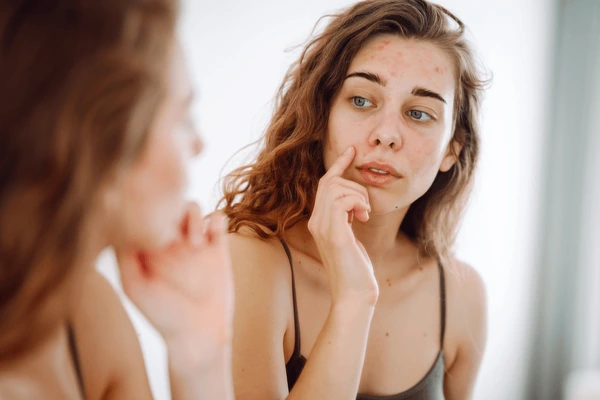
Where Mind Meets Skin
The human body works as a deeply interconnected system in which the mind and skin continuously influence each other. In Ayurveda, this relationship holds great importance because external appearance is seen as a reflection of internal balance.
Today’s fast-paced lifestyle, however, has made stress a common experience. As a result, its effects are no longer limited to mental health alone. Instead, stress often appears externally through skin concerns such as acne, dullness, and inflammation.
For students planning a career in Ayurveda, understanding this connection is essential. Not only does it strengthen academic knowledge, but it also builds the foundation for holistic healing practices.
Understanding Skin in Ayurveda
In Ayurveda, skin is referred to as Twacha, and it represents internal health. Unlike modern approaches that focus mainly on external treatment, Ayurveda emphasizes correcting internal imbalances first.
Role of Doshas in Skin Health
The body is governed by three doshas: Vata, Pitta, and Kapha. Each dosha plays a specific role in maintaining balance.
- Vata controls movement and dryness
- Pitta regulates heat and metabolism
- Kapha provides structure and hydration
When these doshas remain balanced, the skin appears clear and healthy. However, when imbalance occurs, various skin issues begin to develop.
Skin Types Based on Dosha
Different dosha combinations result in different skin types. For instance, Vata skin tends to be dry and sensitive, whereas Pitta skin is more prone to redness and acne. Kapha skin, on the other hand, is generally oily and susceptible to clogged pores.
Because stress disturbs internal balance, it mainly aggravates Pitta and Vata. Consequently, this imbalance increases the chances of acne and irritation.
What is Stress in Ayurveda
In Ayurveda, stress is understood as an imbalance between mental and physical energies. Therefore, it is not viewed as only a psychological issue but as a condition that affects the entire body.
The Three Gunas of the Mind
Ayurveda explains mental functioning through three qualities known as Gunas.
- Sattva represents clarity and calmness
- Rajas reflects activity and restlessness
- Tamas indicates heaviness and inertia
During stressful situations, Rajas tends to increase, leading to anxiety and overthinking. At the same time, Tamas may rise, causing fatigue and lack of motivation. As a result, this imbalance begins to affect digestion, hormones, and eventually skin health.
How Stress Causes Acne in Ayurveda
Stress affects multiple systems simultaneously. Therefore, acne is not seen as an isolated condition but as a result of internal disturbance.
Stress and Pitta Aggravation
When stress increases, internal heat in the body also rises. Consequently, Pitta dosha becomes aggravated. This leads to excess oil production, skin sensitivity, and inflammation.
As a result, acne appears in the form of red, painful breakouts, especially in individuals with Pitta-dominant skin.
Impact on Digestive Fire (Agni)
Digestion plays a central role in Ayurveda. When stress interferes with Agni, the digestive process becomes weak or irregular.
Because of improper digestion, toxins known as Ama begin to form. Over time, these toxins circulate in the body and start affecting the skin.
Effect of Ama on Skin
Ama contributes to several skin issues. For example, it blocks pores and reduces skin clarity. In addition, it leads to dullness and recurring acne.
Therefore, maintaining strong digestion is essential for healthy skin.
Hormonal Imbalance and Stress
Stress also affects the body’s internal regulatory mechanisms. As stress levels rise, hormonal balance gets disturbed.
Consequently, the skin produces excess oil, and breakouts become more frequent. In many cases, existing acne also worsens due to this imbalance.
Thus, Ayurveda connects hormonal issues with dosha disturbance rather than treating them separately.
Effect on Blood Purity (Rakta Dhatu)
Rakta Dhatu, or blood tissue, plays a vital role in skin health. When stress increases internal heat, it affects the purity of blood.
As a result, toxins accumulate, leading to inflammation and acne. Moreover, skin may appear irritated and sensitive.
Therefore, maintaining blood purity is essential for achieving clear and healthy skin.
Sleep Disturbance and Skin Health
Sleep is considered one of the pillars of health in Ayurveda. However, stress often disrupts sleep patterns.
Because of poor sleep, the body’s natural repair process slows down. In addition, inflammation increases, which further worsens acne.
This creates a cycle where stress affects sleep, and poor sleep, in turn, damages skin health.
Types of Stress-Induced Acne
Different dosha imbalances result in different types of acne. Therefore, identifying the type is important for effective treatment.
Pitta-Type Acne
This type includes red, inflamed, and painful pimples. It is commonly associated with high stress levels and increased heat in the body.
Kapha-Type Acne
Kapha-related acne appears as oily skin with whiteheads and blackheads. It is usually linked to clogged pores and excess oil.
Vata-Type Acne
Vata acne is characterized by dry skin, small breakouts, and slow healing. It often leaves behind dark spots.
Among these, stress-induced acne is most commonly related to Pitta imbalance.
Modern Science and Ayurvedic Perspective
Modern research increasingly supports the Ayurvedic understanding of stress and skin health. For example, increased stress hormones lead to inflammation and oil production.
Similarly, Ayurveda explains this as Pitta aggravation and toxin buildup. Therefore, both systems highlight the same root causes, even though their approaches differ.
Importance for Ayurveda Career Aspirants
For students aiming to build a career in Ayurveda, understanding the mind–skin connection is highly valuable. It not only enhances clinical knowledge but also improves treatment effectiveness.
Career Opportunities in Ayurveda
Students trained in Ayurveda can explore various career paths. For instance, they can become Ayurvedic doctors, skincare specialists, or wellness consultants.
In addition, opportunities exist in research, herbal product development, and Panchakarma therapy.
As awareness of natural healing grows, the demand for skilled Ayurvedic professionals continues to increase.
Rising Demand for Holistic Healing
In recent years, people have started shifting toward natural and sustainable healthcare solutions. Therefore, Ayurveda is gaining global attention.
Moreover, individuals are now looking for treatments that address root causes rather than temporary relief. As a result, professionals with knowledge of holistic healing are in high demand.
Real-Life Insight
Consider a student facing academic pressure. Initially, stress increases internal heat and disturbs digestion. Gradually, irregular eating habits and poor sleep worsen the condition.
As a result, acne begins to appear, along with dull and irritated skin. However, Ayurveda approaches this situation differently. Instead of treating only the symptoms, it focuses on balancing stress, improving digestion, and restoring overall health.
Key Takeaways
Skin health reflects internal balance and overall well-being.
Stress aggravates doshas, especially Pitta and Vata.
Weak digestion leads to toxin accumulation in the body.
Impure blood contributes to acne and inflammation.
Proper sleep and mental balance are essential for clear skin.
Ayurvedic Treatment Approach for Stress-Induced Acne
Ayurveda focuses on eliminating the root cause instead of suppressing symptoms. Therefore, the treatment of stress-induced acne involves balancing doshas, improving digestion, and calming the mind. In addition, a structured lifestyle plays a crucial role in long-term healing.
Moreover, this holistic approach ensures that acne does not return frequently, making it more effective than temporary solutions.
Dosha Balancing for Clear and Healthy Skin
Balancing doshas is the first and most important step in Ayurvedic treatment. Since stress mainly aggravates Pitta and Kapha, managing these doshas becomes essential.
Managing Pitta Imbalance
To begin with, reducing internal heat helps control inflammation and redness.
- Include cooling foods in your diet
- Avoid spicy, fried, and acidic items
- Practice relaxation techniques regularly
- Spend time in calm and natural environments
As a result, skin becomes less sensitive and acne gradually reduces.
Controlling Kapha Imbalance
On the other hand, Kapha imbalance leads to oiliness and clogged pores. Therefore, managing it requires a lighter lifestyle.
- Reduce heavy and oily food intake
- Keep skin clean and detoxified
- Stay physically active
Consequently, excess oil production decreases and pores remain unclogged.
Supporting Vata Balance
Although Vata is not the primary cause, it still plays a role in skin dryness and healing. Hence, maintaining balance is important.
- Follow a consistent daily routine
- Eat warm and nourishing meals
- Ensure proper rest and relaxation
This, in turn, supports faster skin recovery and overall balance.
Detoxification with Panchakarma
Panchakarma is a specialized Ayurvedic detox therapy designed to remove toxins from the body. In many cases, it is highly effective for chronic acne conditions.
Furthermore, detoxification improves internal functioning and enhances skin clarity.
Key Therapies for Skin Health
- Vamana helps eliminate excess Kapha from the body
- Virechana is particularly useful for reducing Pitta-related acne
- Raktamokshana supports blood purification
However, these therapies should always be performed under expert supervision, highlighting the importance of trained Ayurvedic professionals.
Role of Diet in Acne Management
Diet directly influences digestion and skin health. Therefore, choosing the right foods becomes essential for managing acne naturally.
Foods That Support Clear Skin
- Fresh fruits like pomegranate and apple
- Leafy green vegetables
- Light and easily digestible meals
- Herbal teas and warm water
In addition, these foods help maintain strong digestion and prevent toxin buildup.
Foods to Avoid for Better Skin
At the same time, certain foods can worsen acne and should be limited.
- Spicy and fried foods
- Processed and packaged items
- Excess sugar and dairy
- Caffeinated beverages
By avoiding these, the body maintains better internal balance and reduces the chances of breakouts.
Ayurvedic Herbs for Stress and Acne
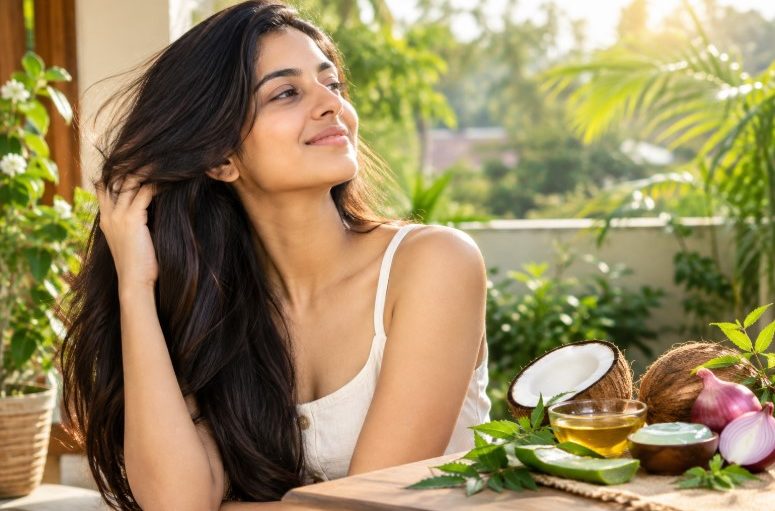
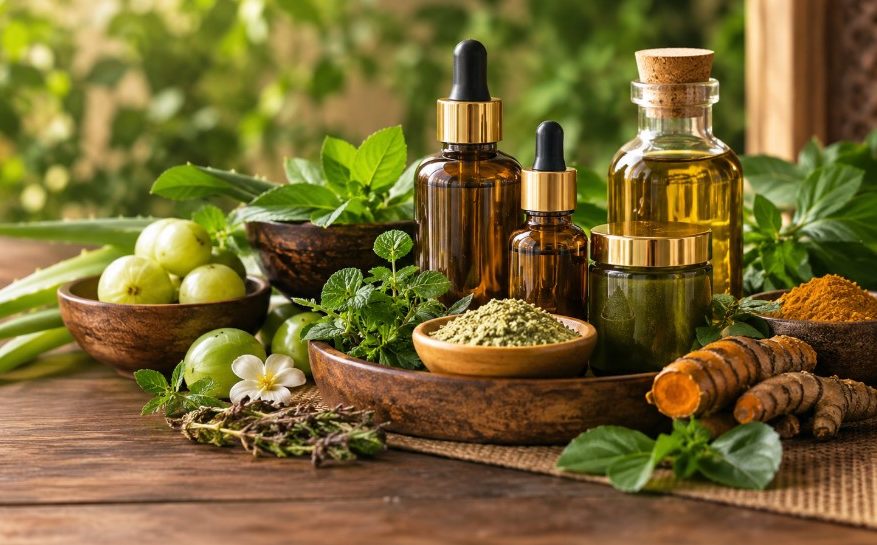
Herbs play a vital role in restoring balance and improving skin health. They work internally as well as externally for long-term benefits.
Commonly Used Herbs
- Neem supports blood purification and reduces acne
- Turmeric helps control inflammation and improves complexion
- Ashwagandha reduces stress and supports hormonal balance
- Aloe vera soothes and heals the skin
Additionally, these herbs are widely used in Ayurvedic formulations and skincare routines.
Importance of Daily Routine (Dinacharya)
A disciplined daily routine is essential for maintaining both mental and physical health. Ayurveda emphasizes Dinacharya as a preventive approach to disease.
Healthy Daily Practices
- Wake up early and maintain a fixed schedule
- Cleanse the skin using natural products
- Practice yoga and breathing exercises
- Stay hydrated throughout the day
- Eat meals at regular intervals
As a result, the body remains balanced, and skin health improves naturally.
Role of Yoga and Meditation in Skin Health
Mental calmness directly affects skin clarity. Therefore, incorporating yoga and meditation into daily life is highly beneficial.
Benefits for Skin and Mind
- Reduces stress and anxiety levels
- Improves blood circulation
- Enhances oxygen supply to skin cells
- Promotes a natural glow
Moreover, regular practice helps maintain long-term emotional and physical balance.
Importance of Sleep for Skin Repair
Sleep is essential for the body’s healing and rejuvenation processes. However, stress often disrupts sleep quality.
Tips for Better Sleep
- Maintain a consistent sleep schedule
- Avoid screen exposure before bedtime
- Create a calm and relaxing environment
- Practice deep breathing or meditation
Consequently, good sleep improves skin repair and reduces inflammation.
Natural Skincare Practices in Ayurveda
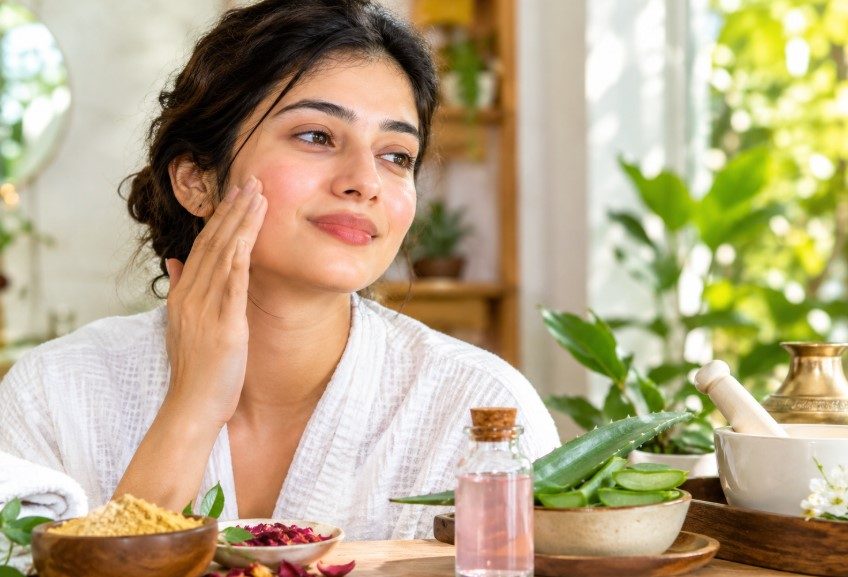
Ayurveda encourages the use of natural ingredients instead of chemical-based products. This approach is gentle and supports long-term skin health.
Simple Home Remedies
- Sandalwood paste helps cool and soothe the skin
- Multani mitti absorbs excess oil
- Rose water hydrates and refreshes the skin
- Herbal face packs improve texture and clarity
In addition, these remedies are safe and suitable for regular use.
Stress Management for Acne Prevention
Since stress is a primary trigger, managing it becomes essential for preventing acne. Ayurveda offers practical and natural solutions for stress control.
Effective Stress Management Techniques
- Practice mindfulness regularly
- Spend time in nature
- Maintain a balanced work-life routine
- Engage in creative or relaxing activities
As a result, mental peace improves, and skin problems gradually reduce.
Career Scope in Ayurvedic Skincare
The demand for Ayurvedic skincare professionals is growing rapidly. Therefore, students entering this field have numerous opportunities.
Career Opportunities
- Ayurvedic Dermatology Specialist
- Wellness Consultant
- Panchakarma Therapist
- Herbal Product Developer
- Clinical Practitioner
In addition, professionals can work in wellness centers, clinics, or start their own practice.
Why Choose Ayurveda as a Career
Choosing Ayurveda as a career offers both professional growth and personal satisfaction. It allows individuals to promote natural healing and improve lives.
Advantages of an Ayurveda Career
- Increasing global demand for holistic healthcare
- Diverse career opportunities
- Focus on preventive and natural treatment
- Opportunity to contribute to community wellness
Moreover, institutions like Bhavyagyan provide the right guidance and platform to build a successful career.
Practical Learning for Students
Students studying Ayurveda gain practical knowledge that can be applied in real-life situations. Understanding the mind–skin connection helps in:
- Identifying root causes of skin issues
- Designing personalized treatment plans
- Educating patients about lifestyle changes
- Promoting preventive healthcare practices
Thus, this knowledge becomes highly valuable in professional practice.
Final Thoughts
Stress-induced acne reflects internal imbalance rather than just a surface-level issue. Therefore, treating it requires a holistic approach.
Ayurveda provides a complete solution by combining diet, lifestyle, detoxification, and mental wellness practices. As a result, individuals can achieve long-lasting skin health naturally.
For students, this knowledge opens the door to a meaningful and impactful career in Ayurveda.
FAQs:
Stress increases Pitta dosha and disturbs digestion. As a result, toxins accumulate in the body and lead to inflammation, which eventually causes acne.
Ayurveda focuses on treating the root cause rather than temporary symptoms. Therefore, with proper diet, lifestyle, and treatment, long-term acne control is possible.
Pitta dosha is primarily responsible for acne due to its heat and inflammatory nature. However, Kapha can also contribute by causing oiliness and clogged pores.
Ama is a toxic substance formed due to improper digestion. When it builds up in the body, it blocks pores and leads to acne and dull skin.
Diet plays a crucial role because it directly affects digestion and toxin formation. Therefore, eating fresh and balanced food helps maintain clear skin.
Yes, herbs like neem, turmeric, and aloe vera help purify blood, reduce inflammation, and support healthy skin naturally.

Leave a Reply